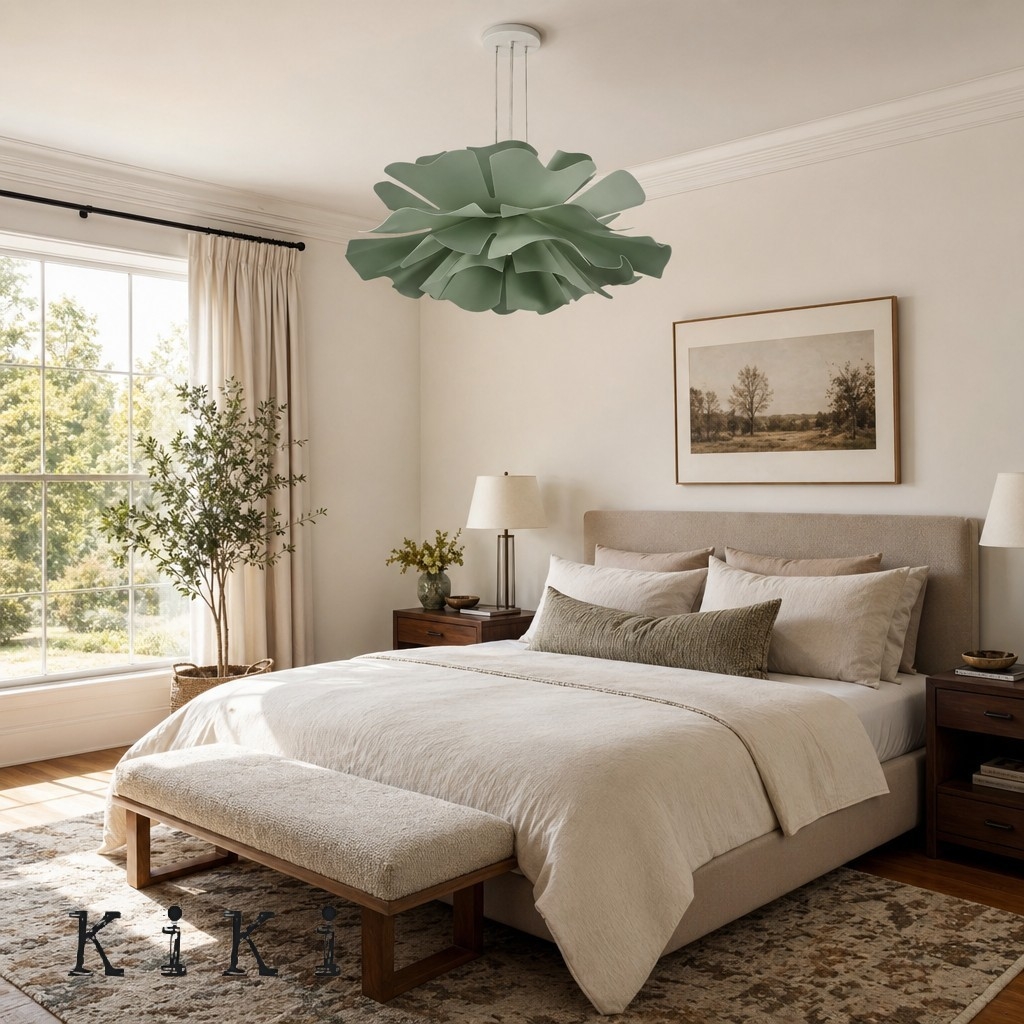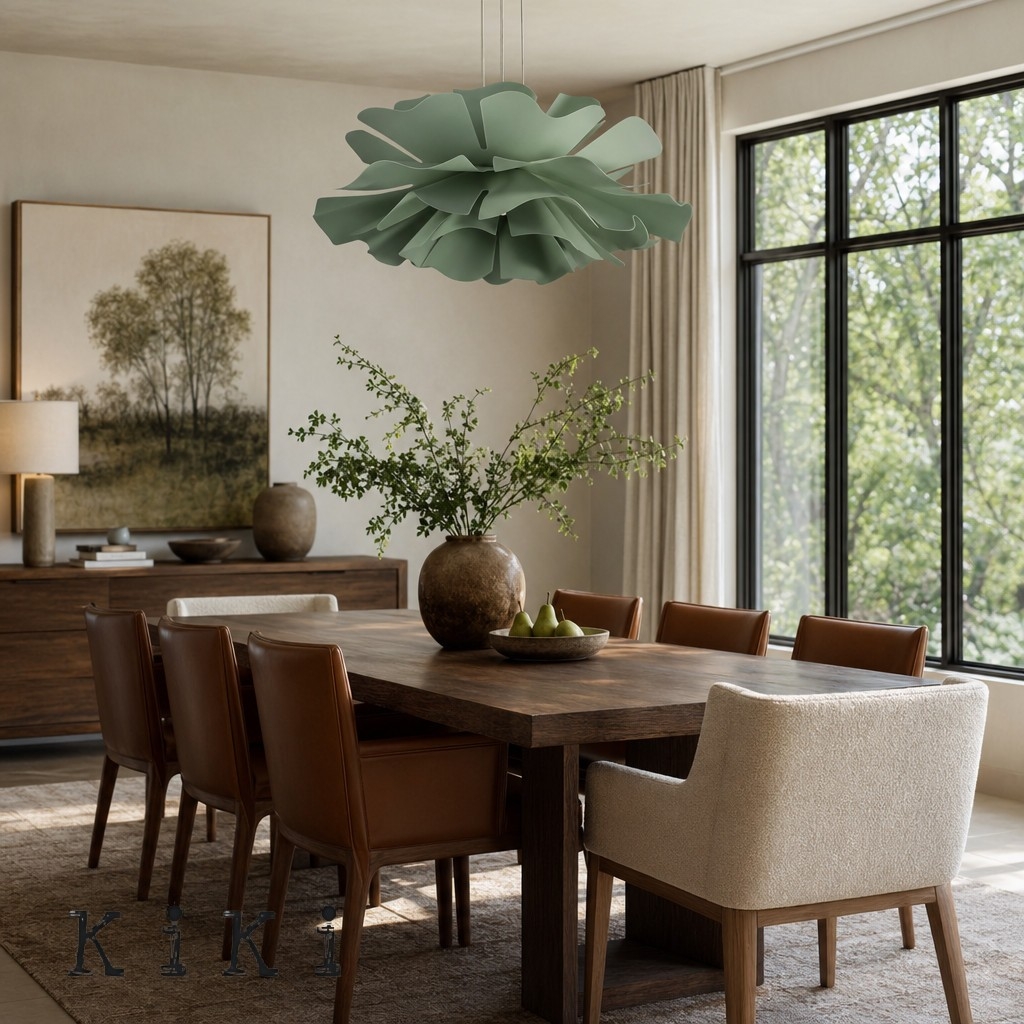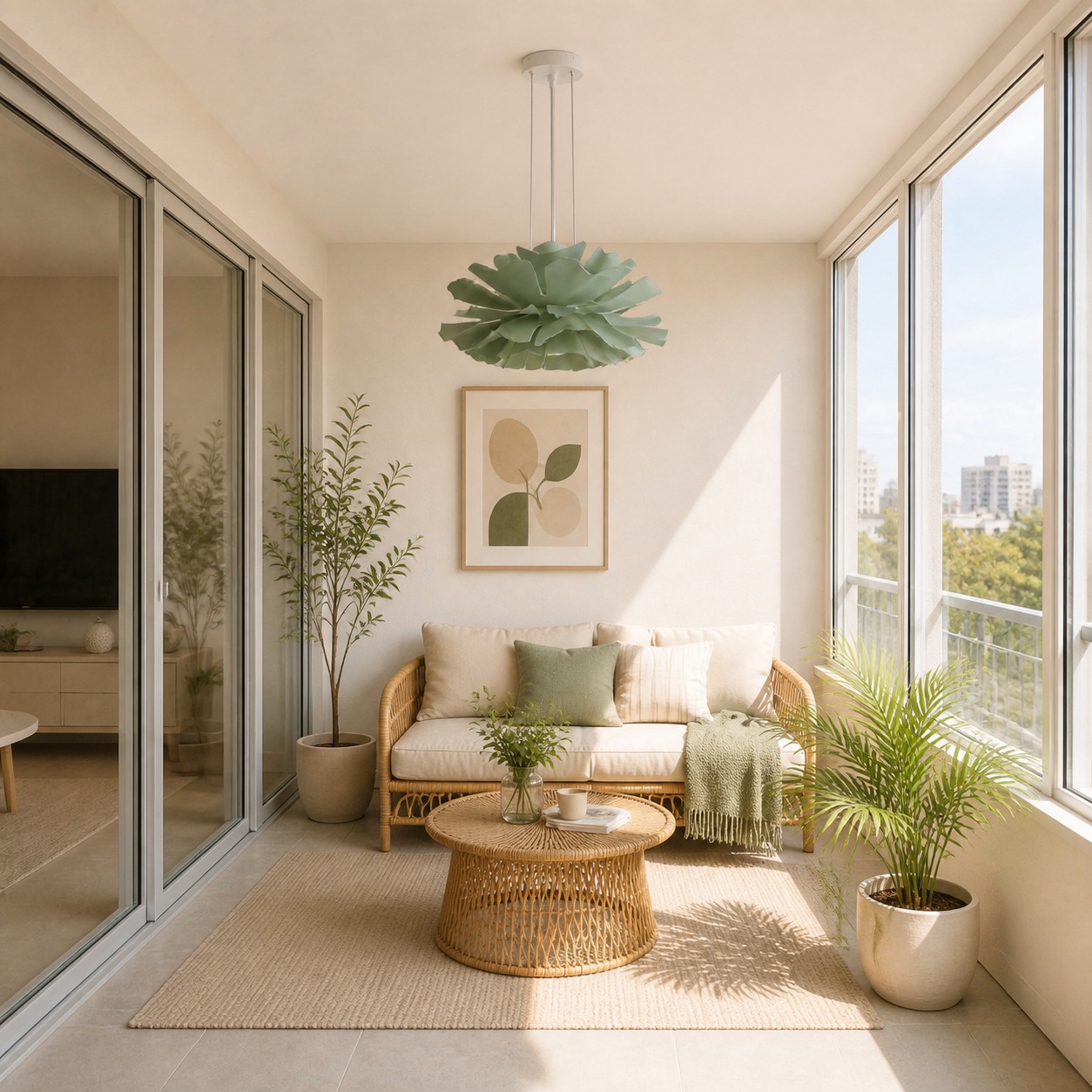
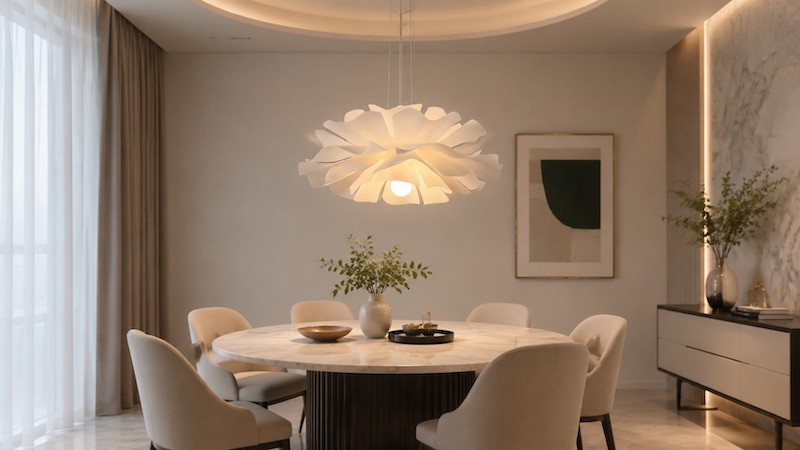
How to Prevent Glare from Multi-Petal Pendant Lights: Anti-Glare Bulb Guide for Floral Pendant Lights
Here is the direct answer: To permanently eliminate glare from a multi-petal pendant light while preserving its aesthetic appeal, you must hide the direct light source. You achieve this by selecting a bulb that is at least 2.5 cm to 3.8 cm shorter than the central "petal core" depth, and by swapping standard clear bulbs for Half-Chrome (Silver Crown) or Frosted LED bulbs. This specific combination forces the light to bounce off the acrylic petals, turning the fixture itself into a giant, soft light diffuser.
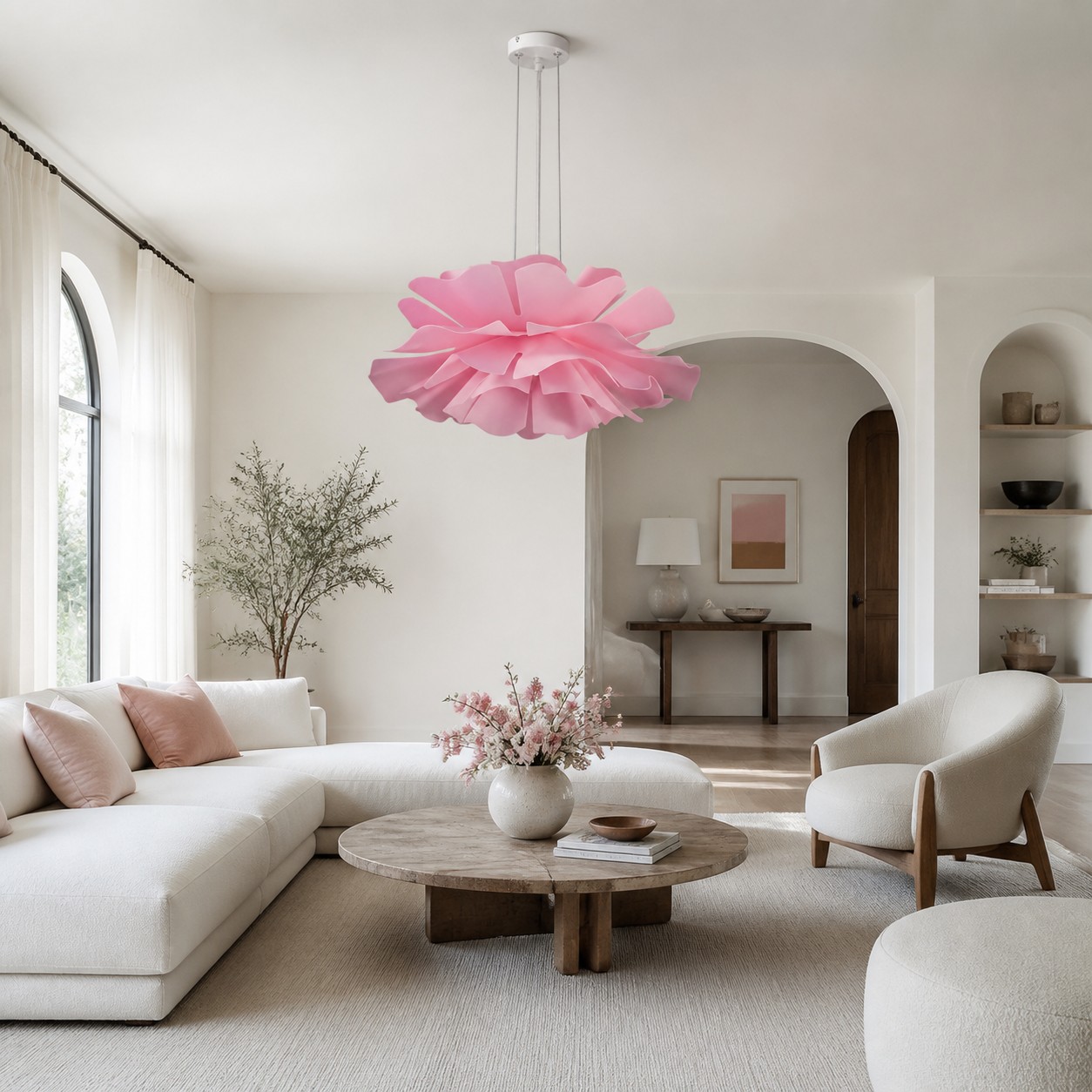
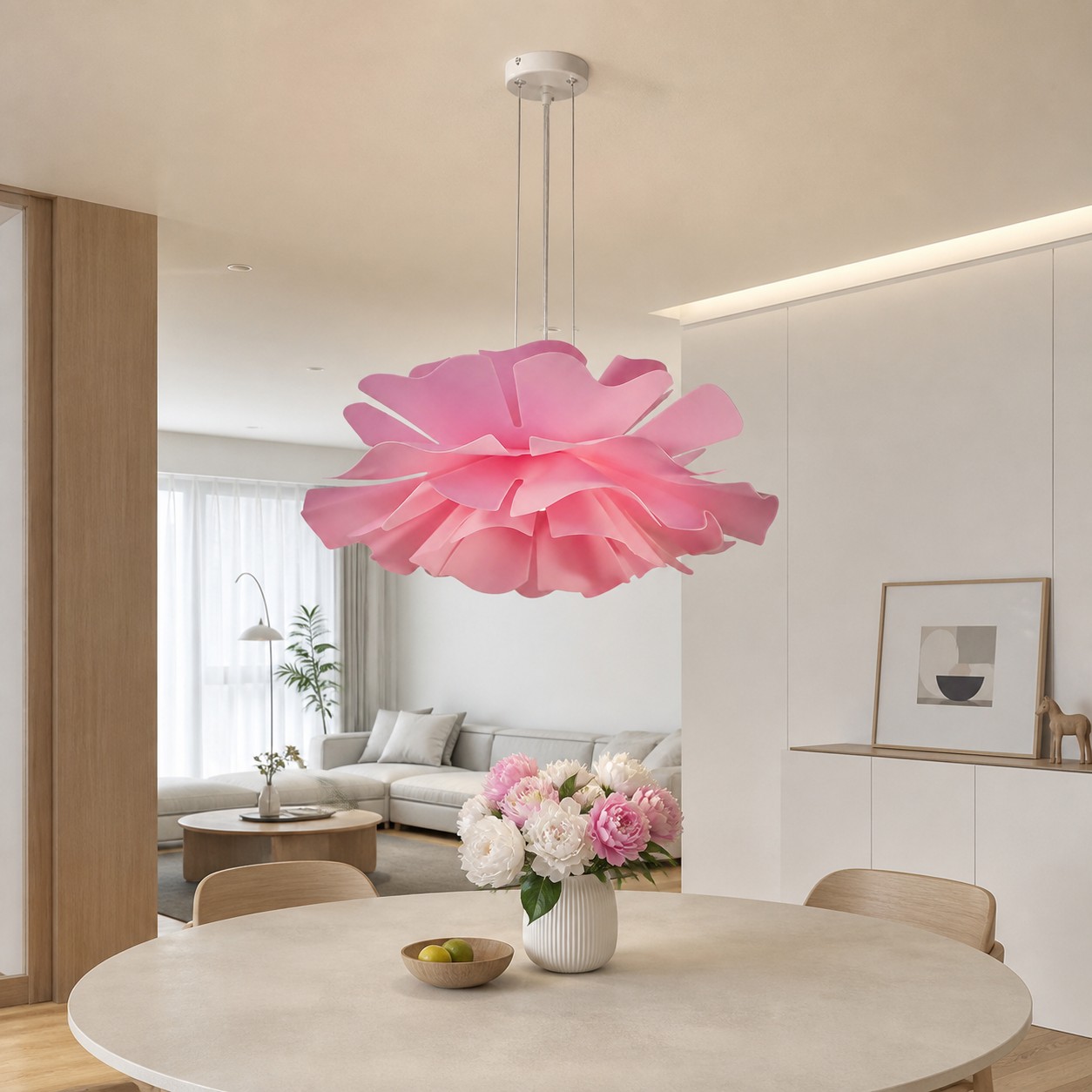
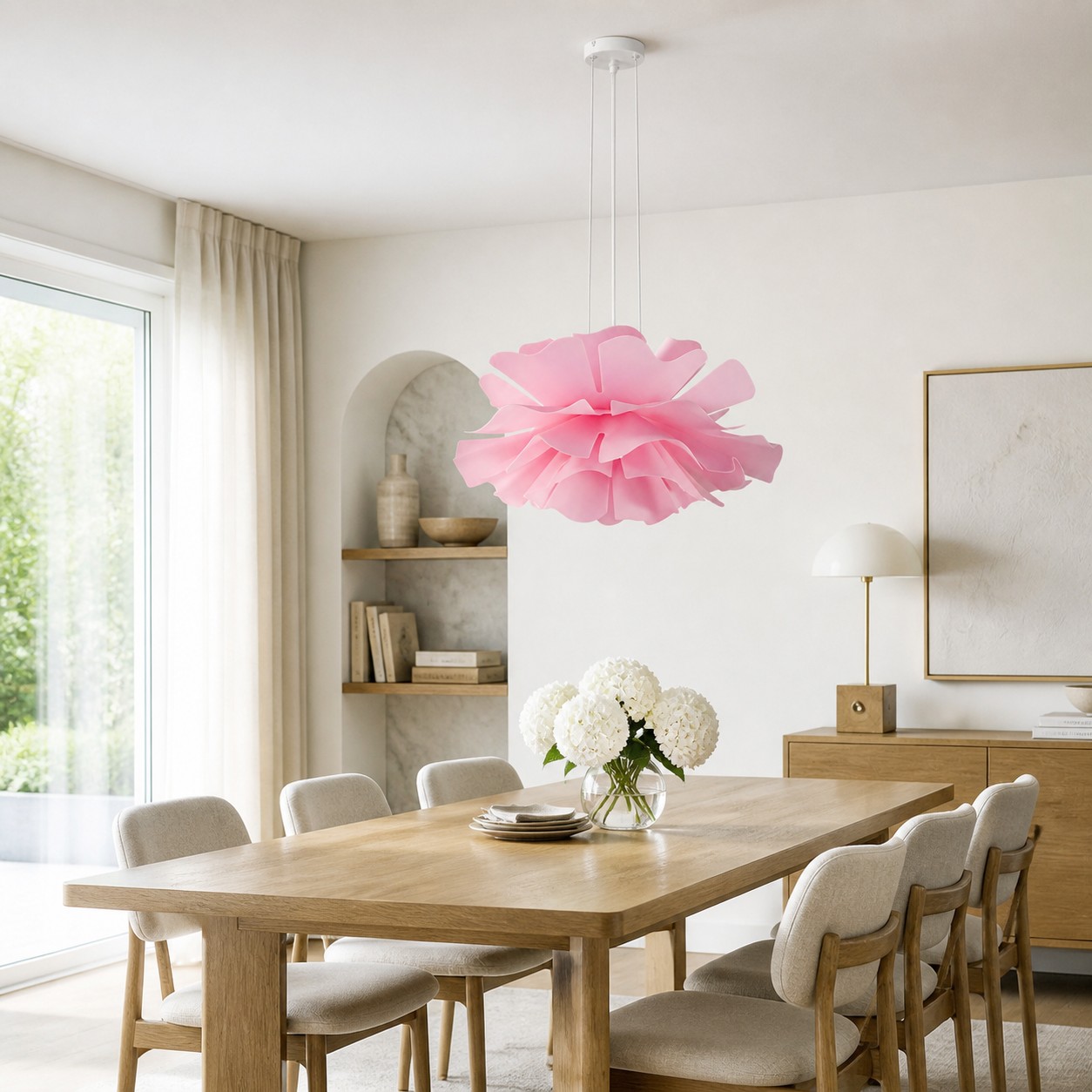
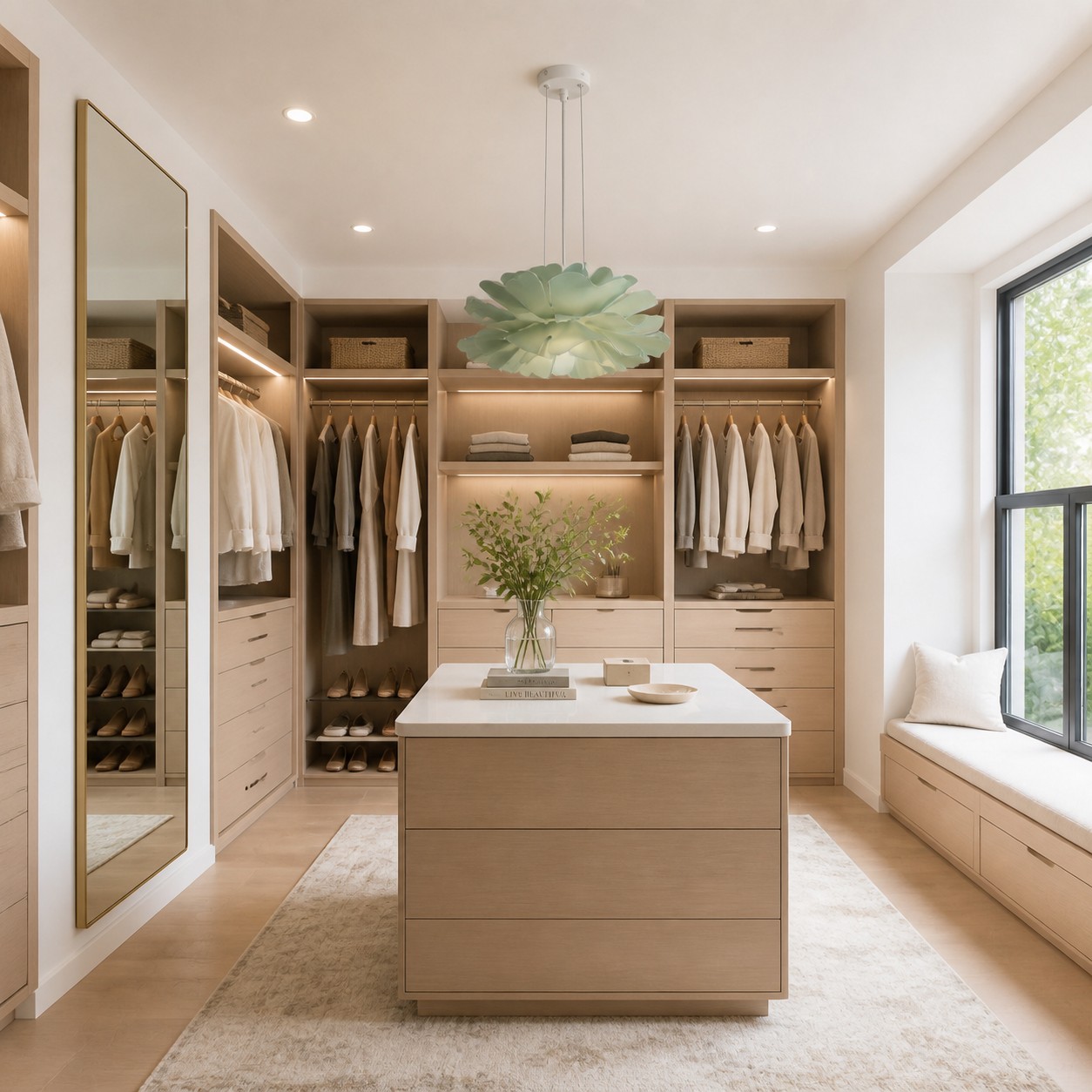
Floral pendant lights are stunning statement pieces. They bring organic elegance, layered textures, and a touch of nature indoors. However, because of their open-petal structures, they are notorious for creating harsh, uninvited glare that can blind your guests across the dining table. You do not have to sacrifice visual comfort for beautiful design.
This guide will walk you through the exact steps to diagnose your glare issue, measure your fixture correctly, and choose the perfect bulb to transform your acrylic floral pendant light into a source of soft, inviting illumination.
Before You Start: Gather Your Fixture Data
Before you run to the hardware store or browse online for new bulbs, you need to know exactly what you are working with. Guessing will only lead to more glare or bulbs that physically do not fit. Grab a tape measure and a notepad, and confirm the following details:
- Space and Usage: Where is the light hanging? (e.g., over a dining table, centered in a living room, or in a high-ceiling foyer). Knowing this determines the angle at which people will look at the light.
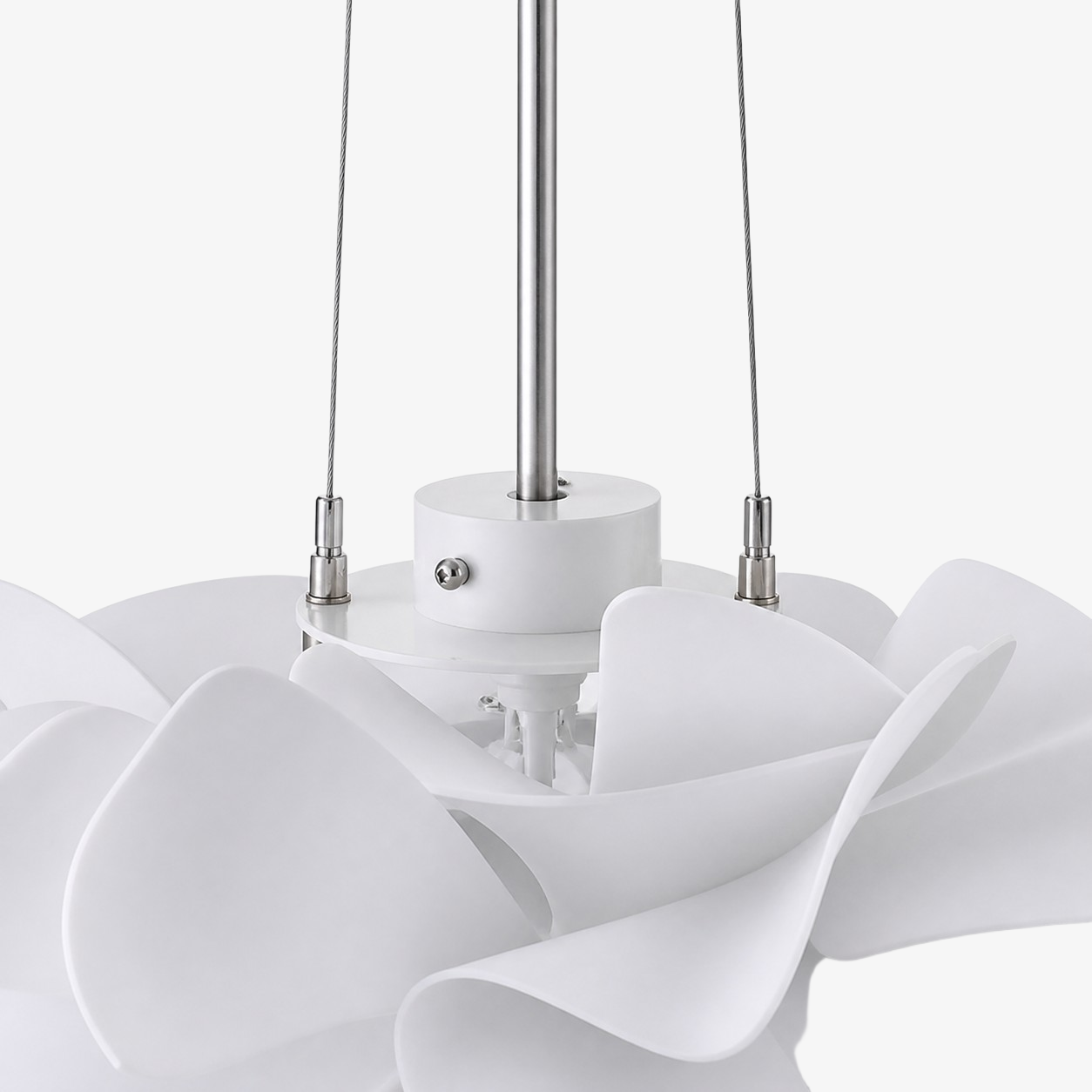
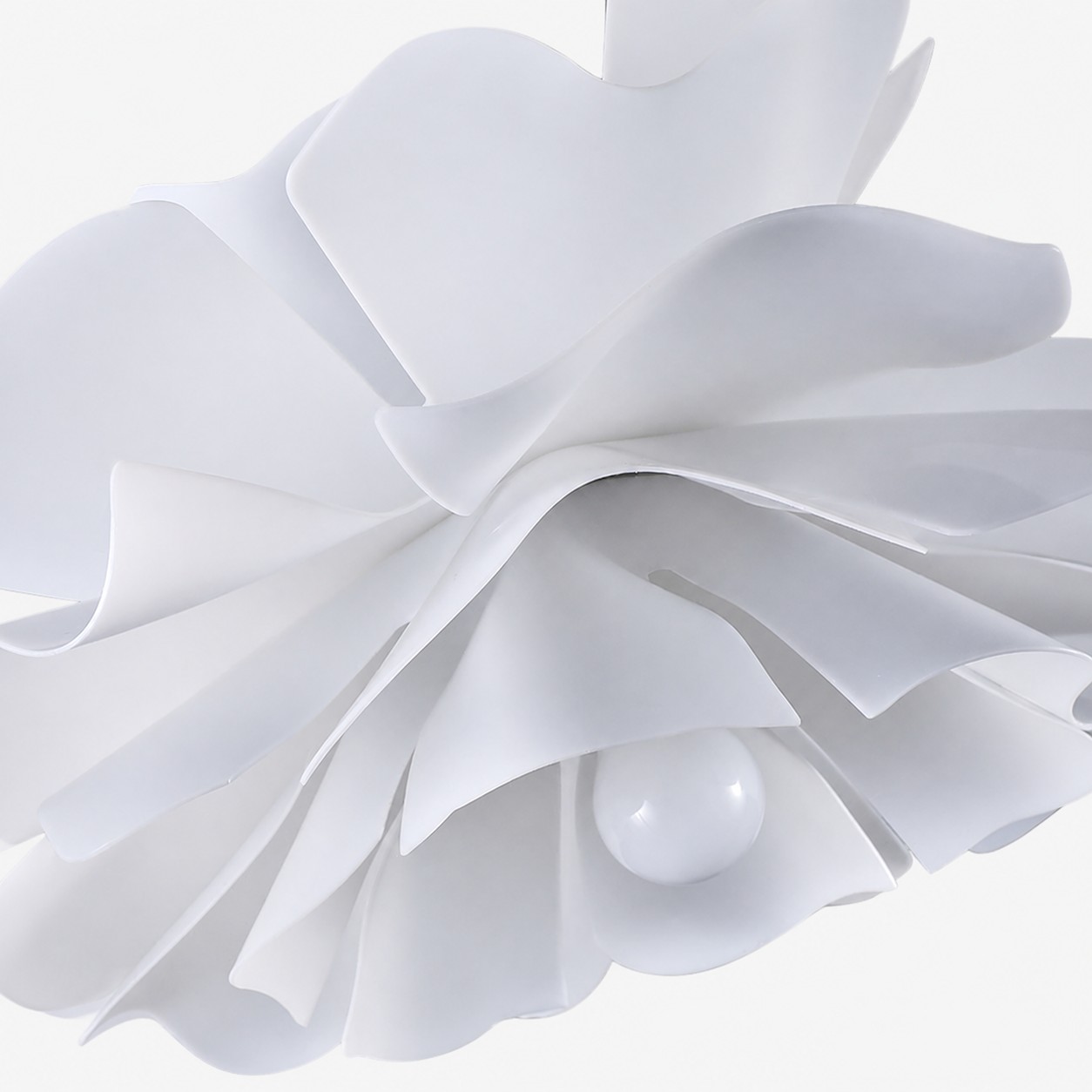
- Petal Core Depth: This is the most crucial measurement. Measure the depth of the central cup or housing where the bulb sits, from the socket base to the edge of the innermost acrylic petals.
- Hardware Specifications: Check the socket type (e.g., E26 standard base, E12 candelabra, or G9 bi-pin).
- Switch Type: Determine if your wall switch is a standard on/off switch or a dimmer switch.
Once you have this data, you are ready to troubleshoot.
Step 1: Identify Your Specific Glare Issue
Not all glare is created equal. To fix the problem, you must first identify how the light is attacking your eyes. Do not just look at the light while standing right under it; you need to perform the Sit-and-Look Test.
Sit down in the exact spots where you and your family spend the most time—the dining chairs, the living room sofa, or the kitchen island stools. Look up at the pendant light from these natural angles.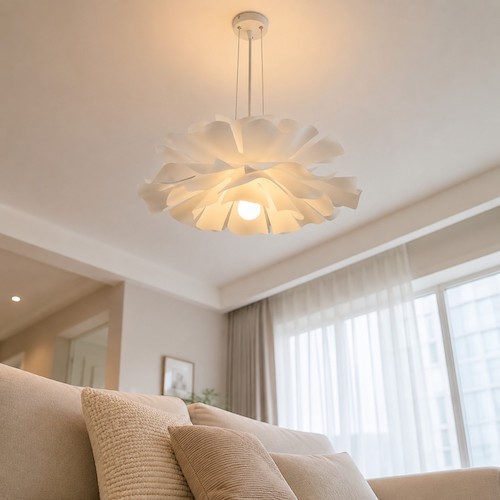
Make your judgment based on these two scenarios:
- Direct Glare (The "Laser Beam" Effect): If you can clearly see the glowing filament or the bright LED diodes inside the bulb from where you are sitting, you are experiencing direct glare. Solution: You need a physical barrier to block the downward light rays, such as a Half-Chrome bulb.
- Ambient Glare (The "Glowing Orb" Effect): If the bulb is hidden deep inside the petals, but the entire fixture is so intensely bright that it makes you squint, you are experiencing ambient glare. Solution: You do not need to block the light; you need to lower the overall lumen output or use heavily frosted glass to diffuse the intensity.
Step 2: Select the Right Anti-Glare Bulb Type and Size
The secret to preventing glare in an open floral fixture lies in bulb geometry and glass treatment. You cannot use a standard clear Edison bulb; the exposed filaments will reflect aggressively off the acrylic petals, multiplying the glare.
The Golden Rule of Bulb Sizing
To prevent the light source from peeking out, the total length of your chosen bulb must be at least 2.5 cm to 3.8 cm shorter than the Petal Core depth you measured earlier. If your central petal cup is 10 cm deep, your bulb must not exceed 6.5 cm to 7.5 cm in length.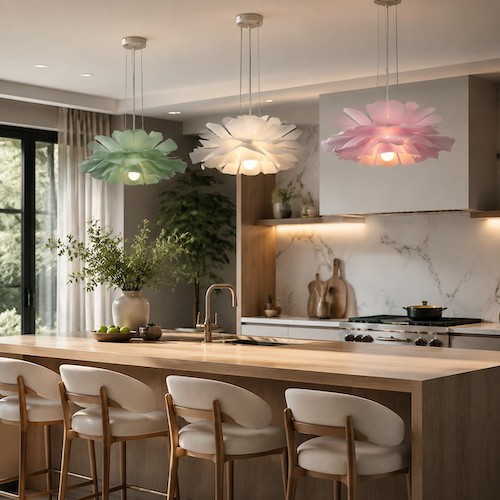
Choosing the Bulb Type
Use the following table to determine exactly which bulb technology will solve your specific problem.
| Bulb Type | How It Works | Best For | Verdict for Floral Pendants |
|---|---|---|---|
| Clear Glass (Edison) | Emits light 360 degrees, exposing the bright inner filament. | Industrial fixtures with heavy metal shades. | Avoid. This is the primary cause of intense glare in open acrylic petal designs. |
| Frosted / Milky Glass | Uses an opaque white coating to scatter light evenly in all directions. | General ambient glare reduction. | Good. Softens the light beautifully, but may still cause mild direct glare if the bulb is visible from below. |
| Half-Chrome / Silver Crown | The bottom half of the bulb is mirrored. It blocks all downward light and reflects it upward. | Direct glare elimination over dining tables and islands. | Best. It pushes all light up into the acrylic petals, forcing the fixture to glow indirectly. |
The Expert Choice: For multi-petal designs, Half-Chrome (Silver Crown) LED bulbs are the ultimate anti-glare weapon. Because the bottom is mirrored, you can look directly up into the fixture without hurting your eyes. The light is shot upward, bounces off the layered acrylic petals, and rains down as a perfectly soft, diffused glow.
Step 3: Match the Light to Acrylic Petal Materials
Multi-petal pendant lights are often crafted from high-quality acrylic. Acrylic is an incredible material for lighting because of its unique optical properties—it is highly transmissive but also acts as a natural diffuser. However, to maximize this effect without causing eye strain, you must select the correct color temperature (Kelvin).
Acrylic tends to look cheap and harsh under cool, blue-toned light. To bring out the elegant, organic feel of a floral design, you must use warmer tones.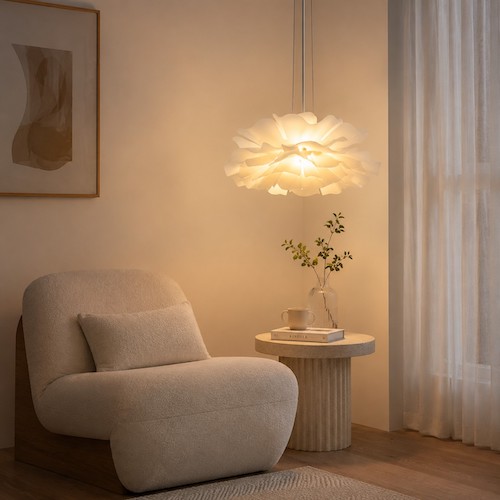
- For Dining Rooms and Living Areas: Strictly select bulbs rated between 2700K and 3000K (Warm White). This temperature range mimics the soft glow of traditional incandescent bulbs or late afternoon sunlight. When 2700K light hits frosted or textured acrylic petals, it warms up the material, making the "flower" look inviting, cozy, and expensive.
- Avoid Anything Above 3500K: Cool white or daylight bulbs (4000K - 6000K) bouncing off acrylic will create a sterile, clinical environment that feels like an office, completely ruining the decorative purpose of a floral fixture. For a deeper dive into room aesthetics, read our full guide here: The Ultimate 2026 Flower pendant light Buying Guide: From Room Sizing to Lumens & Color Temperature.
Step 4: Verify Dimmer and Installation Conditions
Even if you buy the perfect half-chrome, warm-white bulb, your glare problem might persist if you ignore the electrical conditions of your home.
1. The Dimmer Compatibility Check:
One of the most effective ways to manage ambient glare is by installing a dimmer switch. However, you cannot just plug any LED bulb into a dimmable circuit. You must explicitly check the bulb's packaging for the word "Dimmable." If you use a non-dimmable LED bulb on a dimmer switch, it will cause severe flickering and buzzing. Flickering is a form of rapid glare that causes immediate eye fatigue and headaches.
2. Heat Management with Acrylic:
Acrylic is a thermoplastic. While it is durable, prolonged exposure to high heat can cause the petals to warp, discolor, or become brittle over time. Never use traditional incandescent or halogen bulbs in an enclosed acrylic floral fixture. Always choose LED bulbs. LEDs produce the exact same beautiful light as incandescents but operate at a fraction of the temperature, ensuring your fixture's petals remain perfectly shaped for years.
Step 5: Avoid These Common Lighting Mistakes
Sometimes the bulb is not the problem; the environment or the installation is. If you have followed the steps above and still feel uncomfortable with the lighting, ensure you are not making these two common mistakes.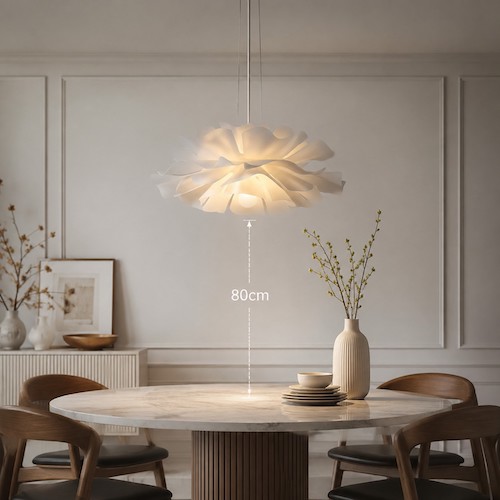
Mistake 1: The Fixture is Hanging at the Wrong Height
If a pendant light is hung too high, the bulb becomes visible to anyone standing in the room. If it is hung too low, it blocks sightlines and beams light directly into the eyes of seated guests.
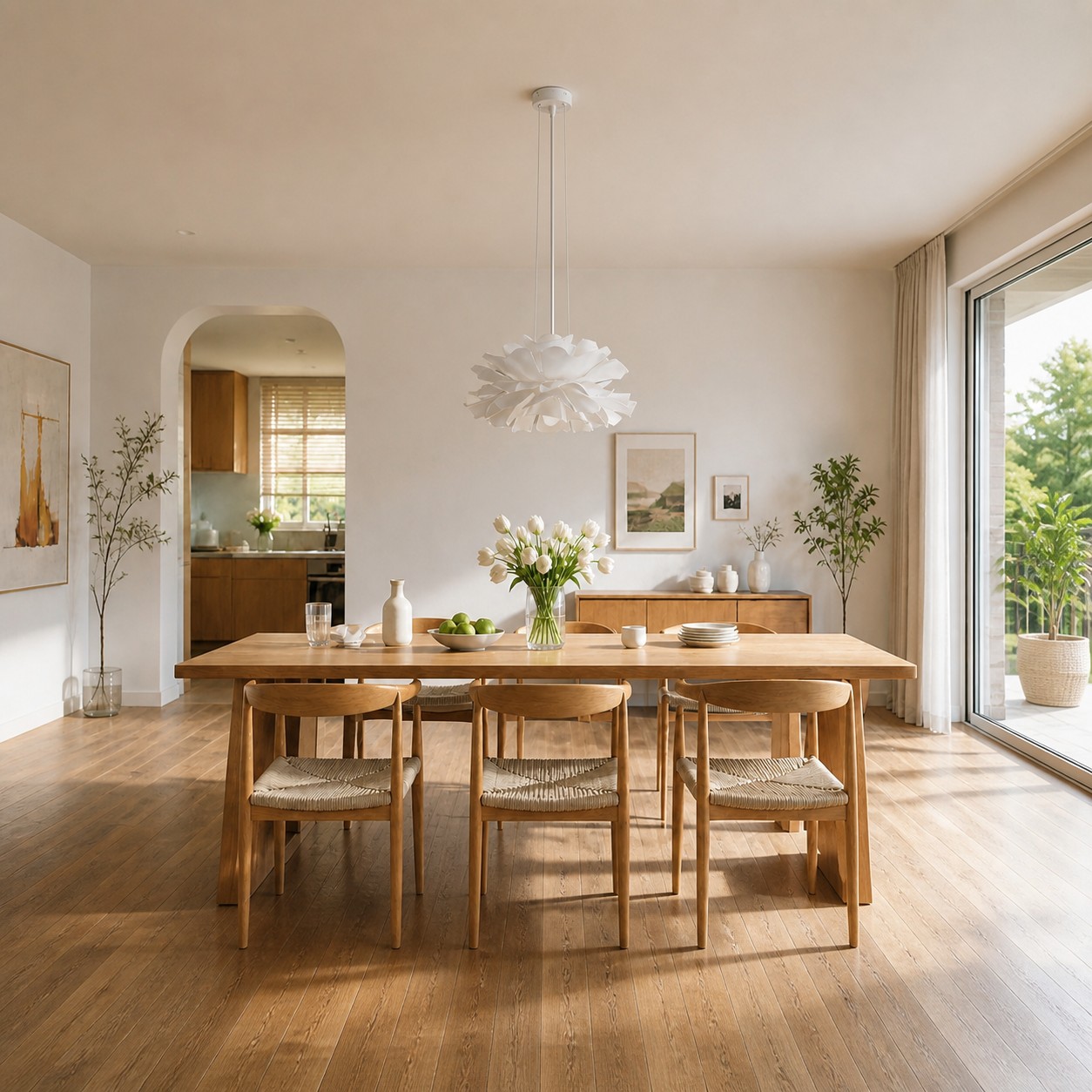
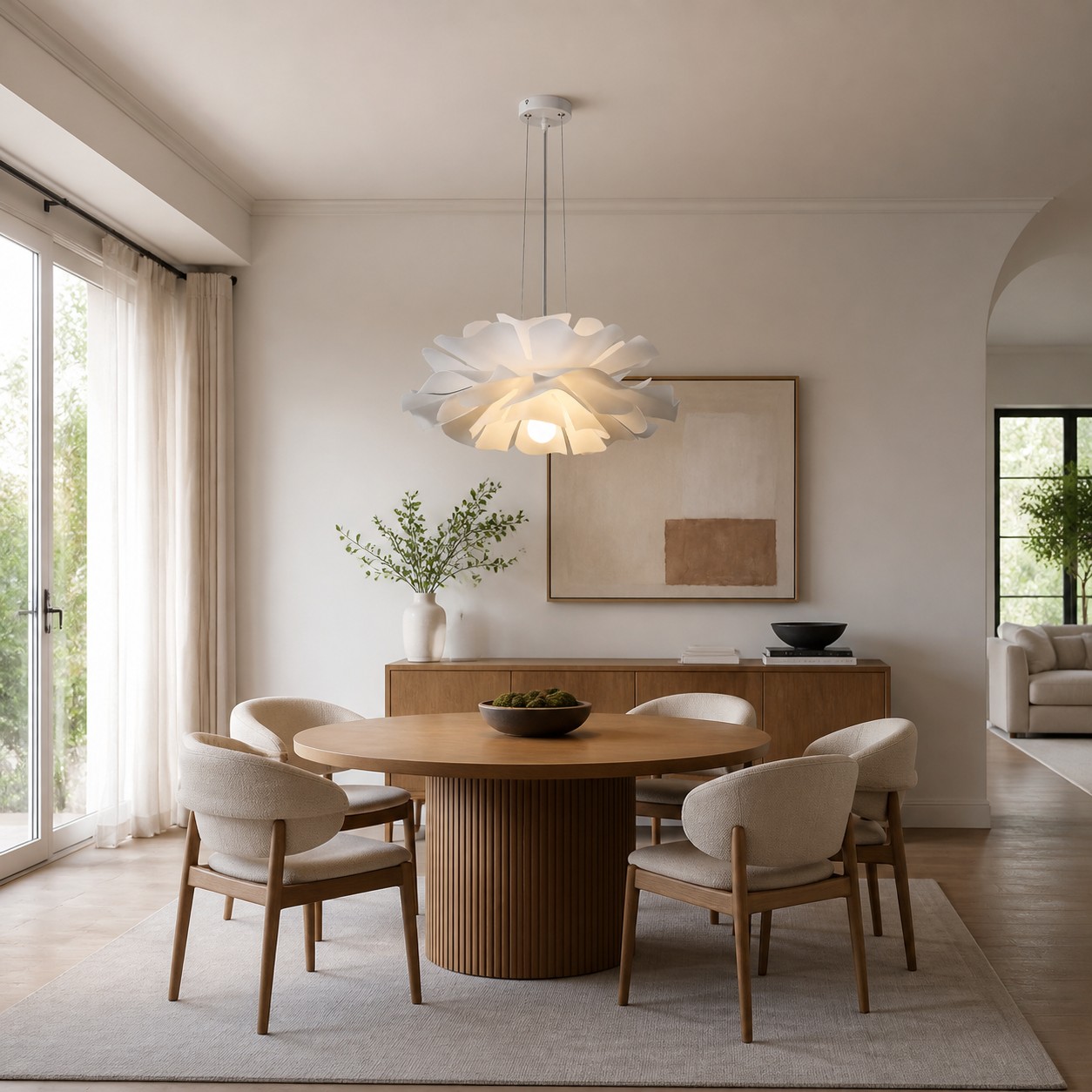
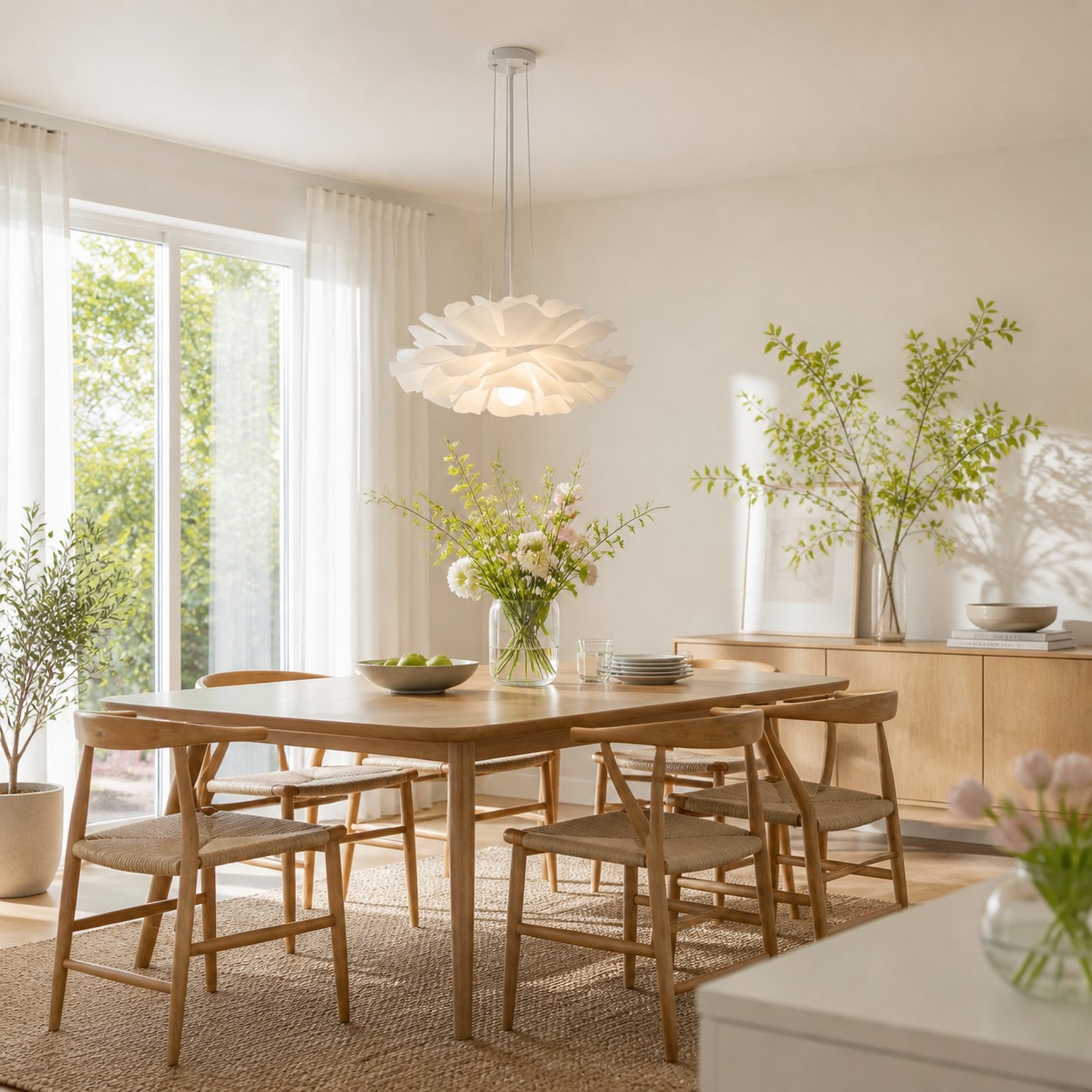
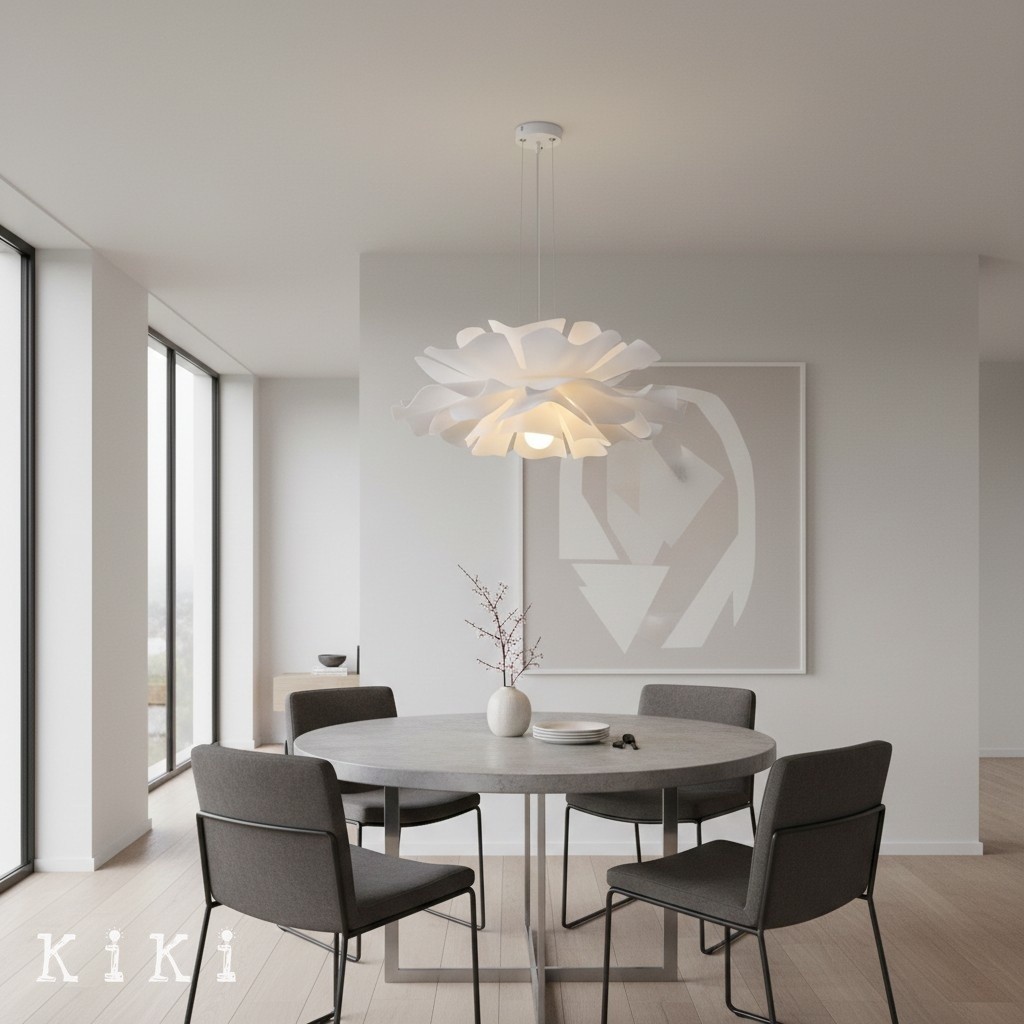
- The Rule: If your floral pendant is hanging over a dining table, the bottom of the lowest petal should be exactly 75 cm to 90 cm above the tabletop. This height creates an intimate pool of light while keeping the inner bulb hidden from the seated eye level.Need help with installation? Check out our comprehensive tutorial: How High to Hang a Dining Room Pendant Light? Avoiding Visual Clutter with a Flower pendant light.
Mistake 2: Chasing Excess Lumens
A common misconception is that a main room fixture needs the brightest bulbs possible. Over-illuminating a space is a primary cause of glare. A floral pendant light is primarily a decorative ambient fixture, not a surgical task light.
- The Rule: For a multi-petal pendant over a dining area, aim for a total of 400 to 800 lumens per bulb. If your fixture takes three or more bulbs, you can drop that down to 300 to 400 lumens per bulb.
Final Pre-Purchase Checklist
Before you finalize your bulb purchase online or head to the checkout counter, run through this rapid checklist to ensure you have the exact right components to eliminate glare:
- I have confirmed my fixture's socket size (e.g., E26, E12).
- The new bulb's length is at least 2.5 cm shorter than my fixture's central petal depth.
- I have selected a Half-Chrome (Silver Crown) or heavily Frosted finish.
- The bulb color temperature is rated between 2700K and 3000K.
- The packaging explicitly states "LED" to protect the acrylic petals from heat.
- (If applicable) The packaging explicitly states "Dimmable."
Recommended Product: Elevate Your Space without the Glare
If you are currently researching lighting options and want to avoid the headache of glare entirely, it is crucial to choose a fixture that is architecturally designed to diffuse light naturally.
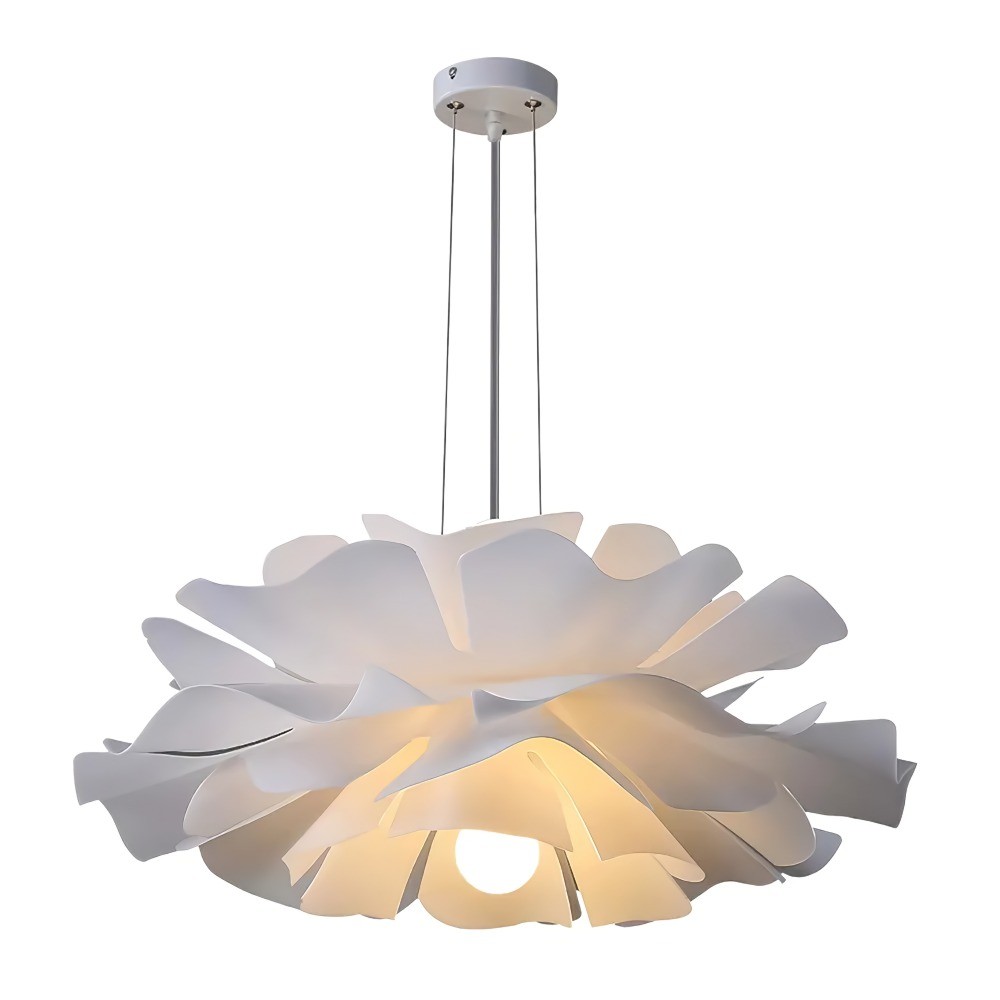
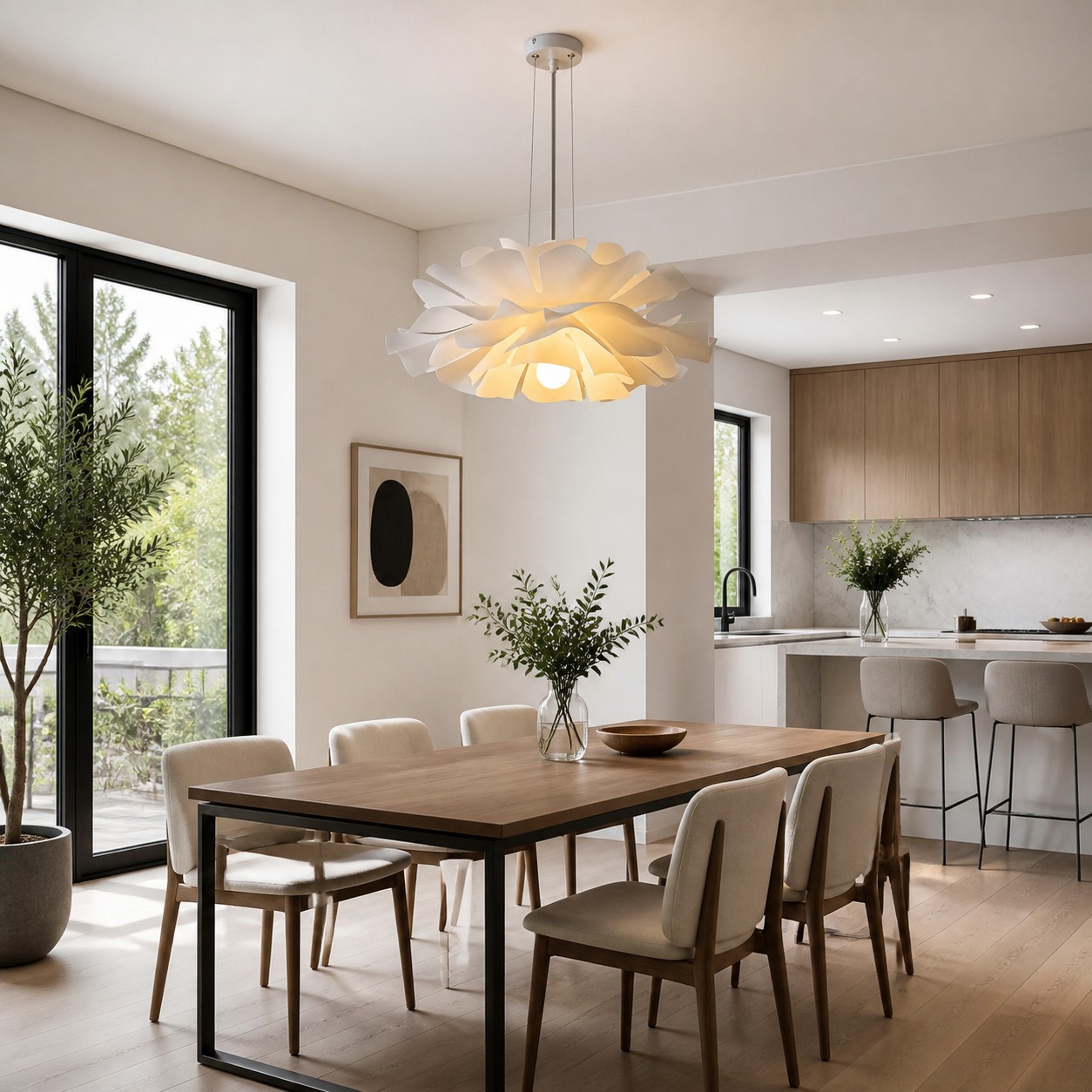
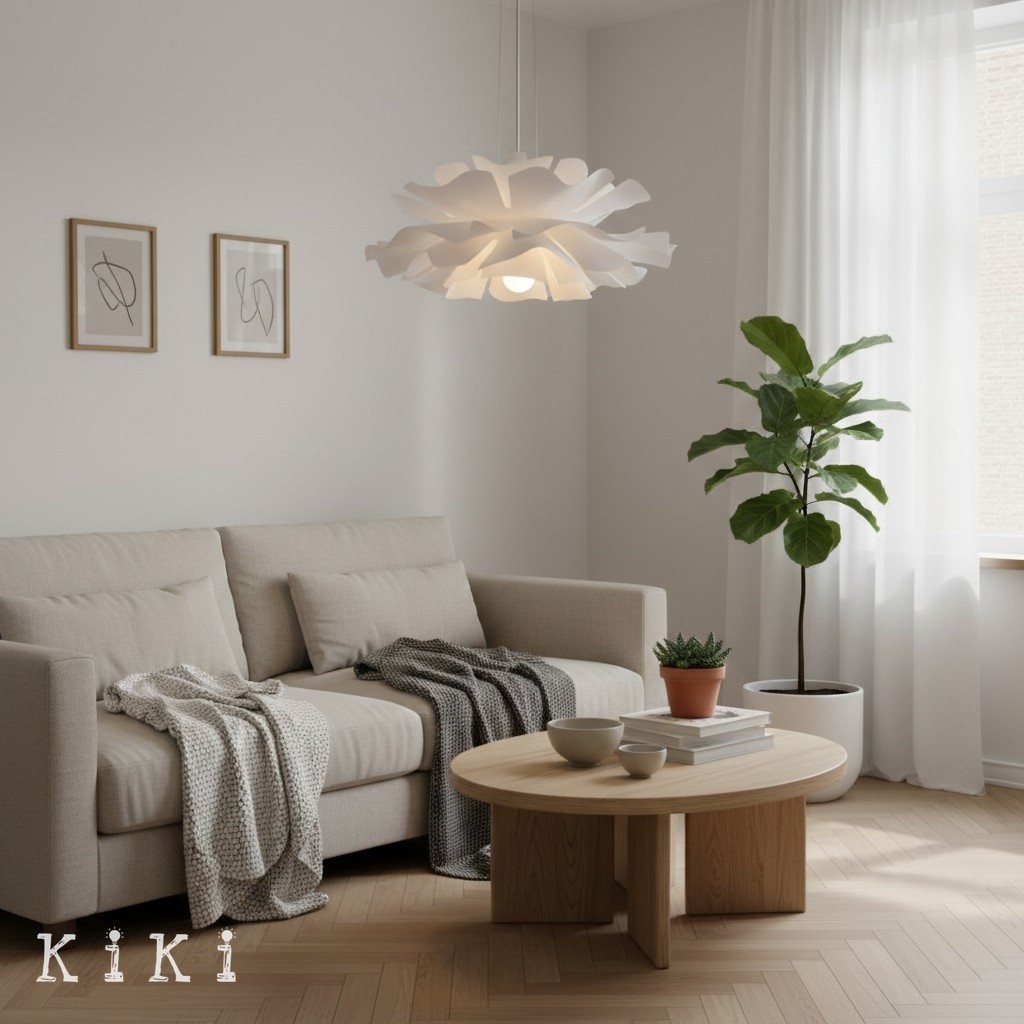
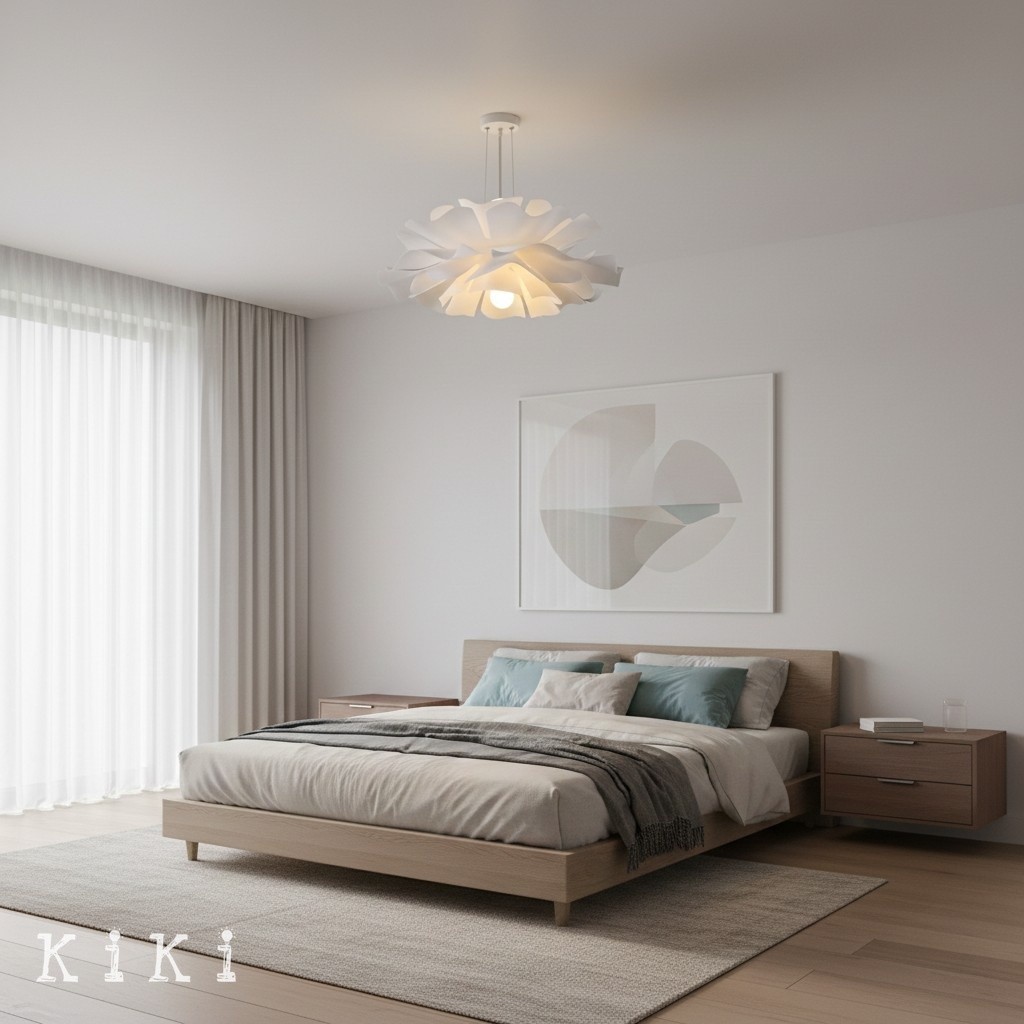
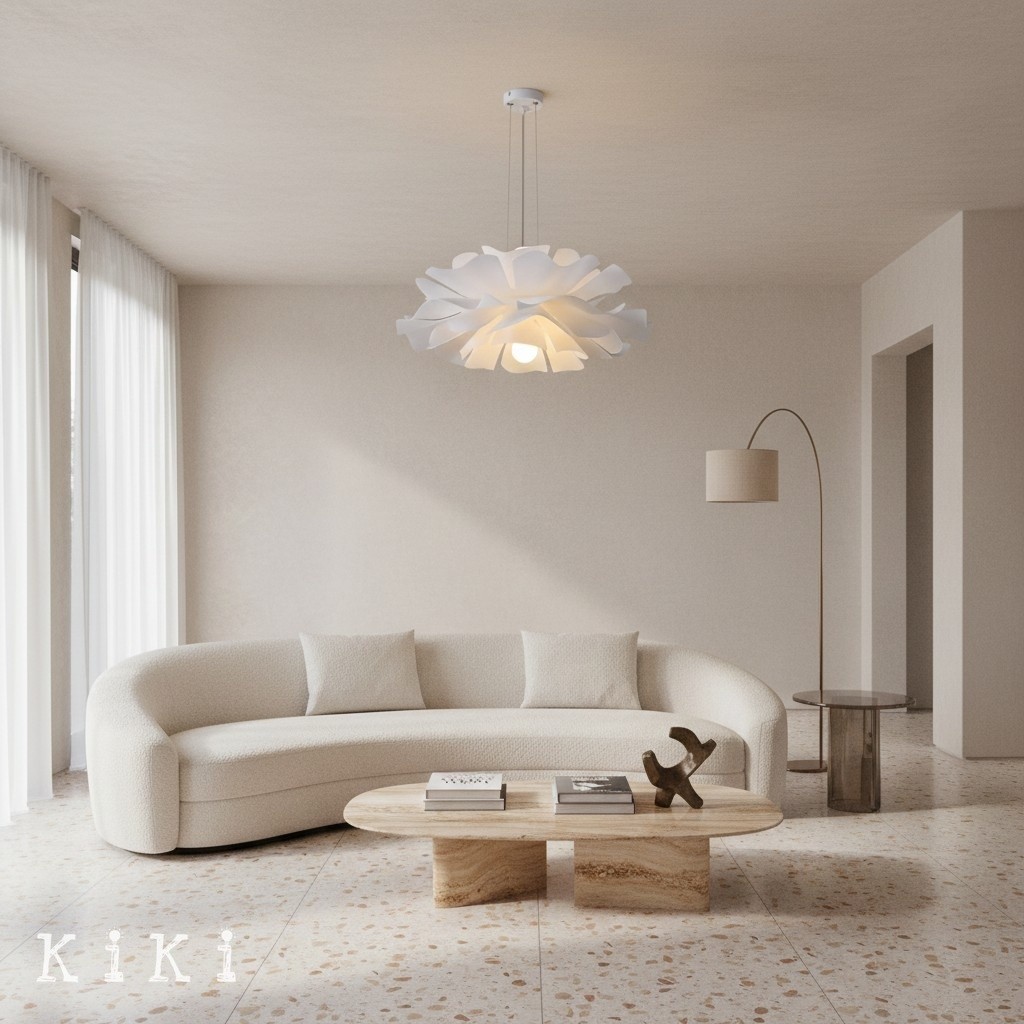
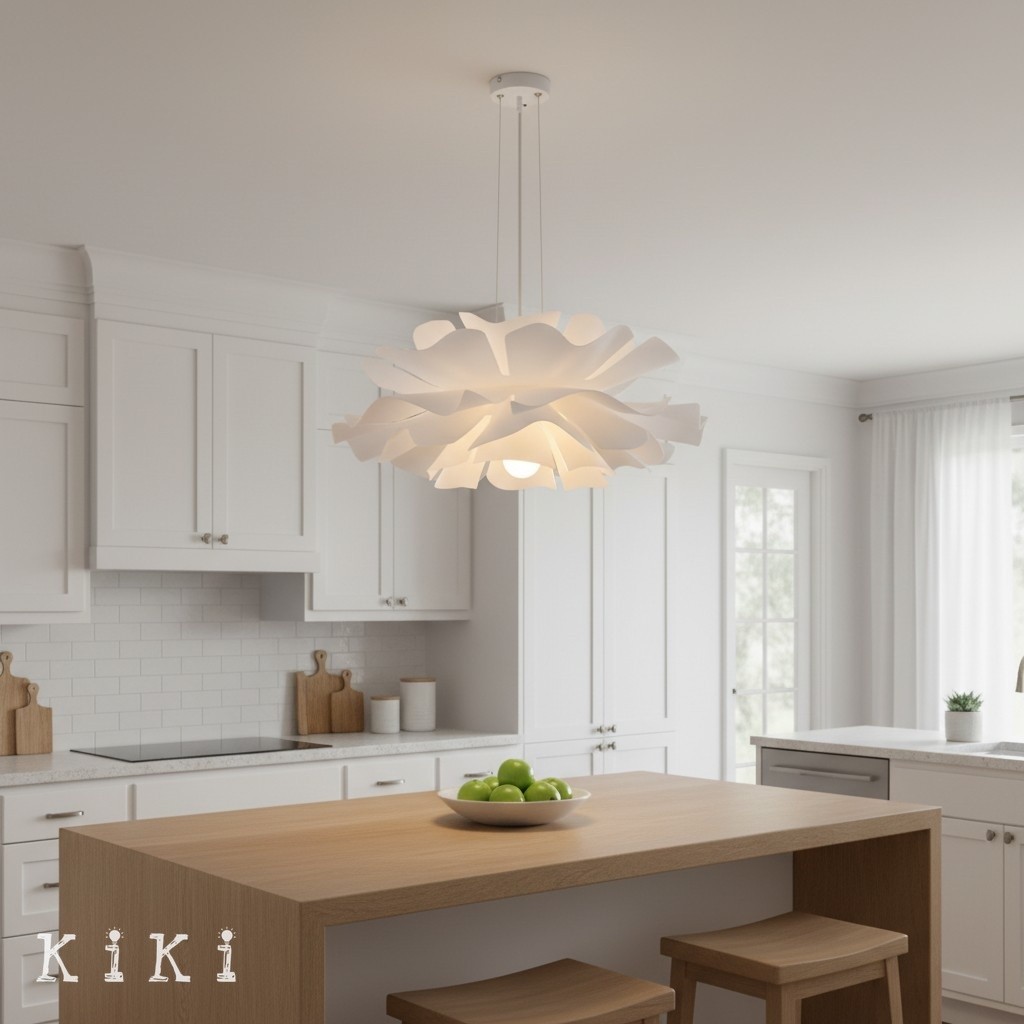
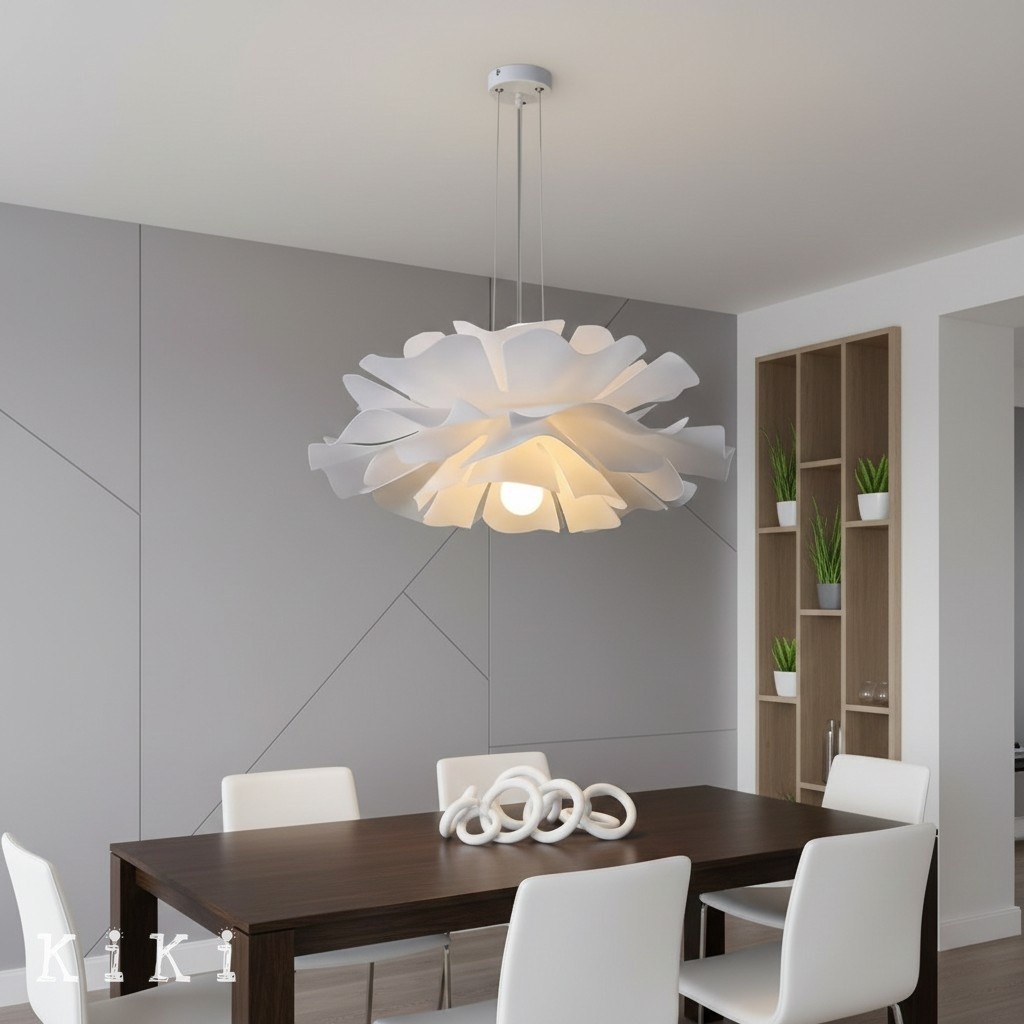
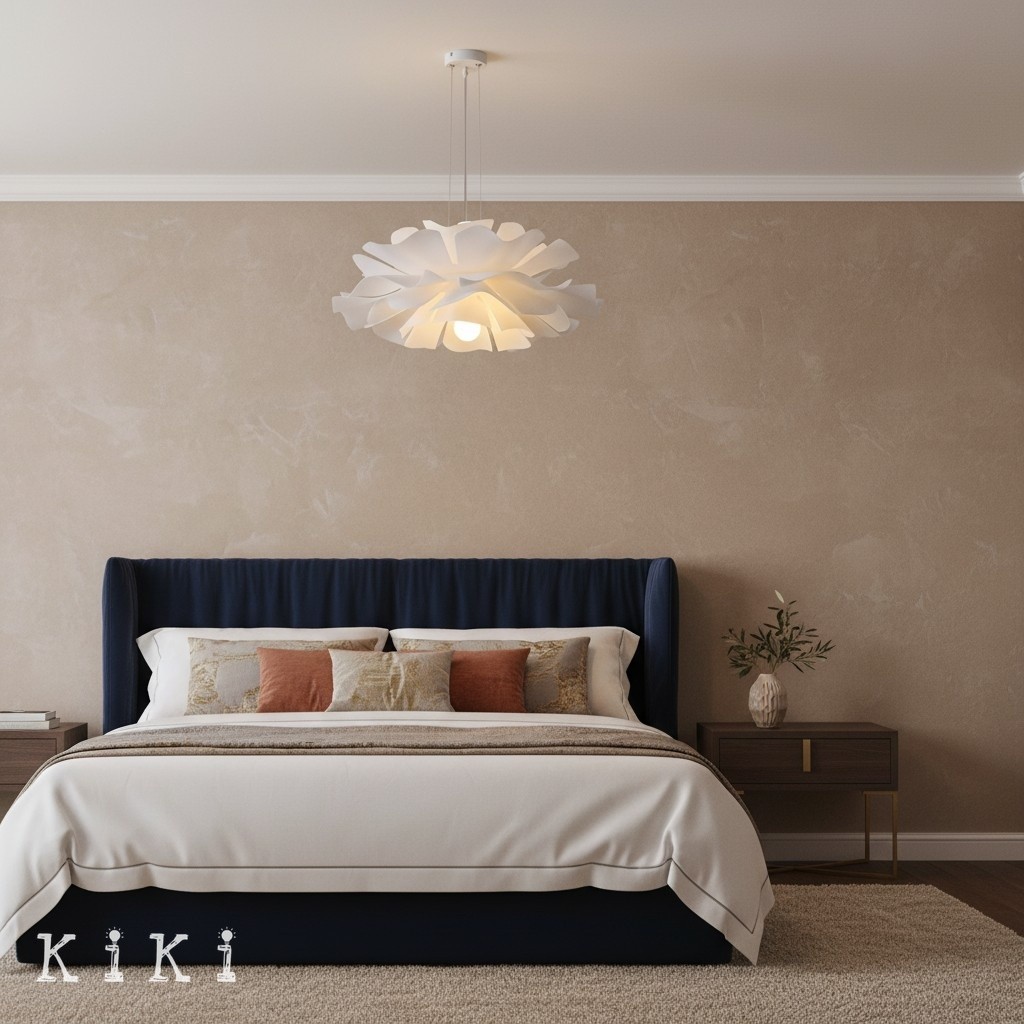
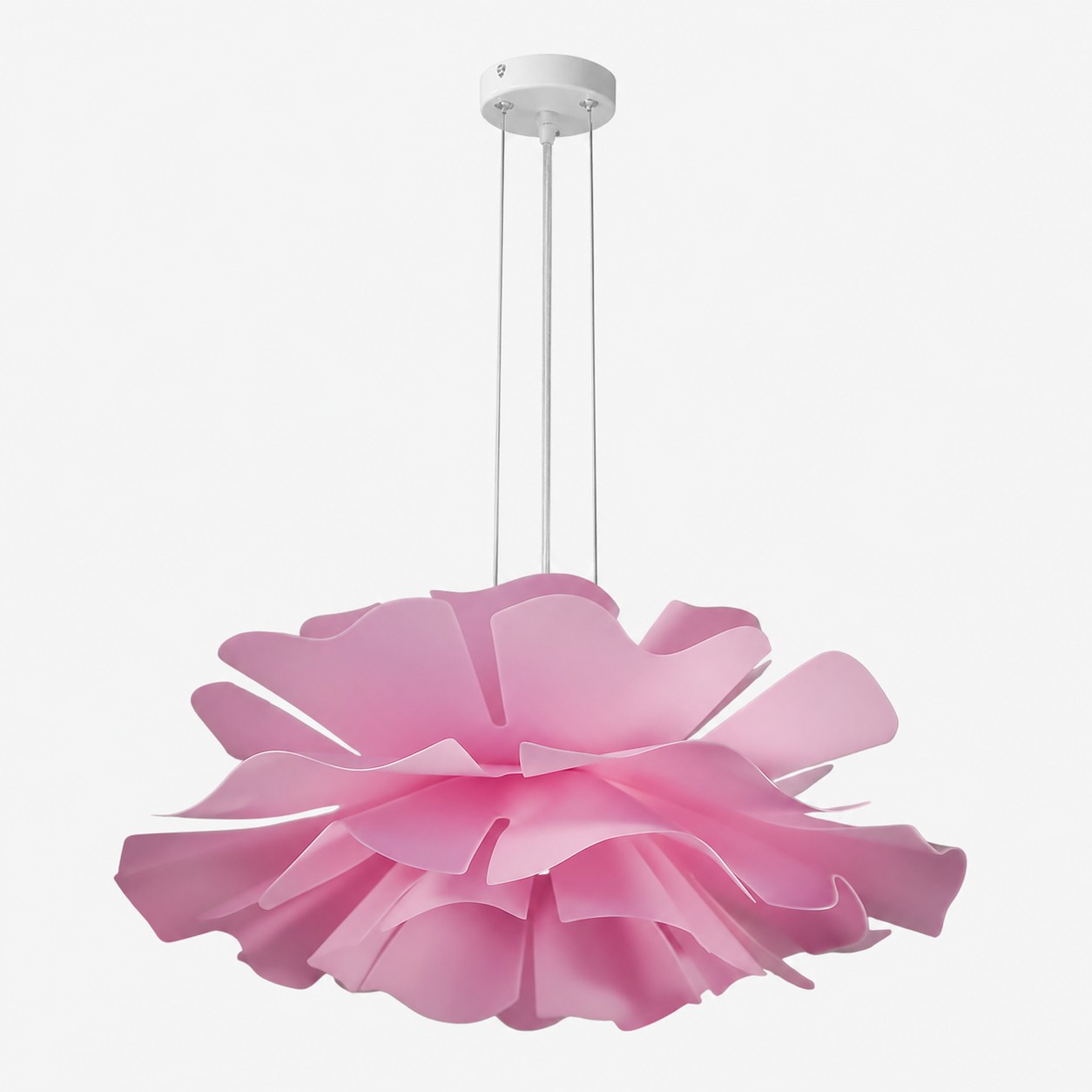
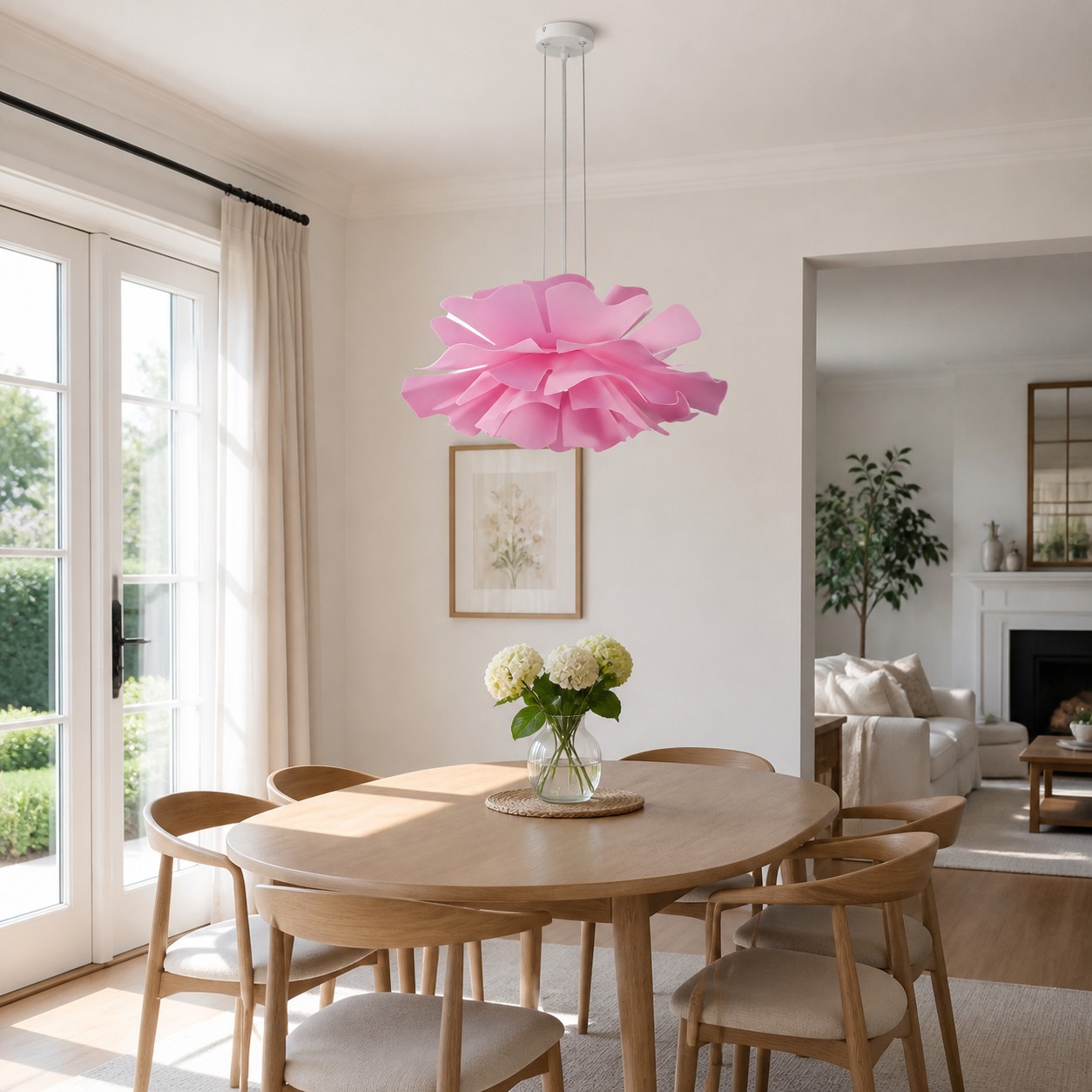
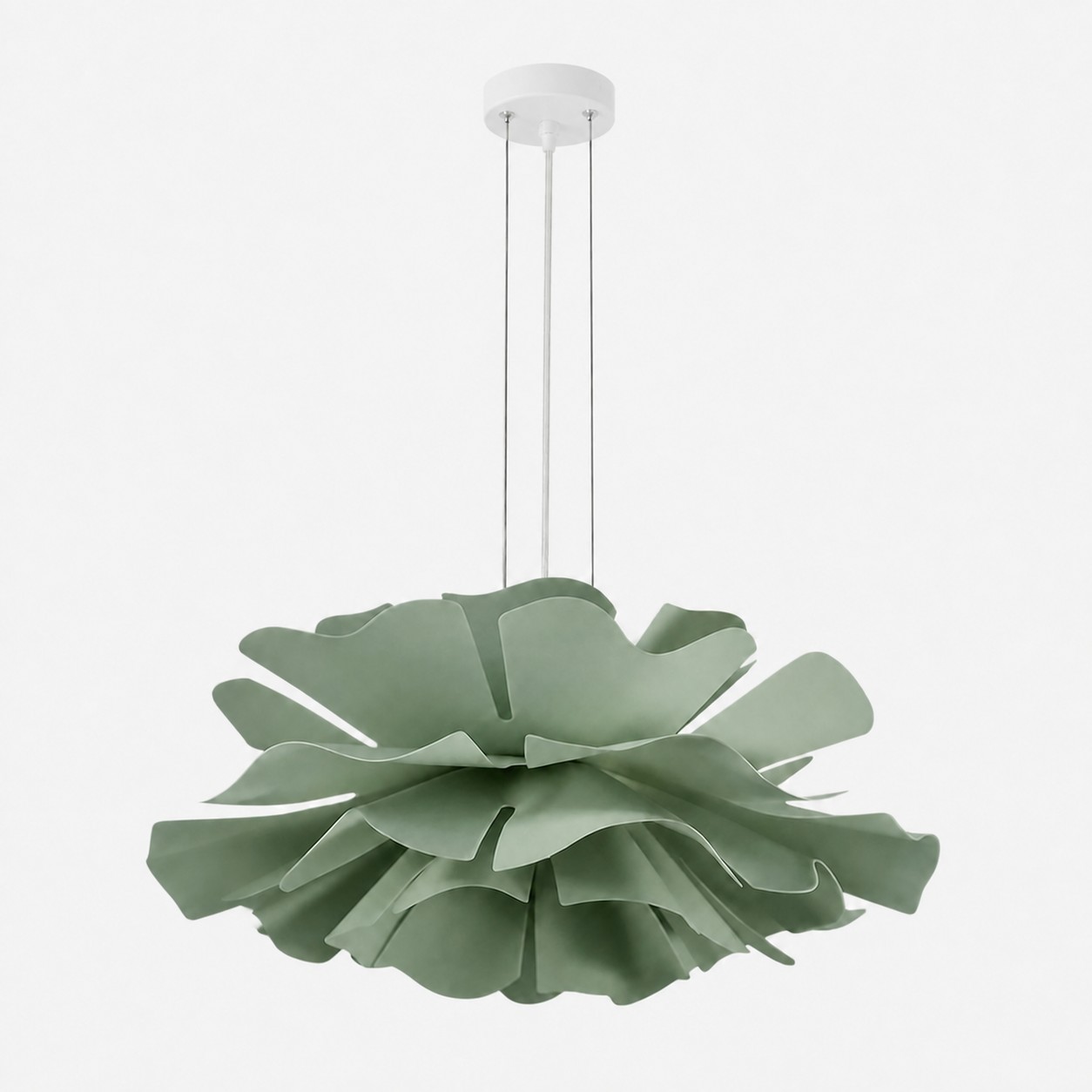
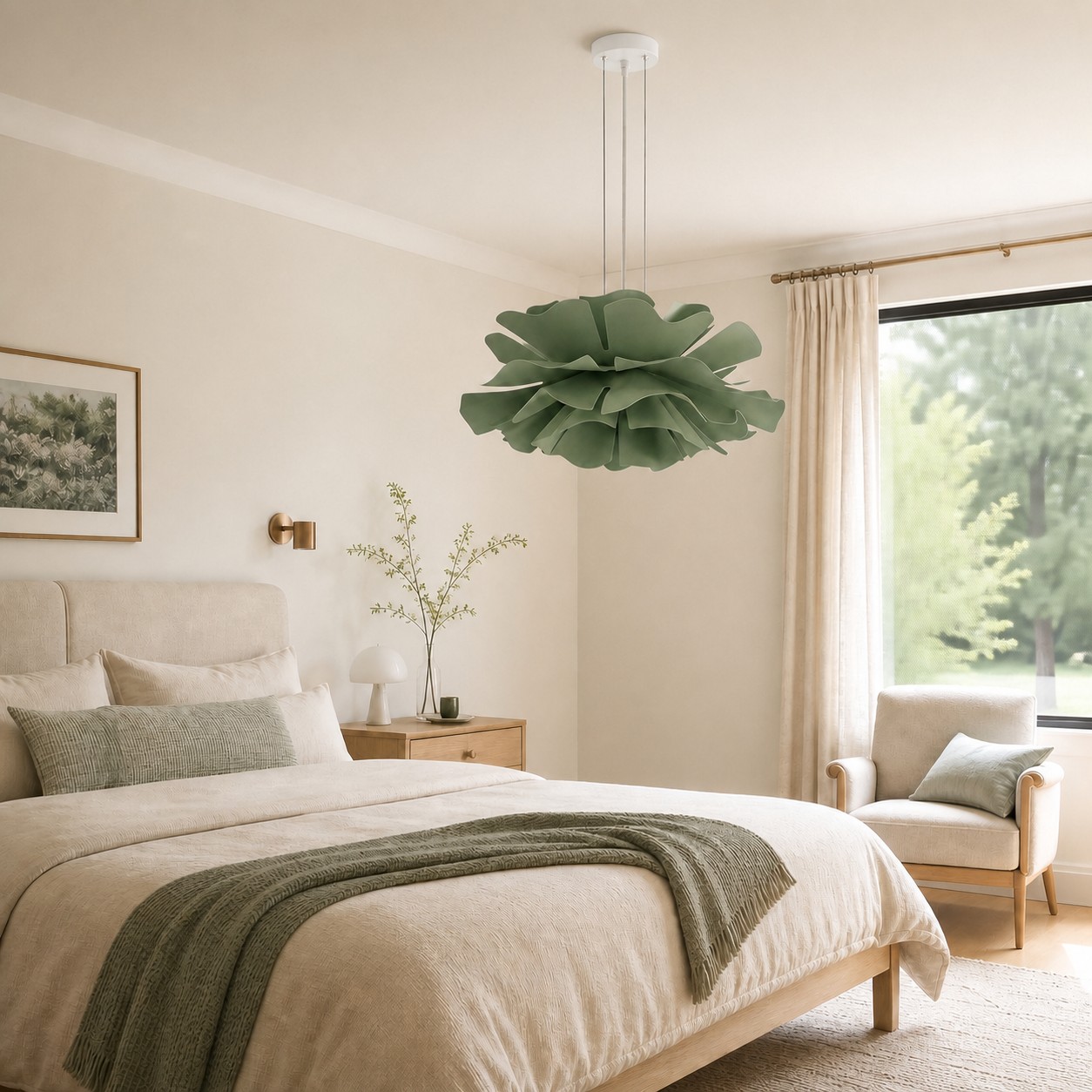
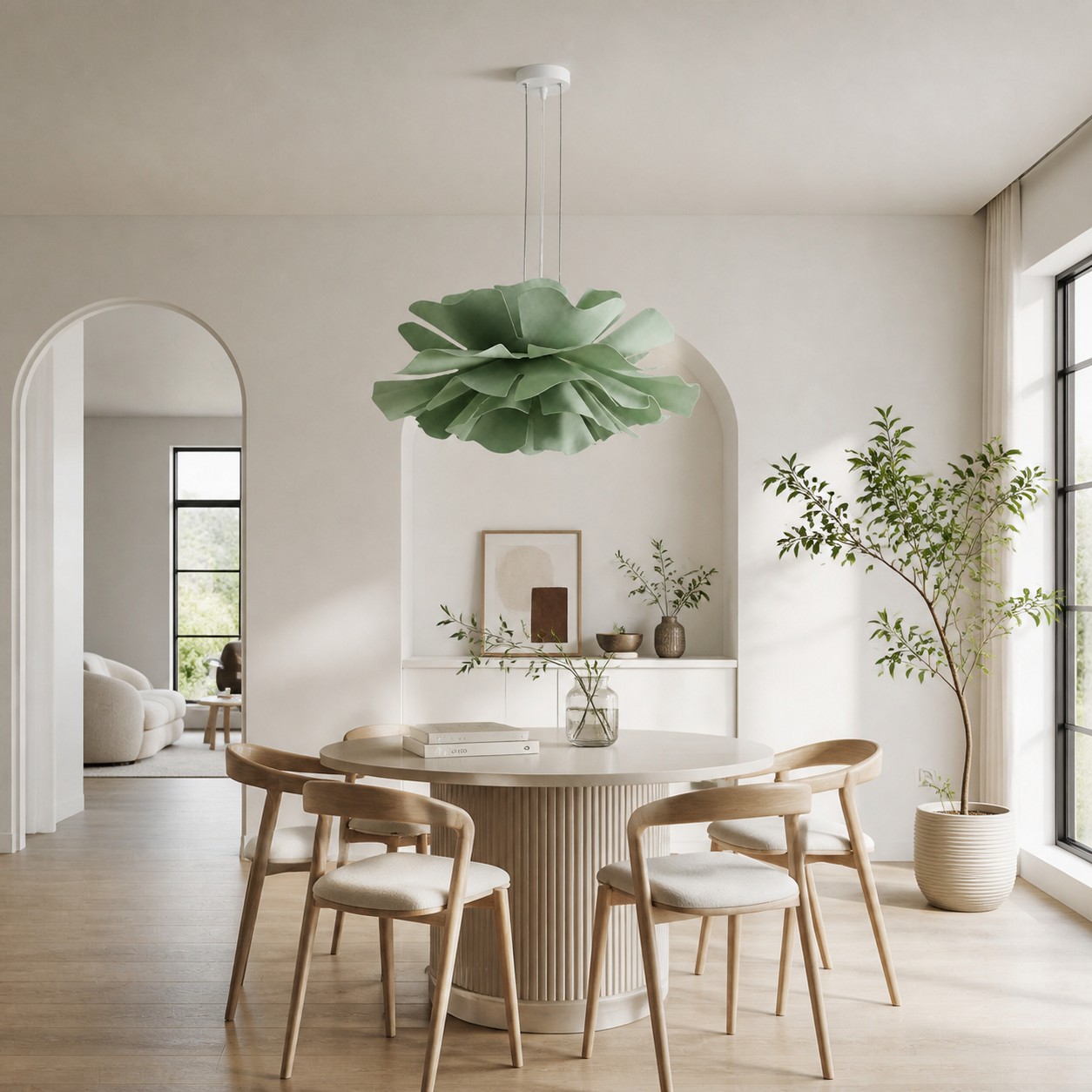
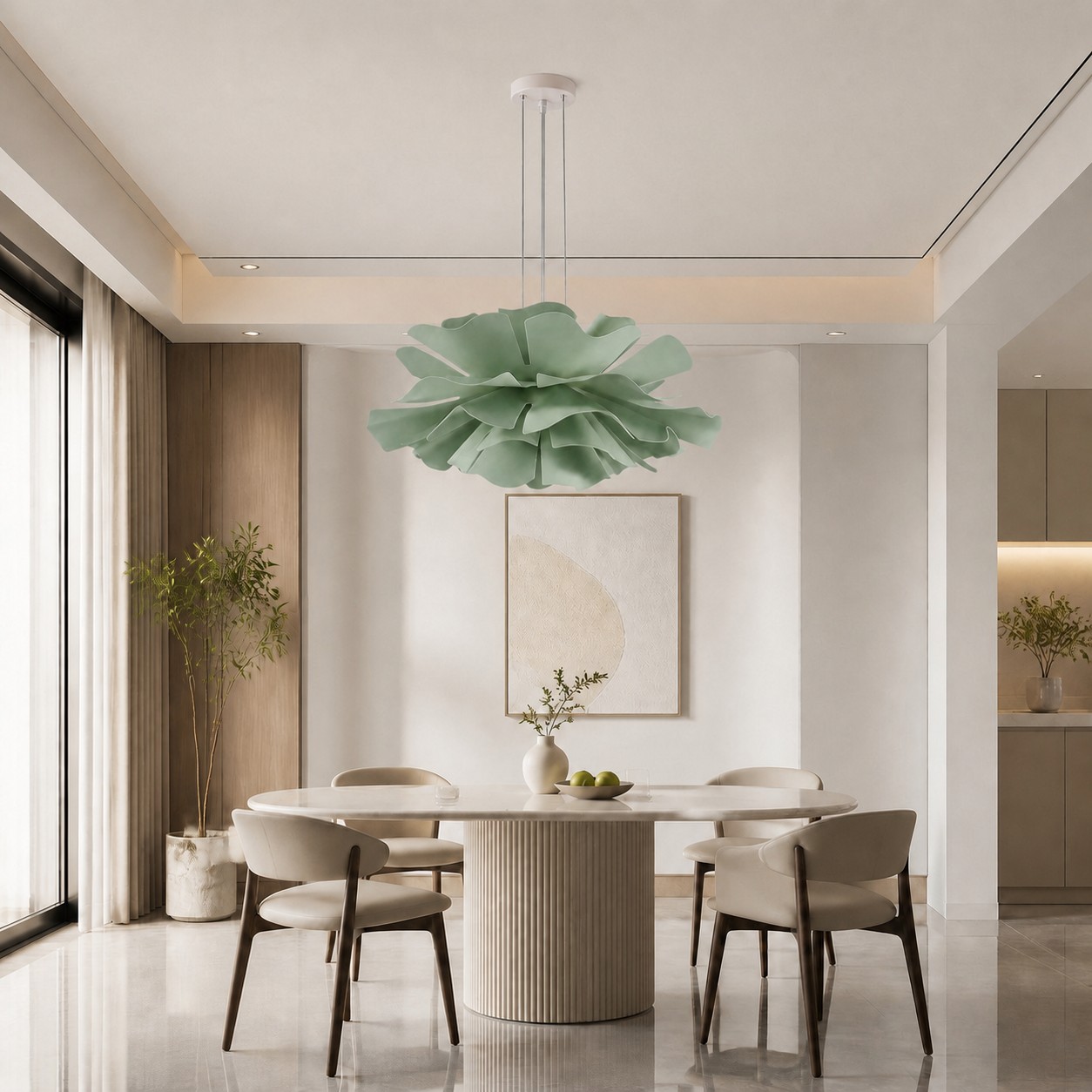
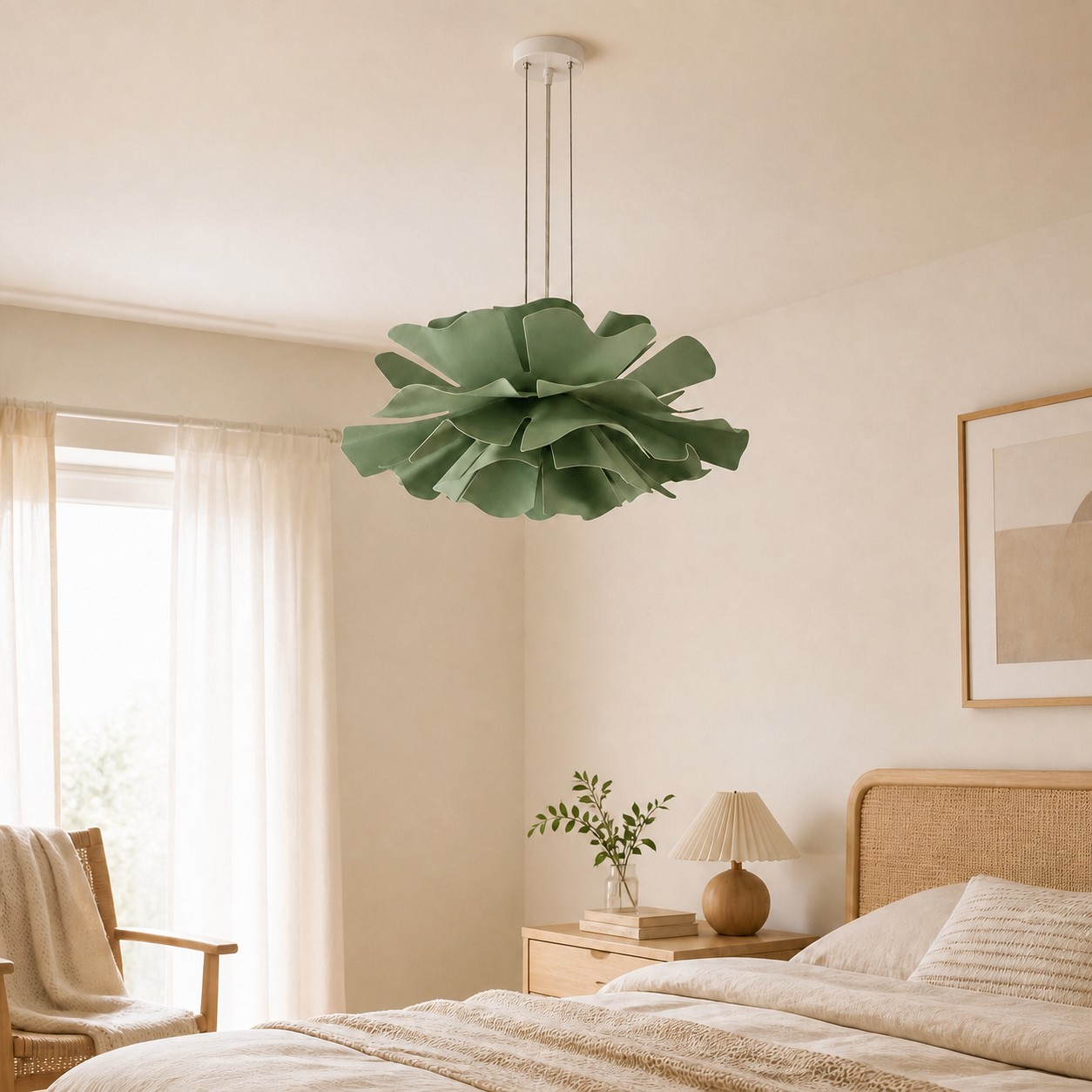
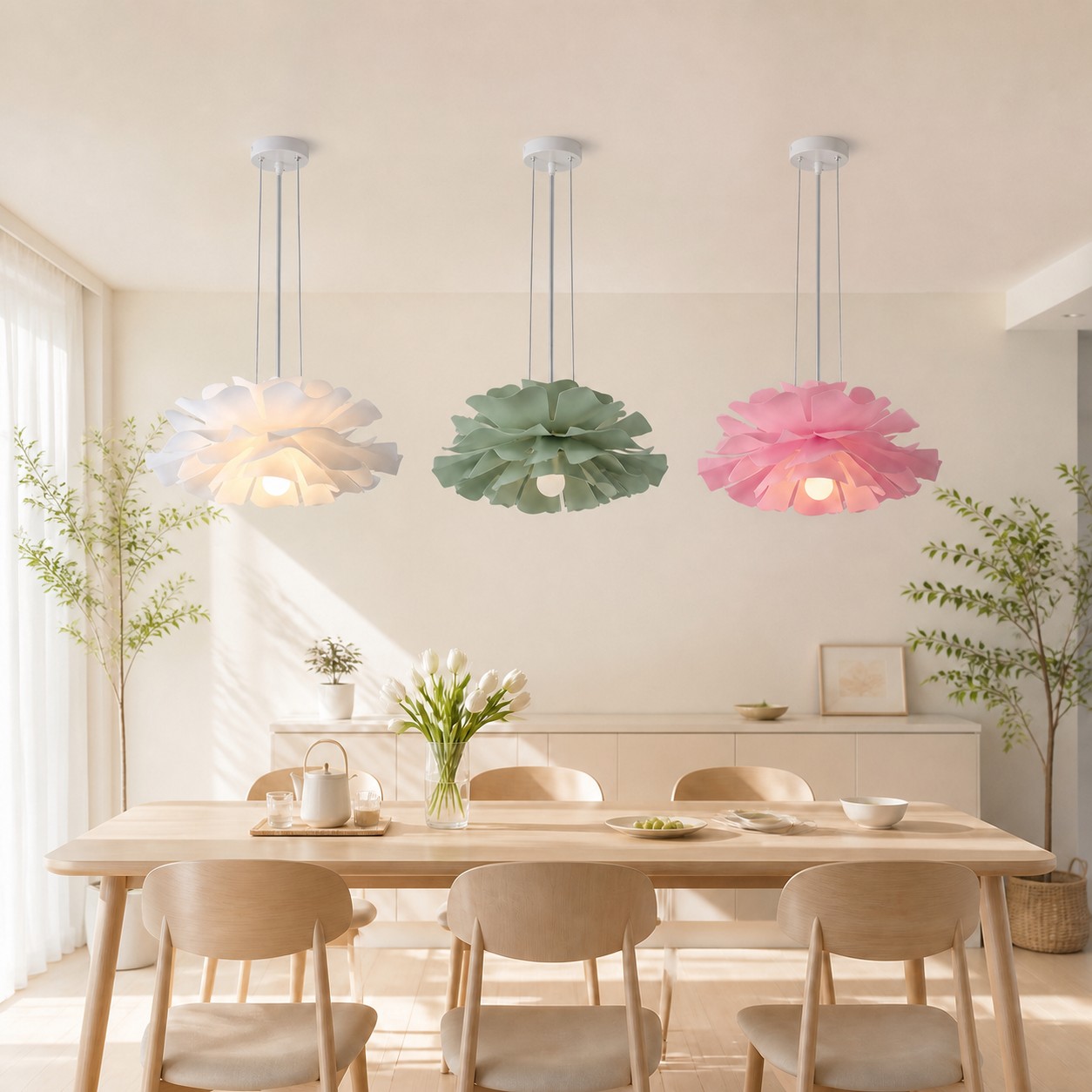
We highly recommend the Elegant Flower pendant light - Modern Lighting for Dining Room and Living Area.
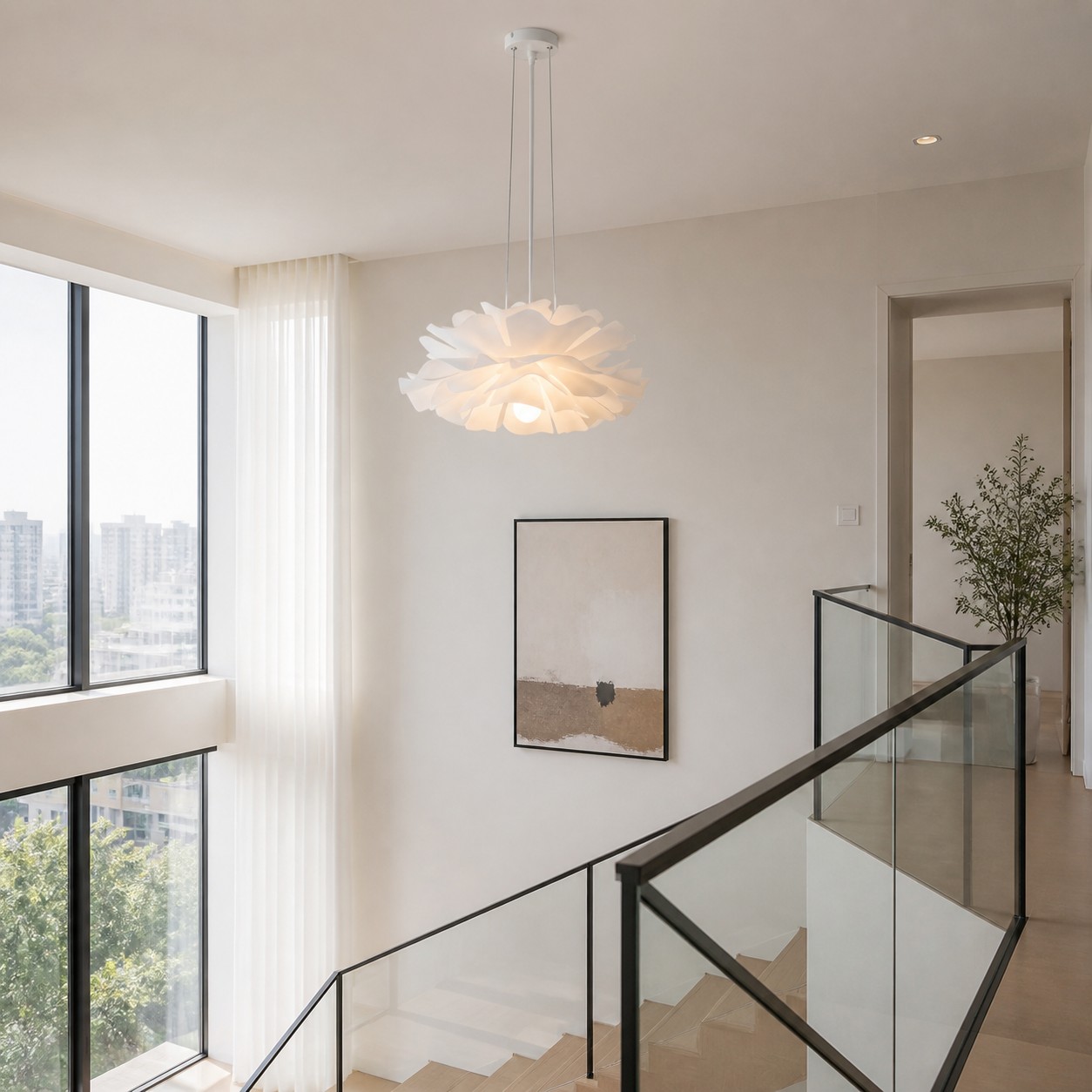
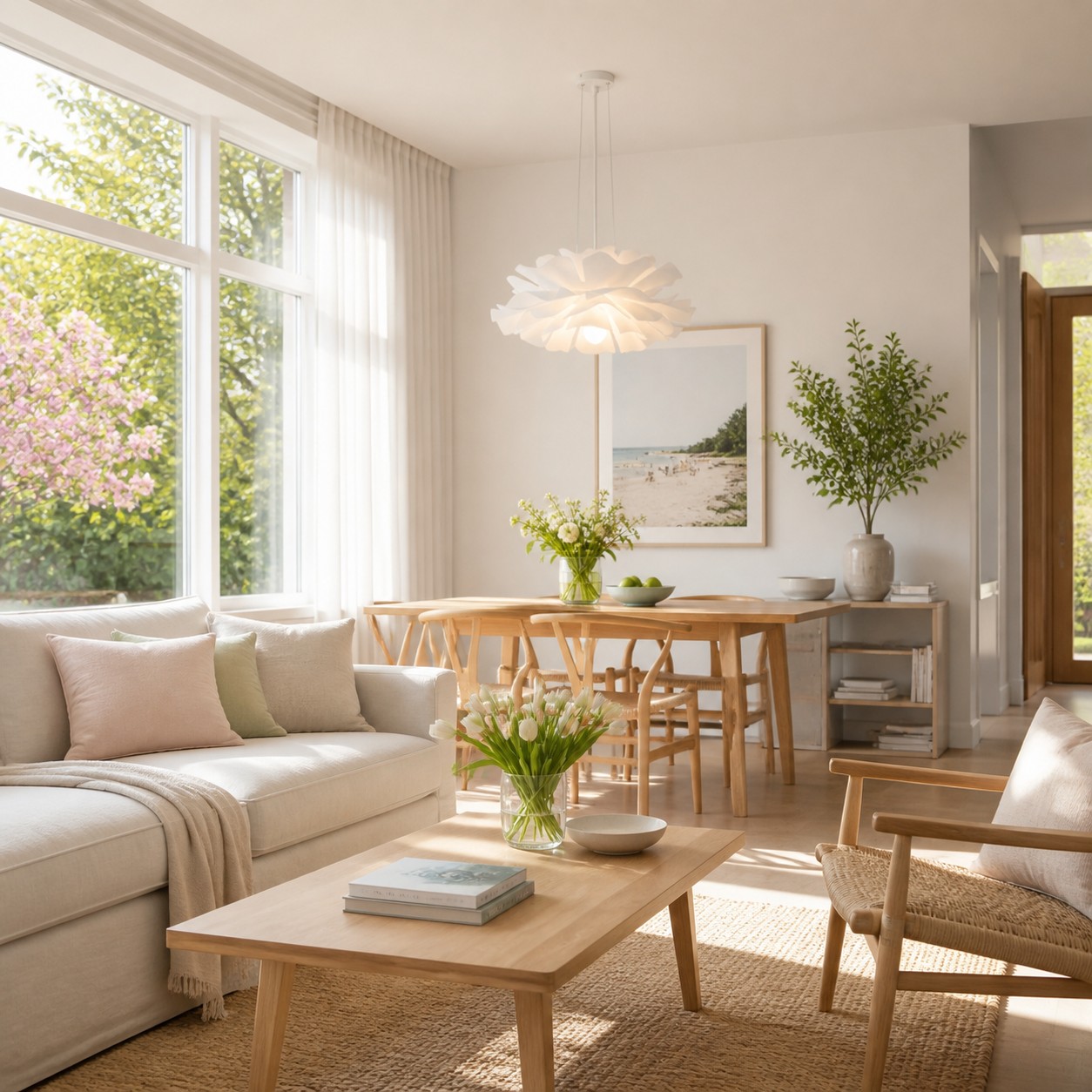
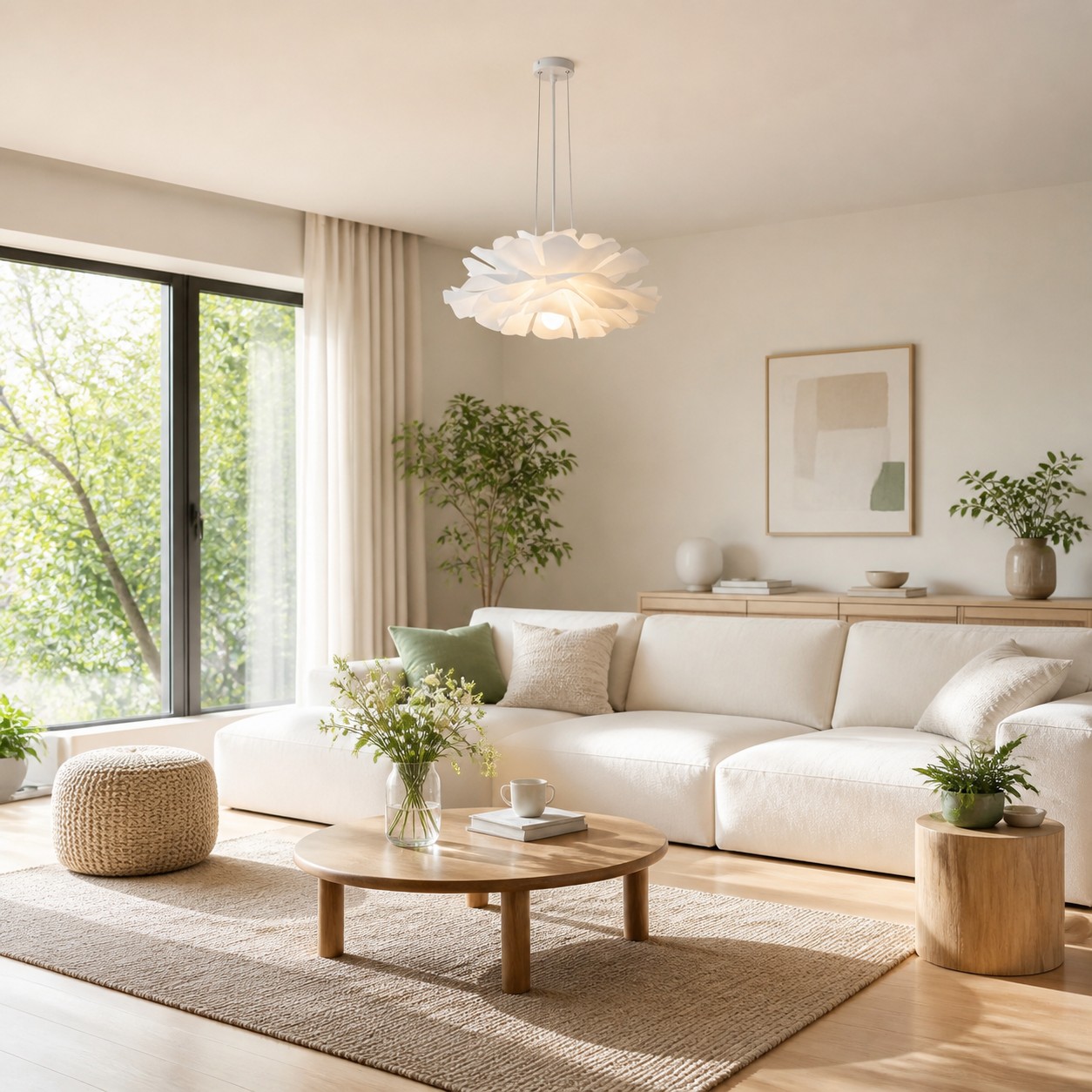
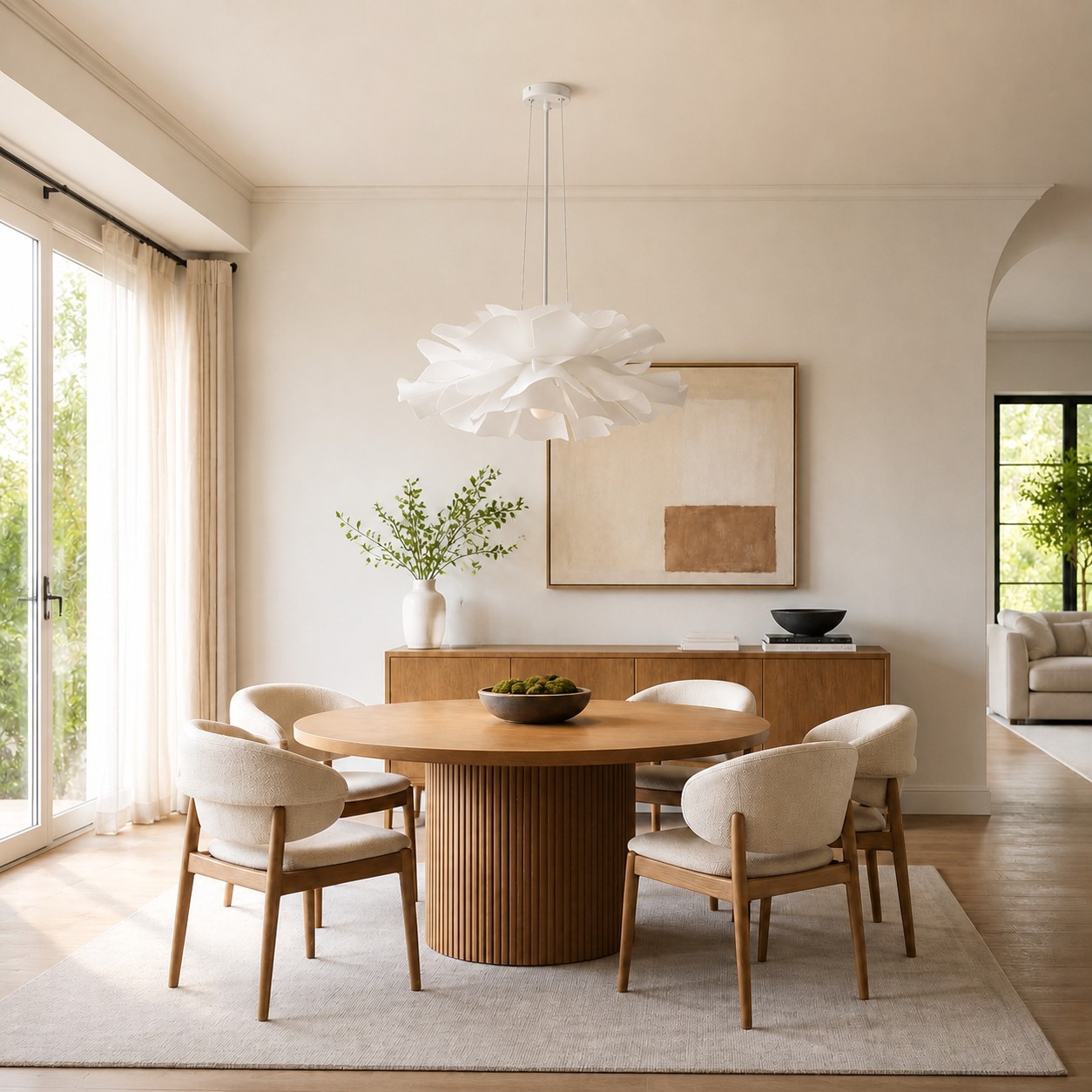
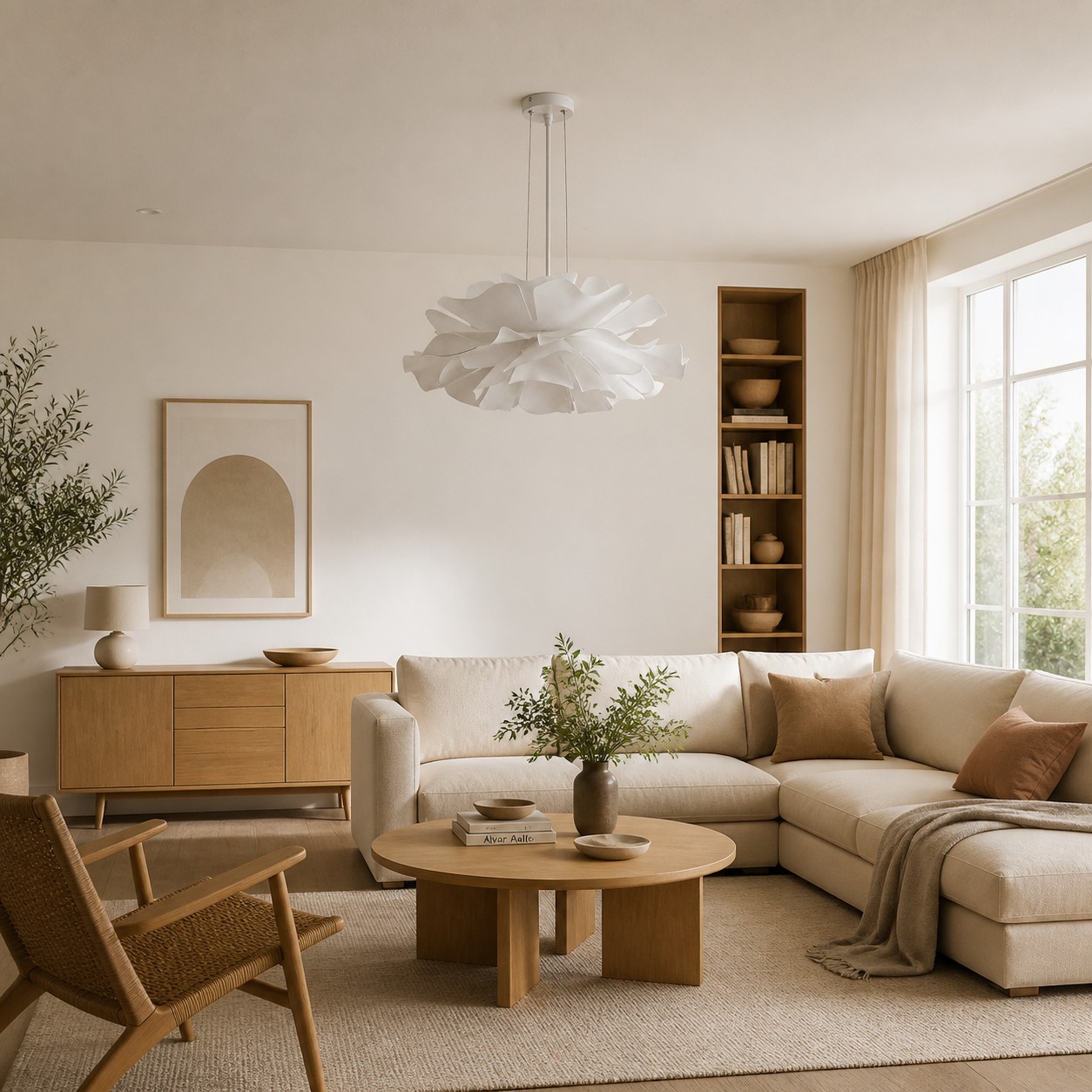
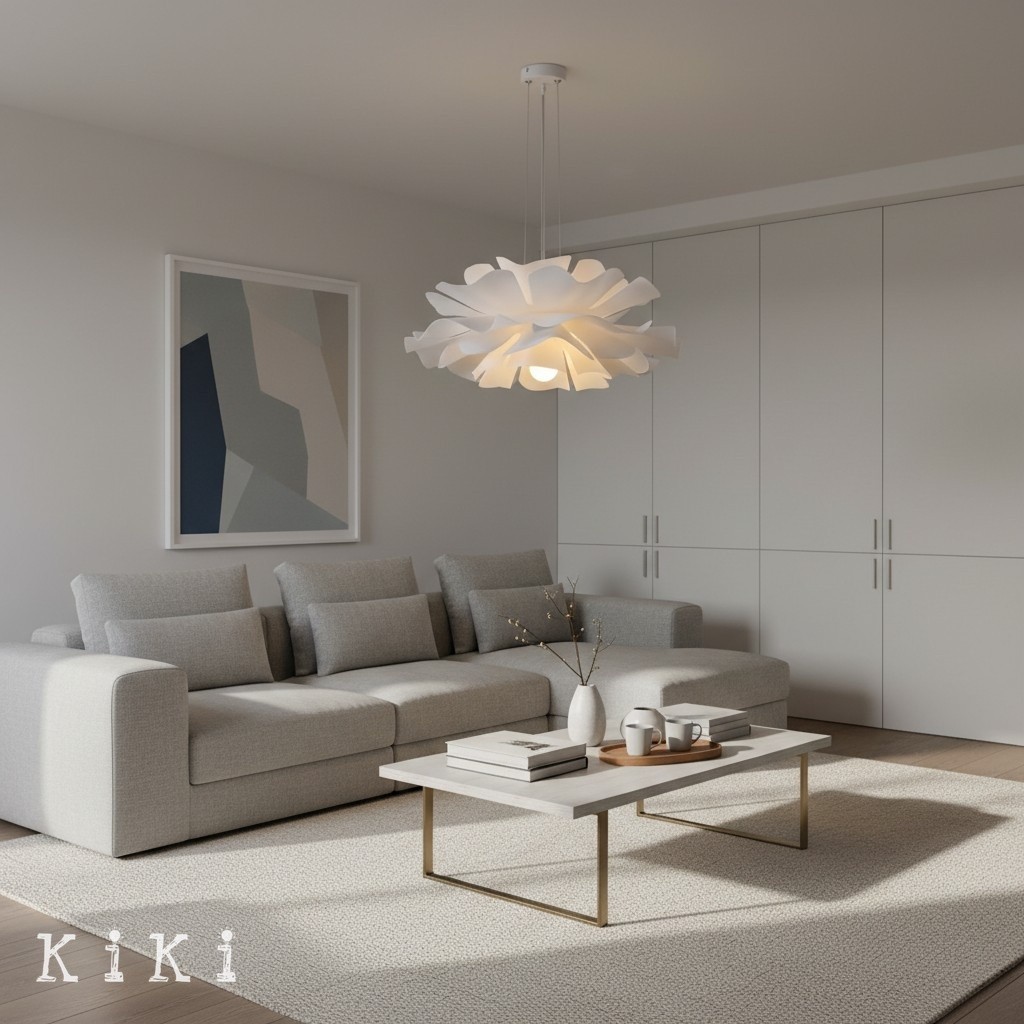
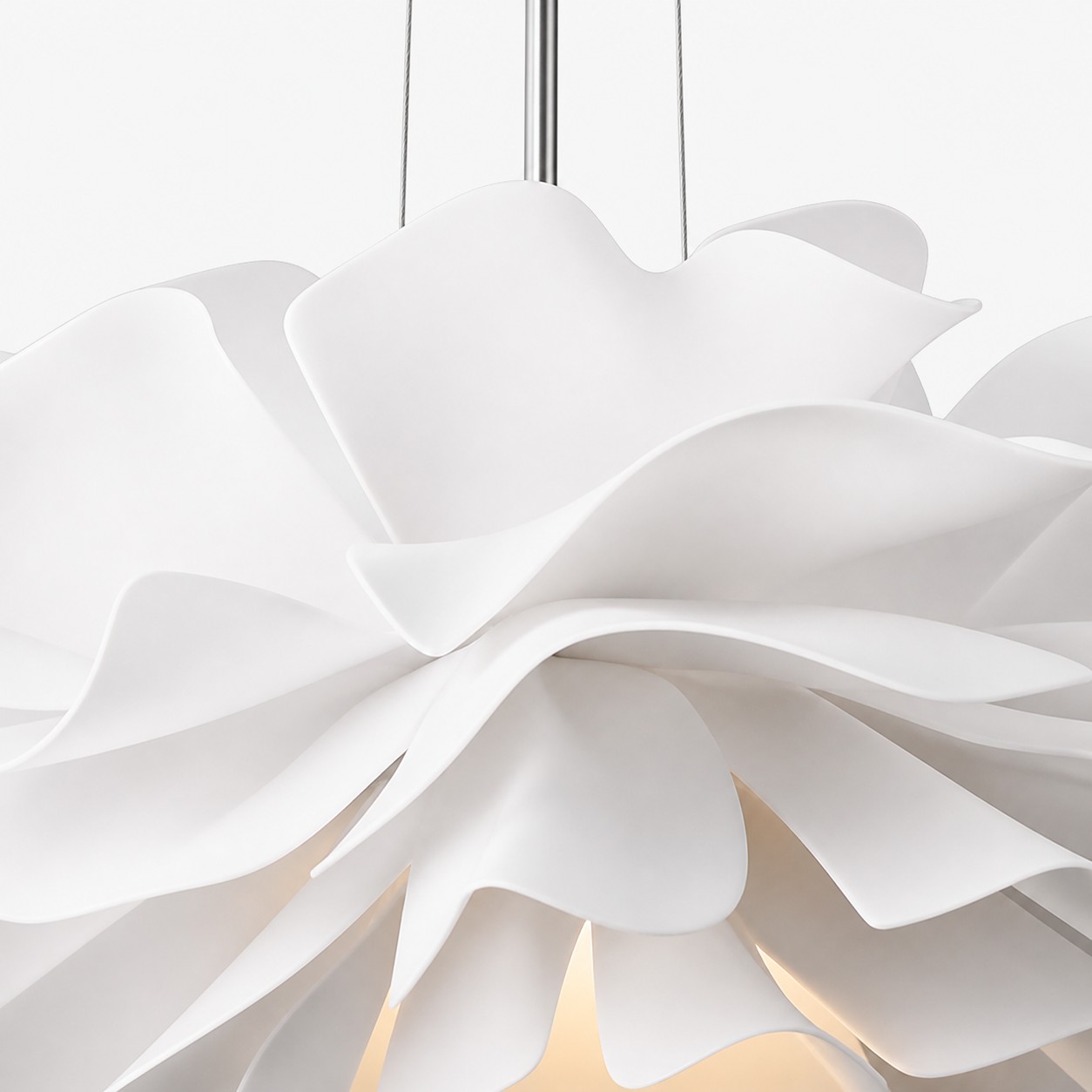
This specific fixture stands out because its multi-layer acrylic petal structure is intentionally designed with lighting physics in mind. Instead of a flat, open shade that exposes the bulb, the Elegant Flower Pendant utilizes overlapping, curved acrylic petals. When paired with a warm white, frosted, or half-chrome bulb, these overlapping layers act as a series of built-in diffuser panels. The light hits the inner petals, glows softly through the high-quality acrylic, and cascades down without ever shooting a harsh beam directly into your eyes. It is the perfect marriage of botanical artistry and optical comfort.
Still skeptical? Read our hands-on evaluation: First Honest Unboxing Review: Is Kikilighting’s Elegant Flower pendant light Truly Worth the Hype?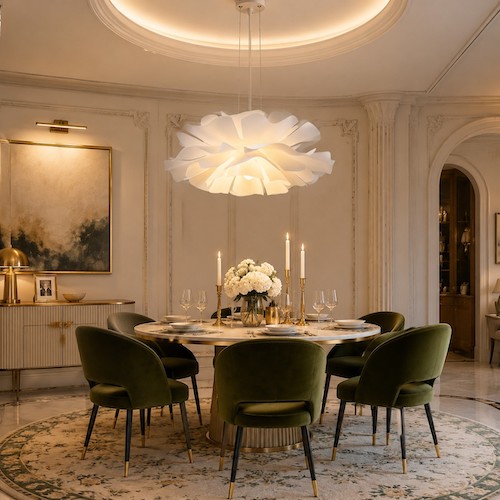
Frequently Asked Questions (FAQ)
Q: Will using a half-chrome (silver crown) bulb make my room too dark?
A: No, it will not make the room inherently darker, but it will change the distribution of the light. Instead of pushing harsh light downward, a half-chrome bulb pushes the light upward against the acrylic petals and the ceiling. This creates a rich, ambient, indirect illumination. Your room will feel softer and more evenly lit, though you won't have a harsh spotlight directly under the fixture.
Q: Can I use smart bulbs to solve the glare issue?
A: Smart bulbs are an excellent tool for managing ambient glare because they allow you to precisely tune the brightness (dimming) and color temperature directly from your phone. However, most smart bulbs have clear or standard frosted domes. If your fixture suffers from direct glare (where the bulb is visually exposed from below), a smart bulb will still shine directly into your eyes. In cases of direct exposure, a physical barrier like a half-chrome bulb is still the superior choice.
Q: My pendant light has fabric petals instead of acrylic. Do the same rules apply?
A: Yes, the core principles of hiding the bulb and using indirect light apply perfectly to fabric. However, fabric is far more sensitive to heat than acrylic. It is even more critical to use low-wattage LED bulbs to prevent a potential fire hazard or fabric discoloration over time.