The Short Answer
The best bulb for an opal glass table lamp is not chosen by shape or wattage alone. Start with the E14 base, then confirm that the bulb physically fits inside the shade and matches the lamp label. After that, choose lumens for the job, Kelvin for the mood, and a control method that works with the fixture.
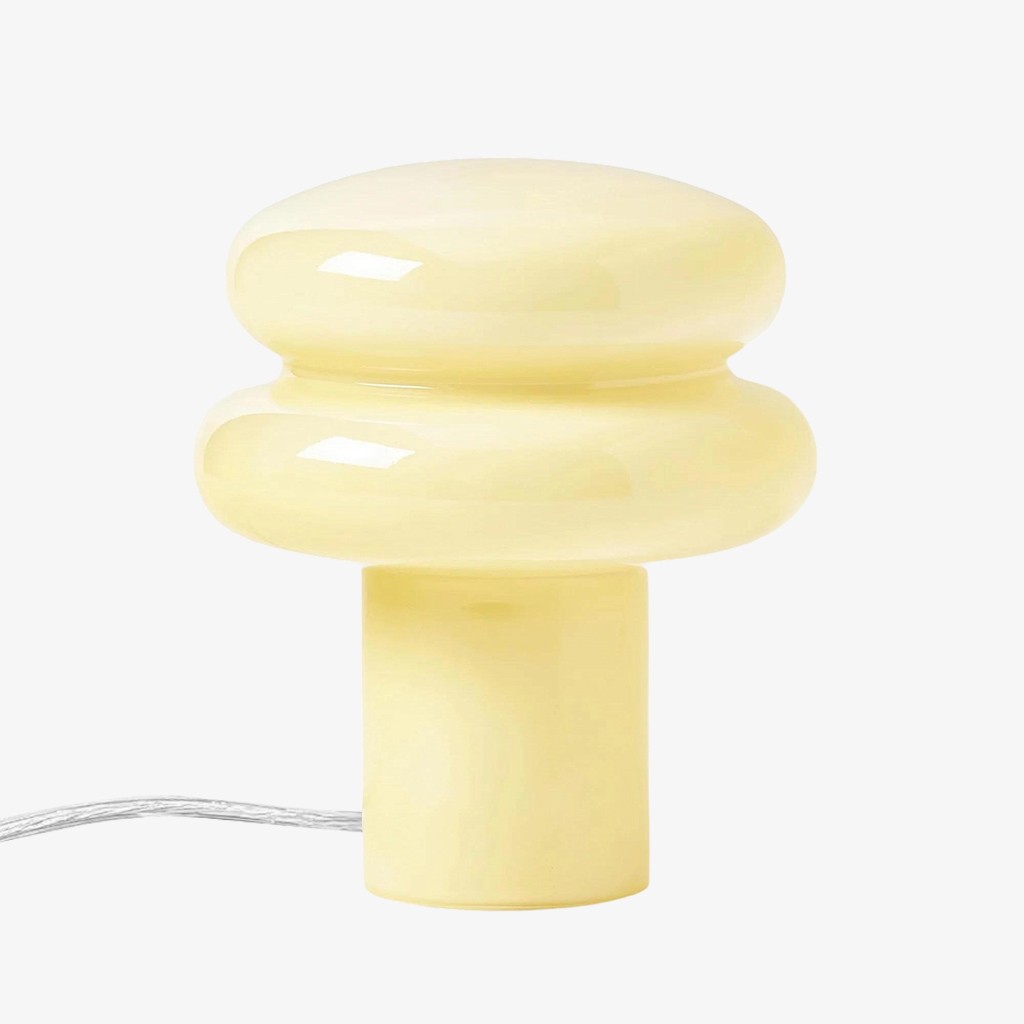
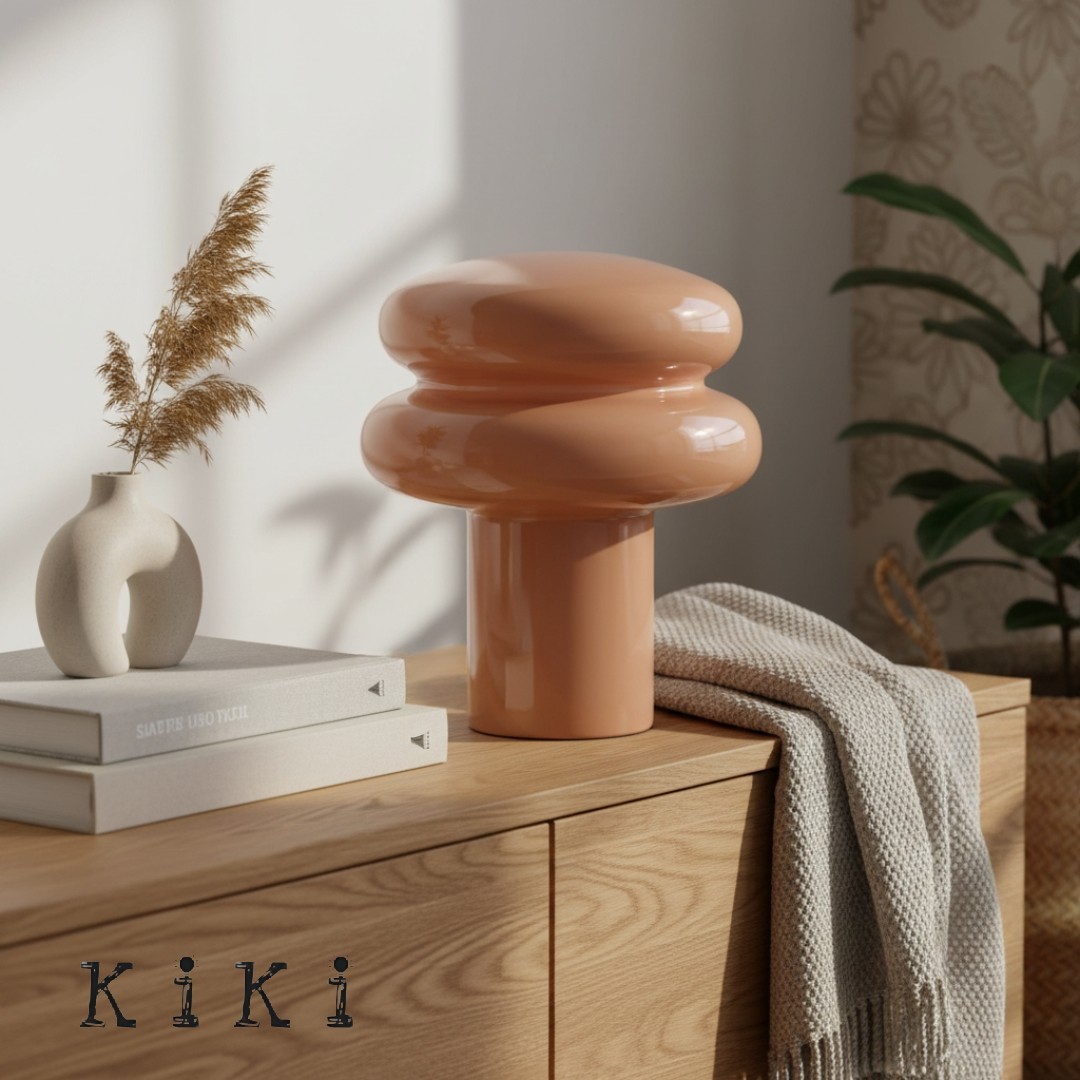
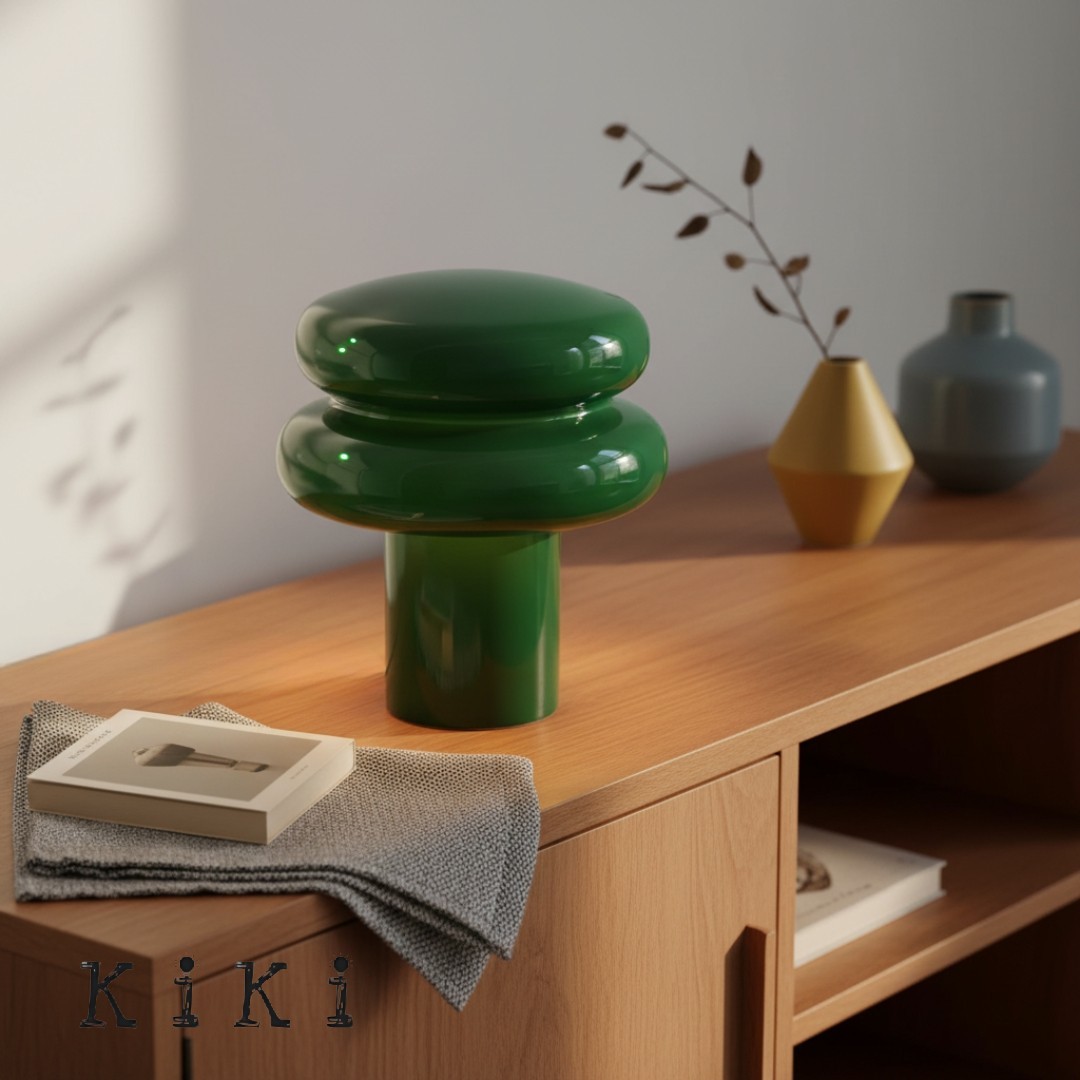
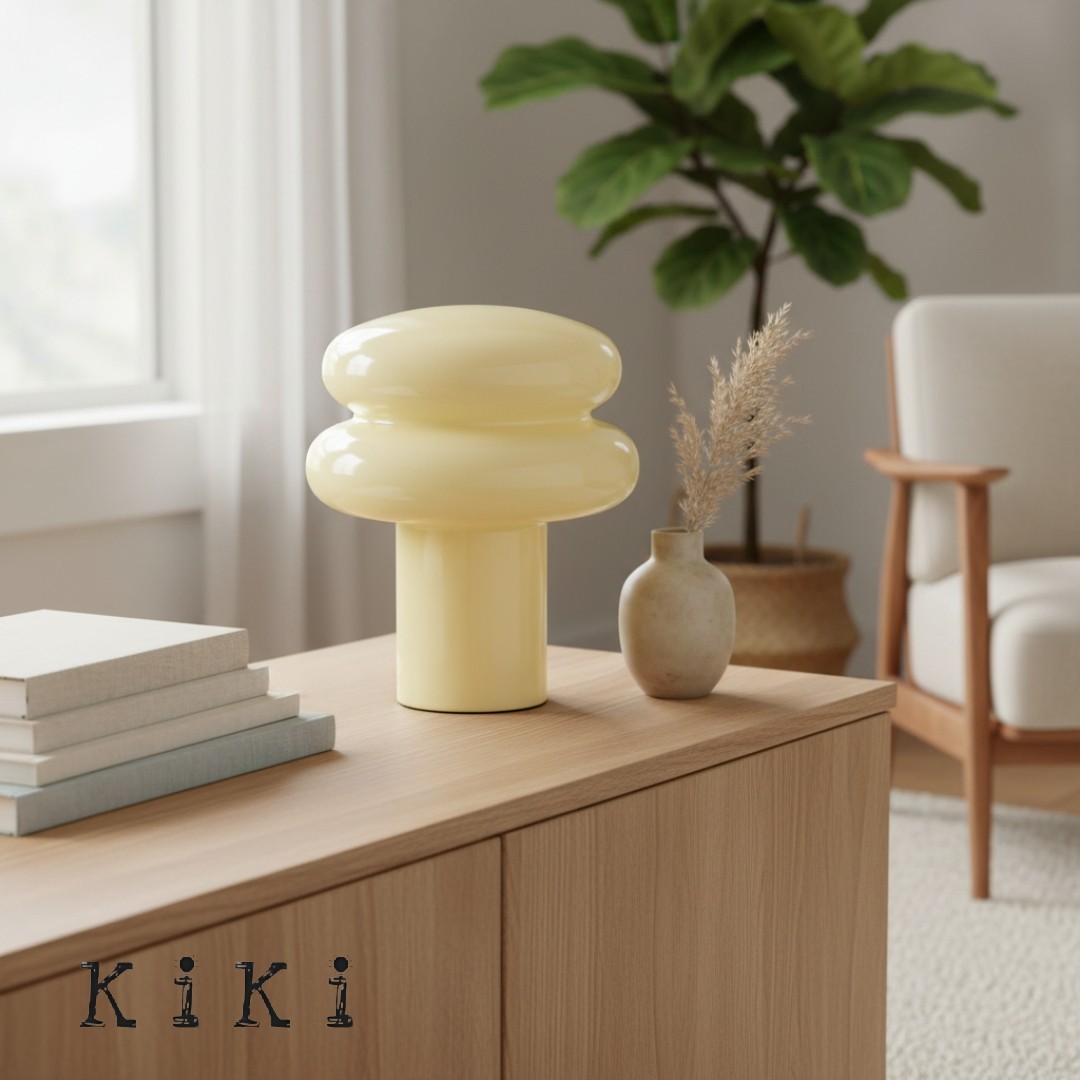
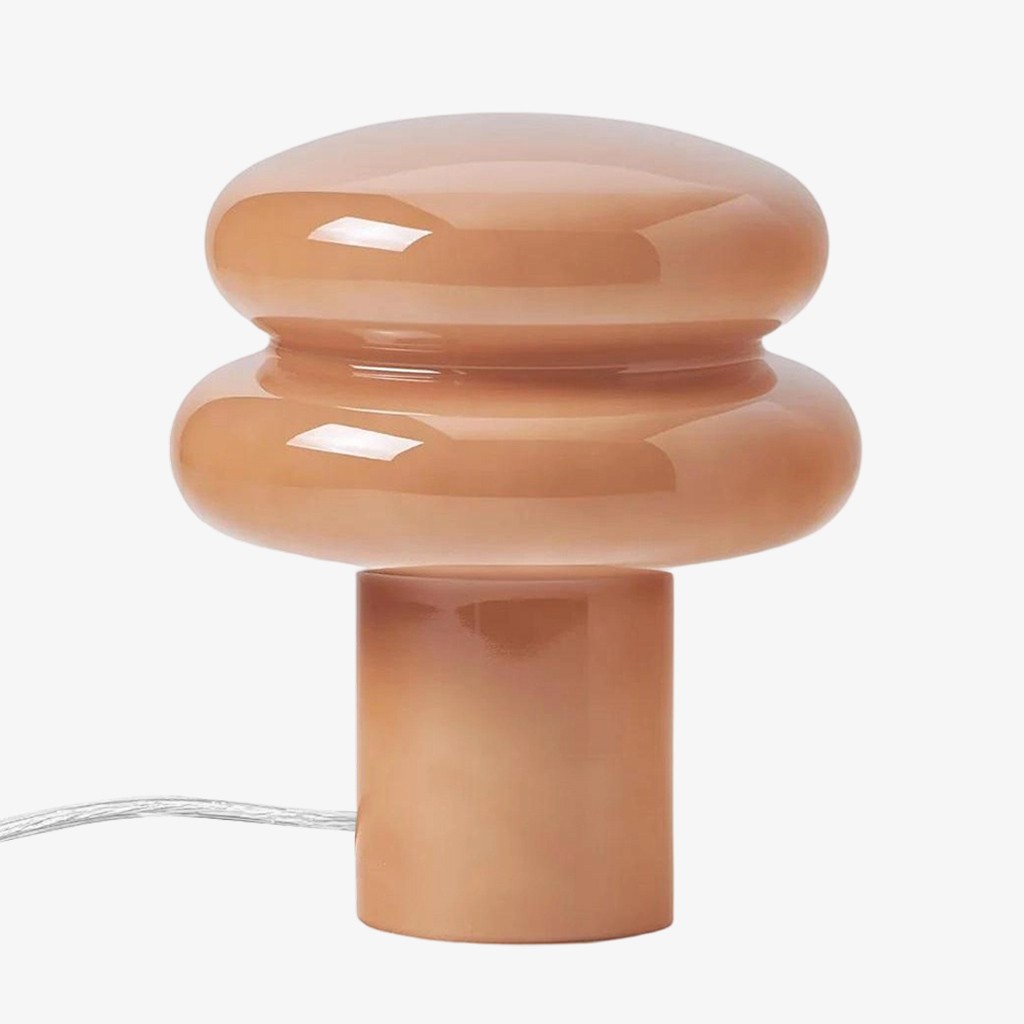
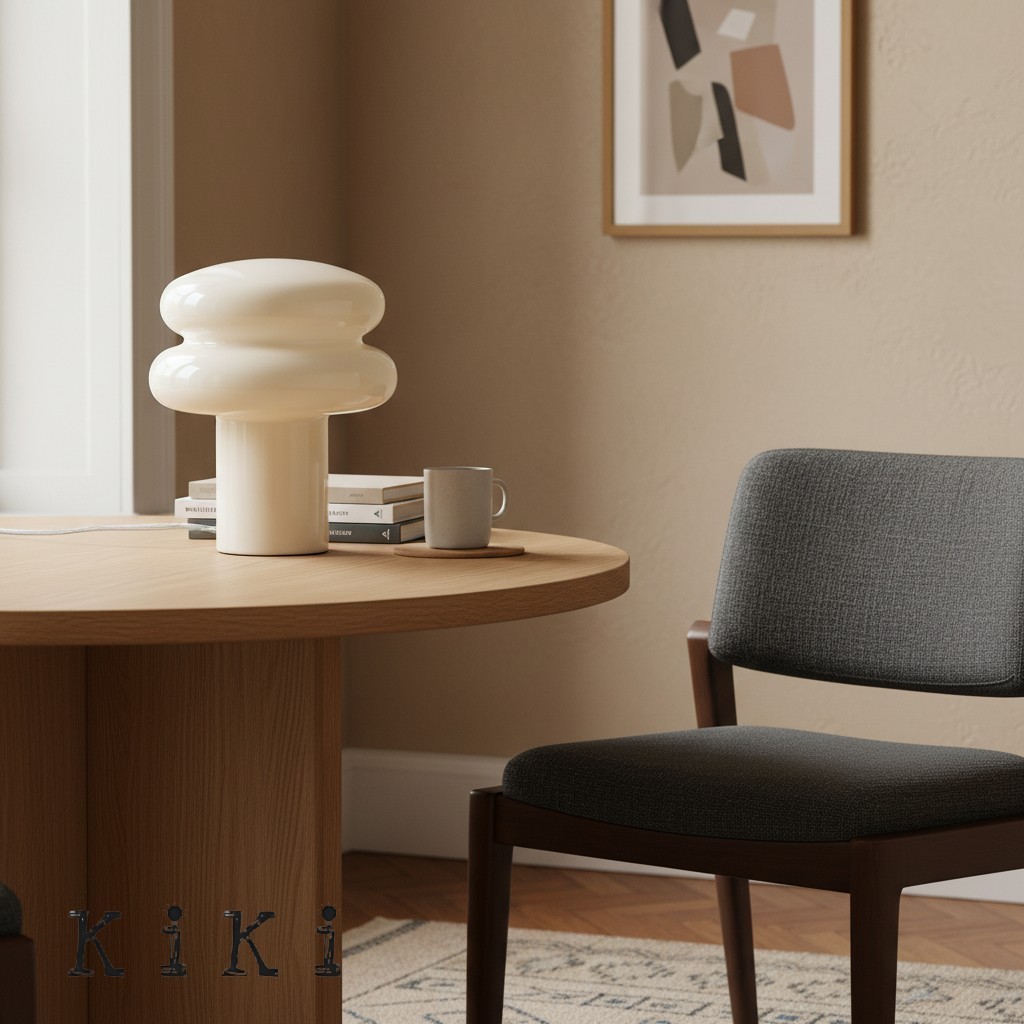
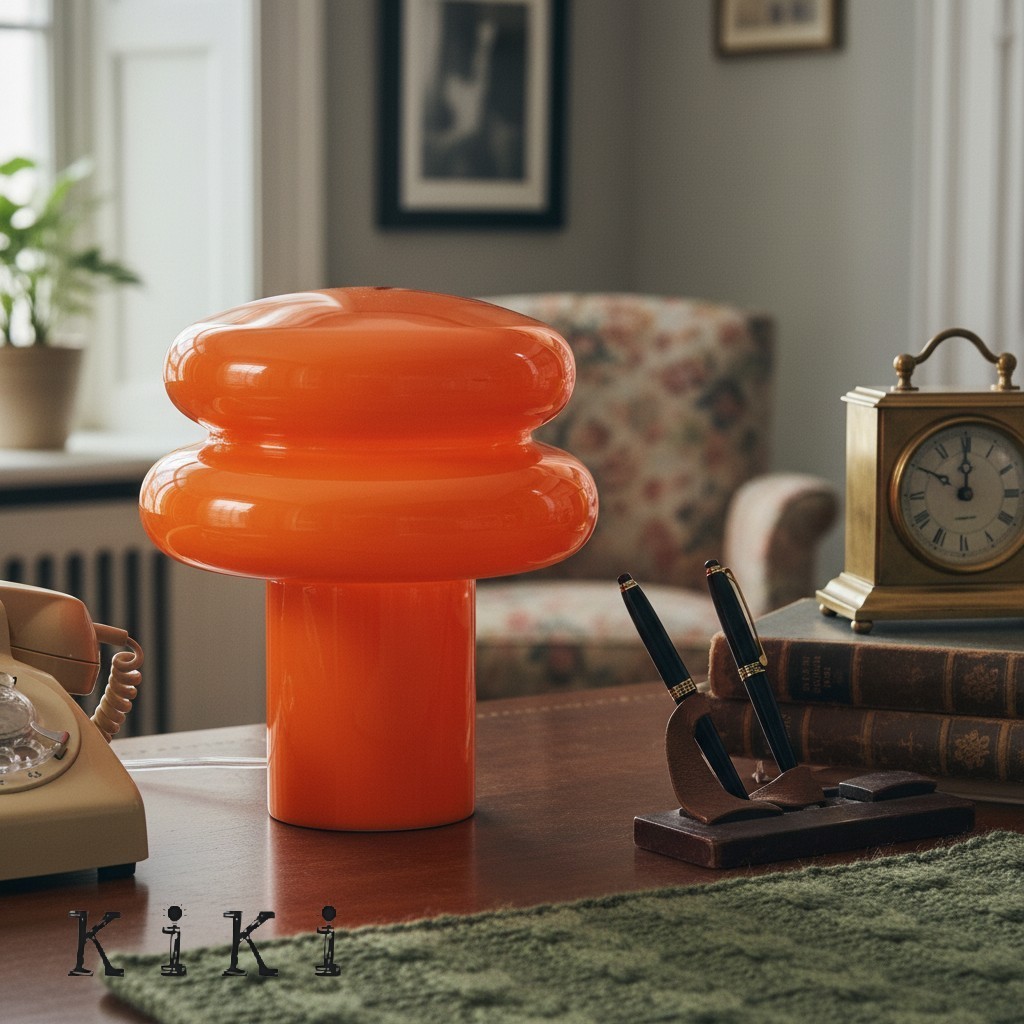
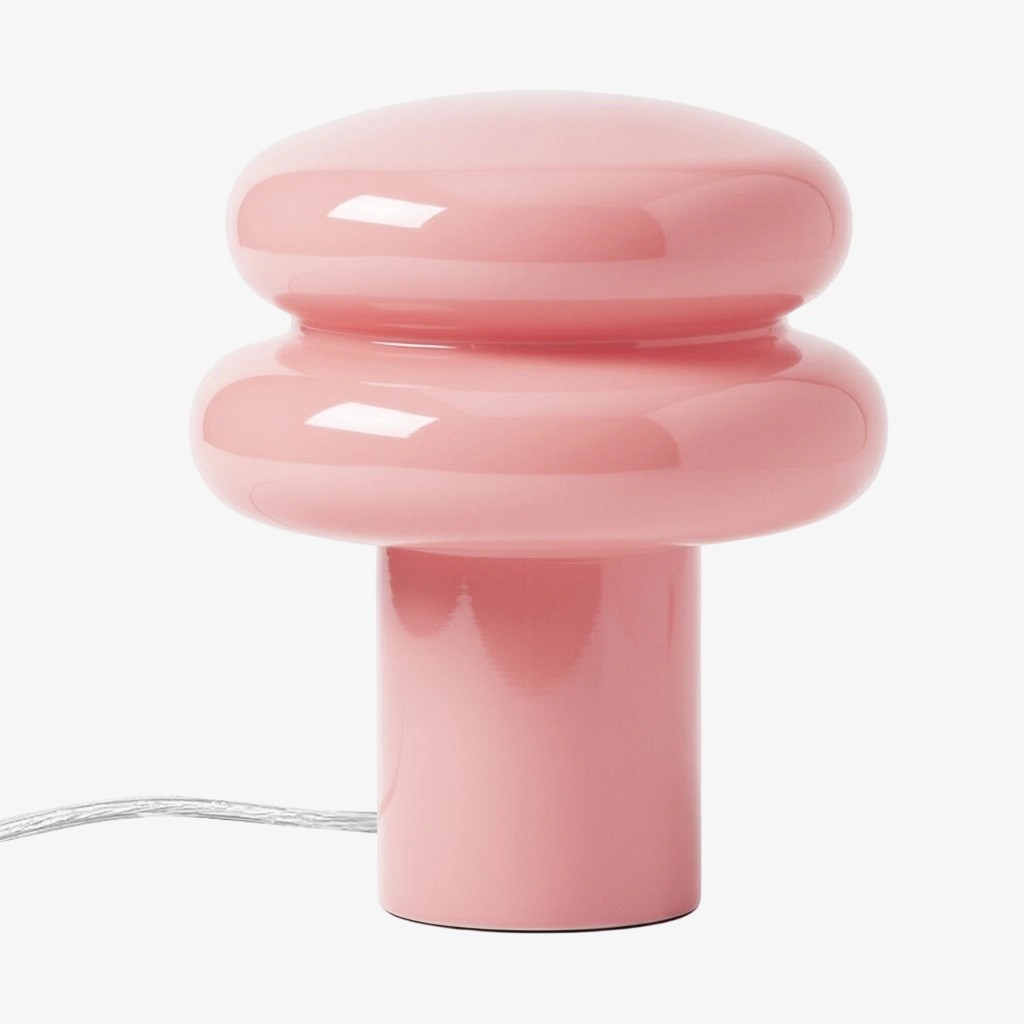
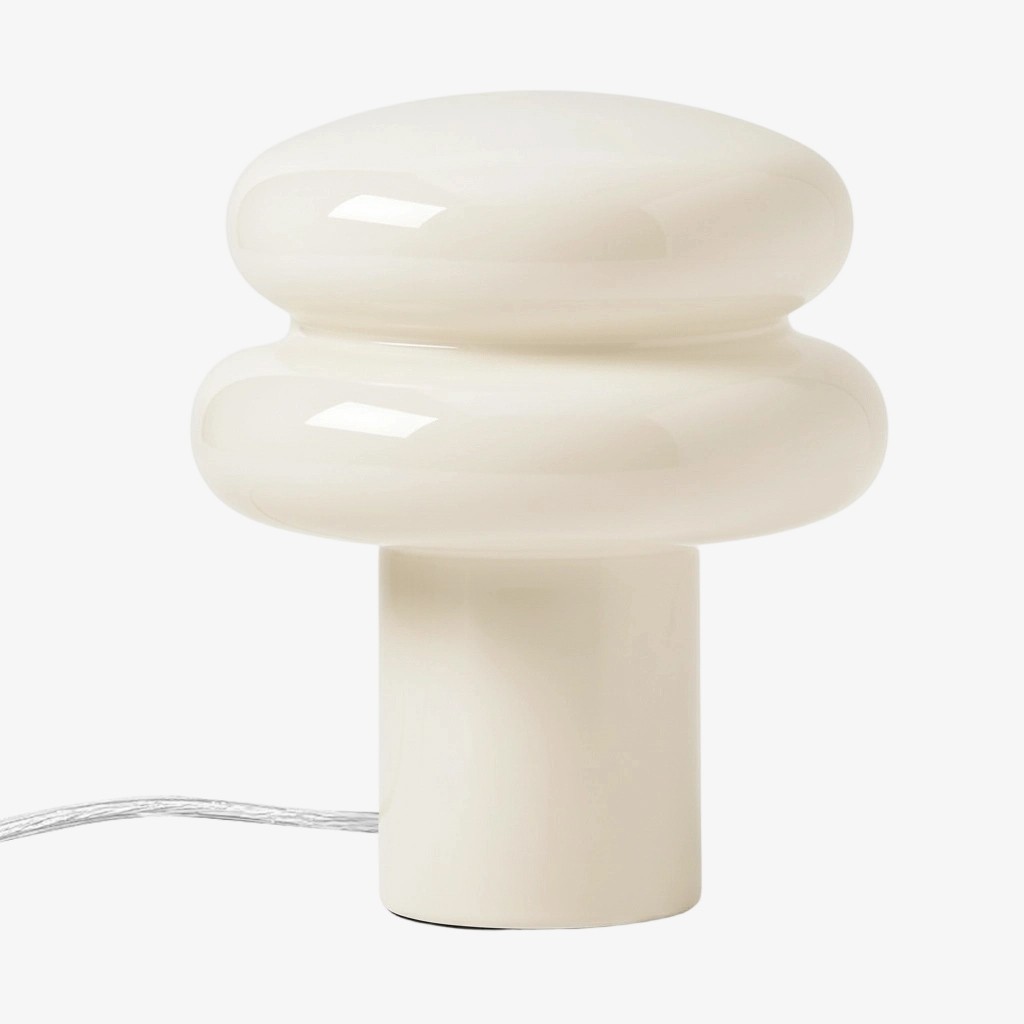
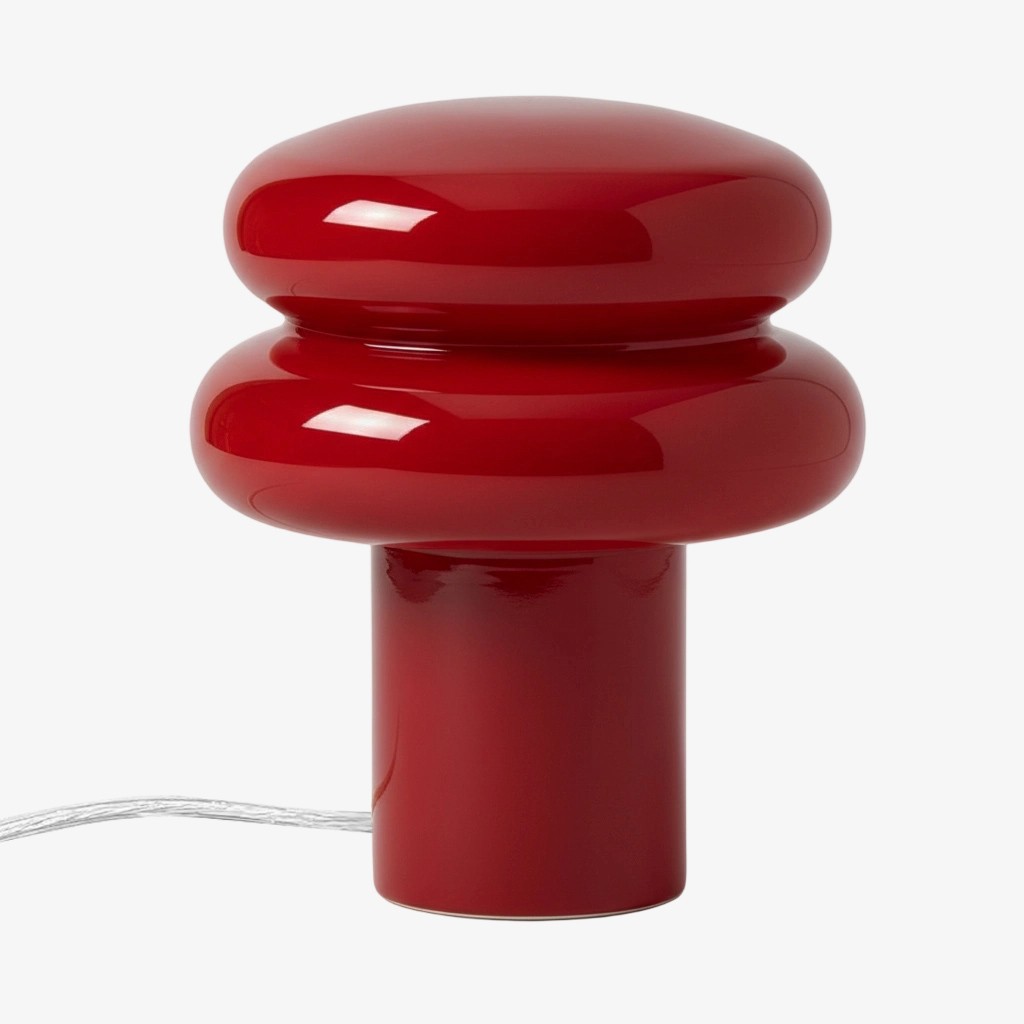
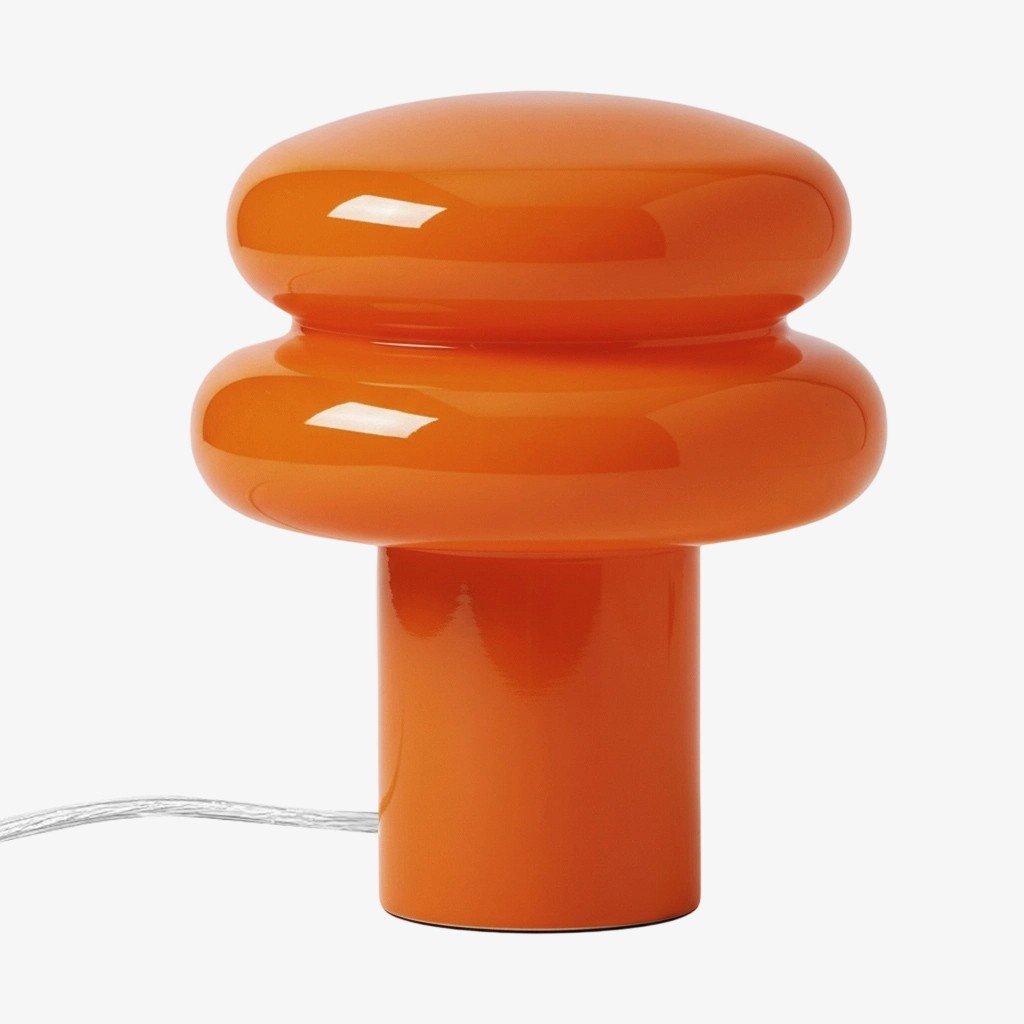
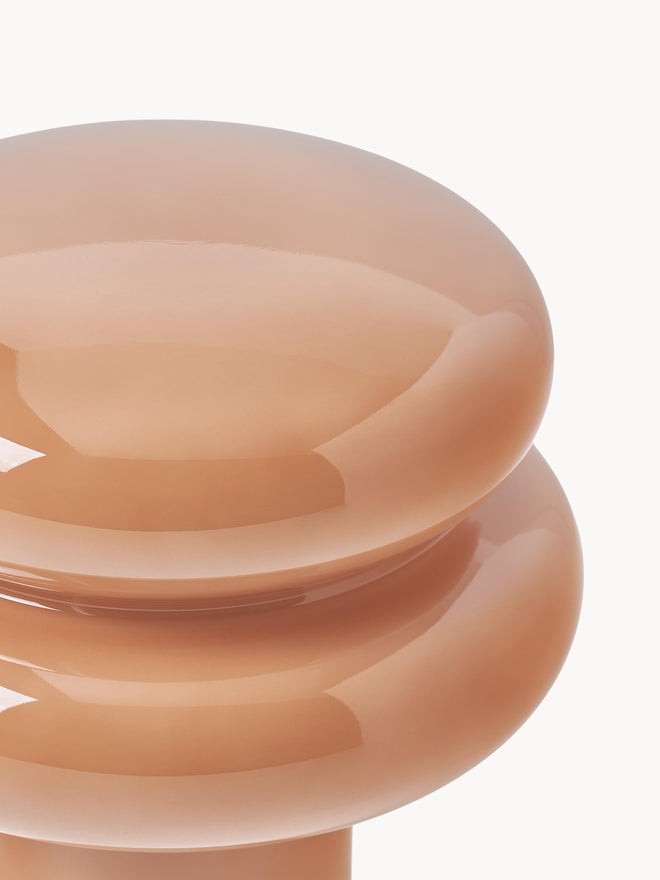
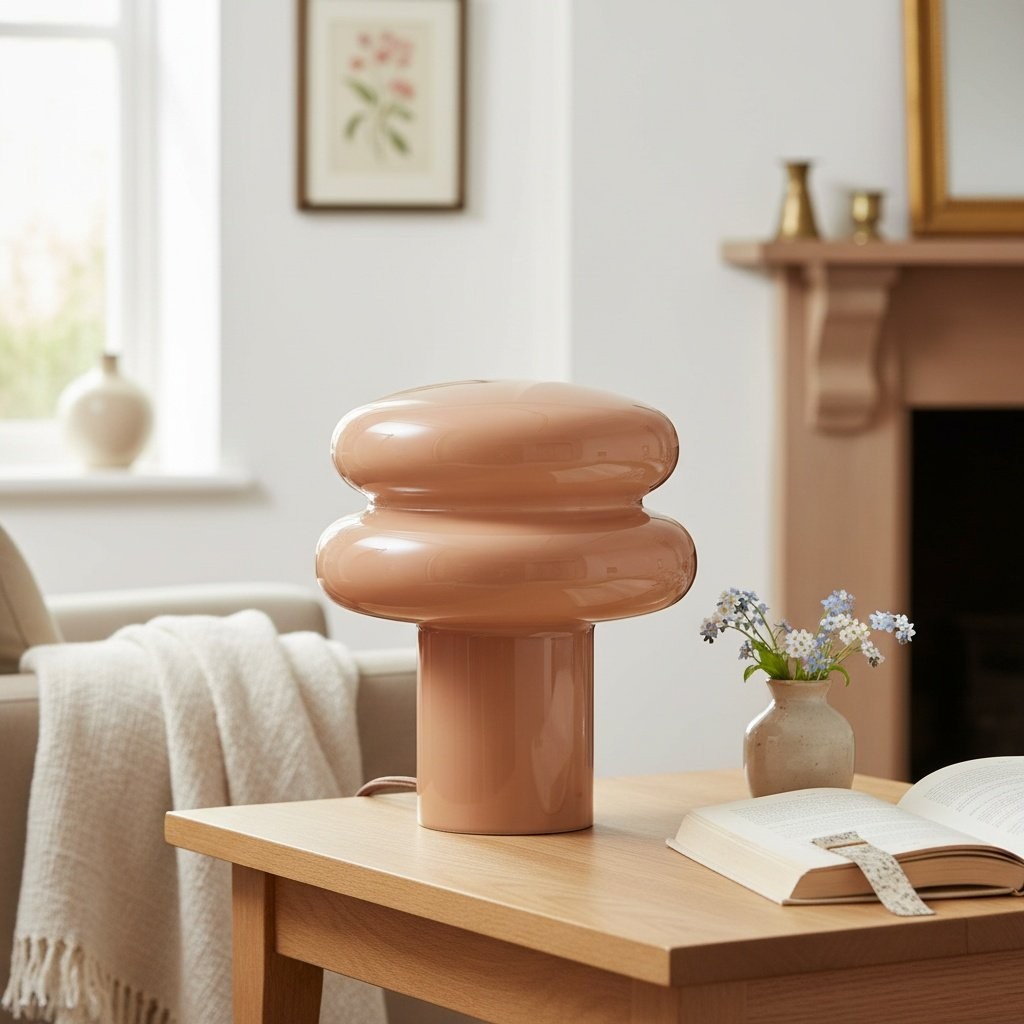
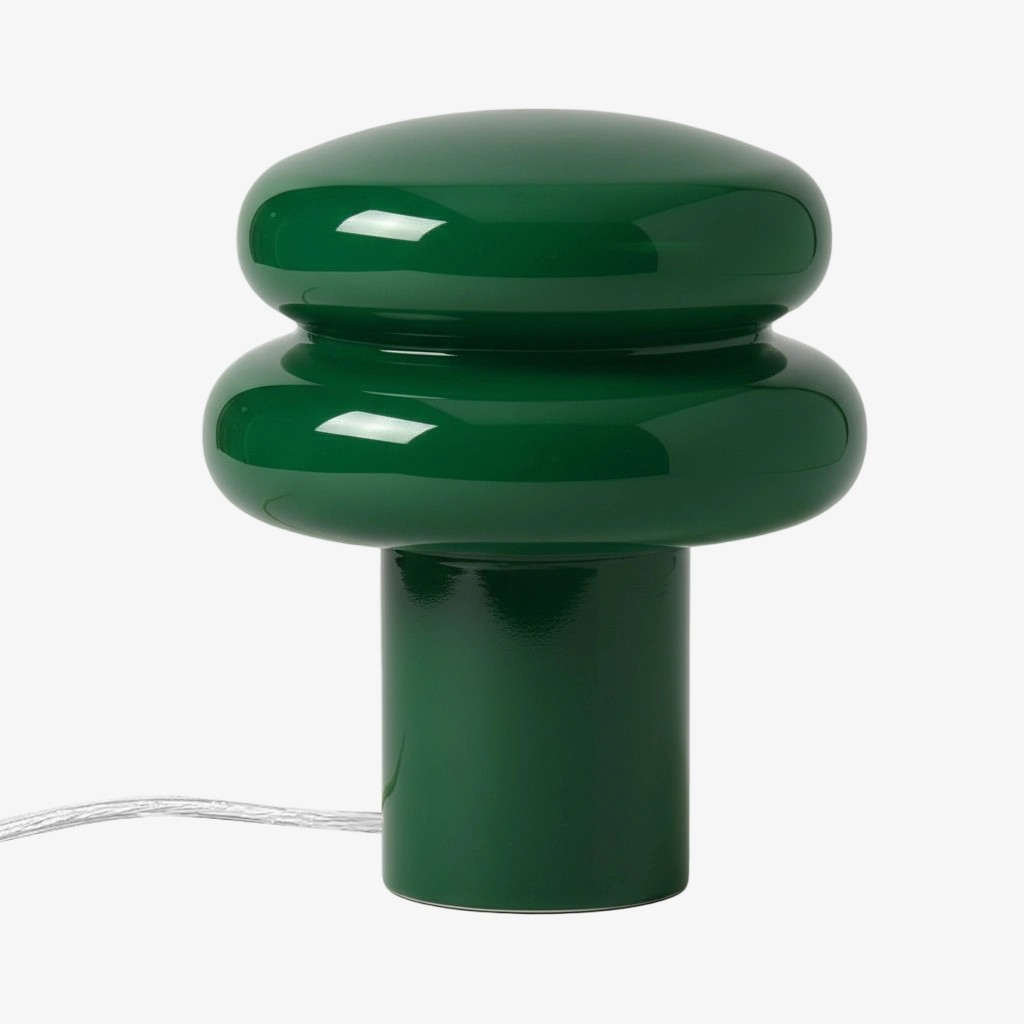
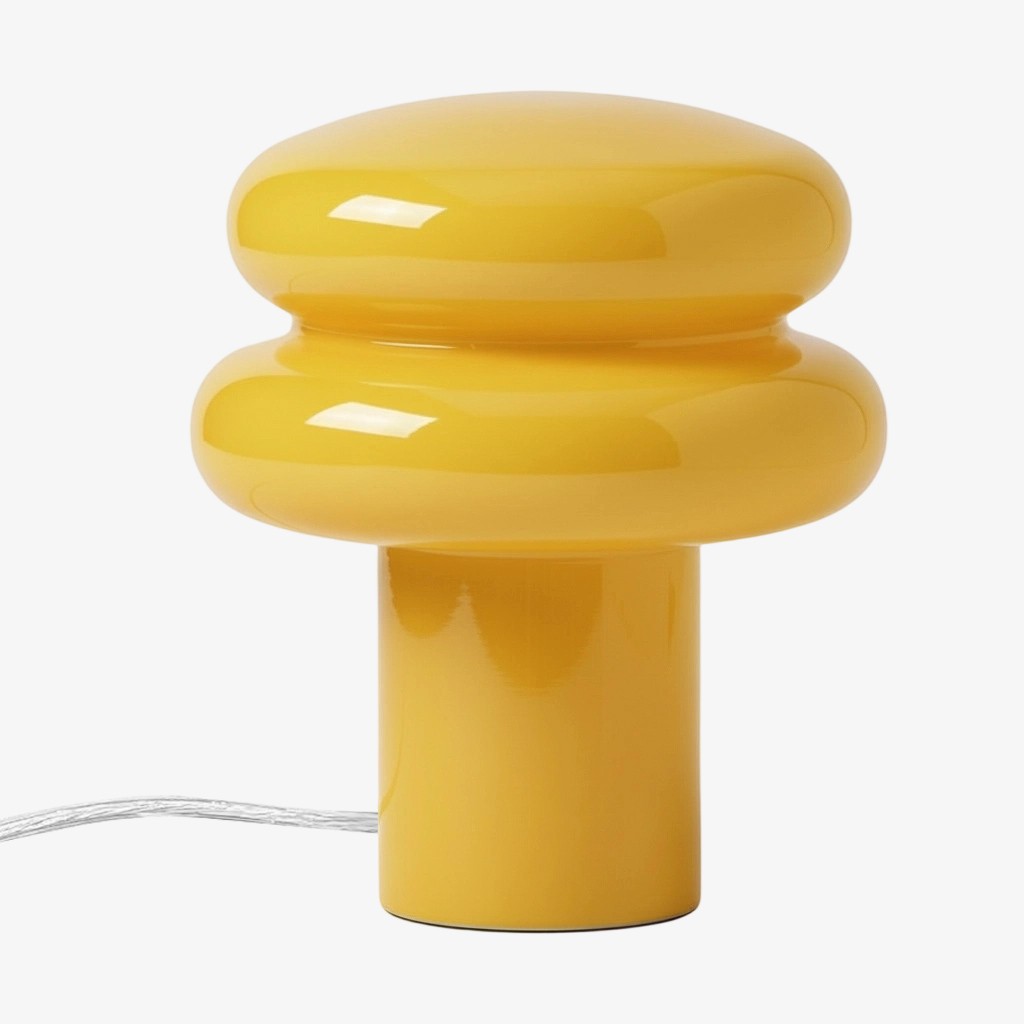
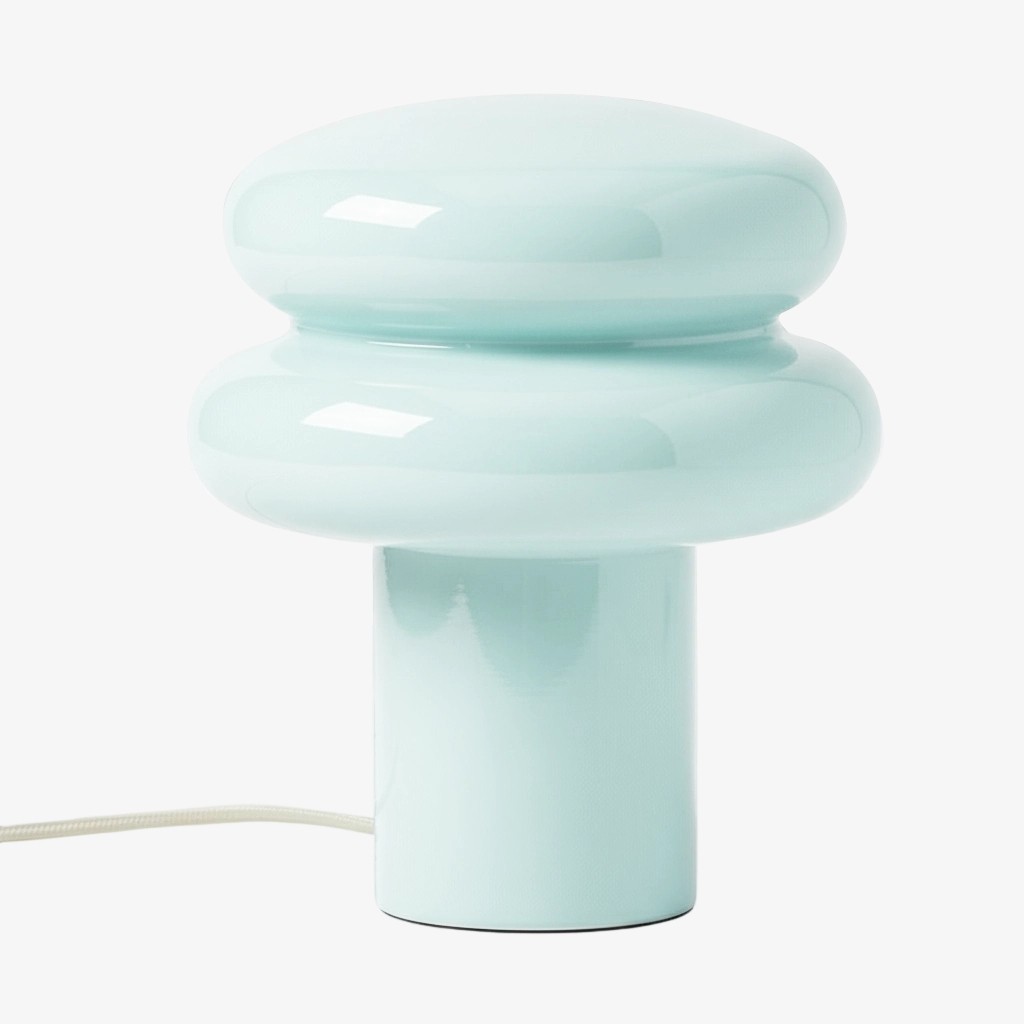
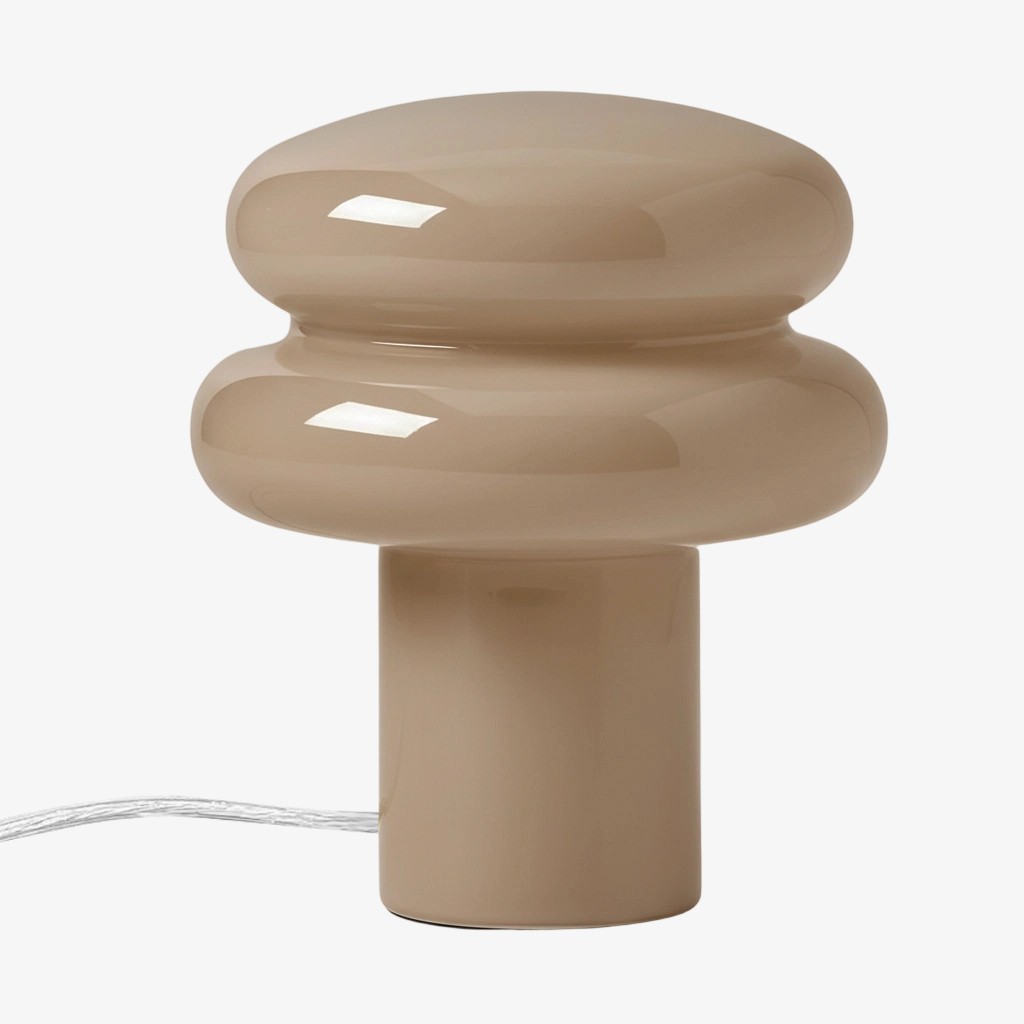
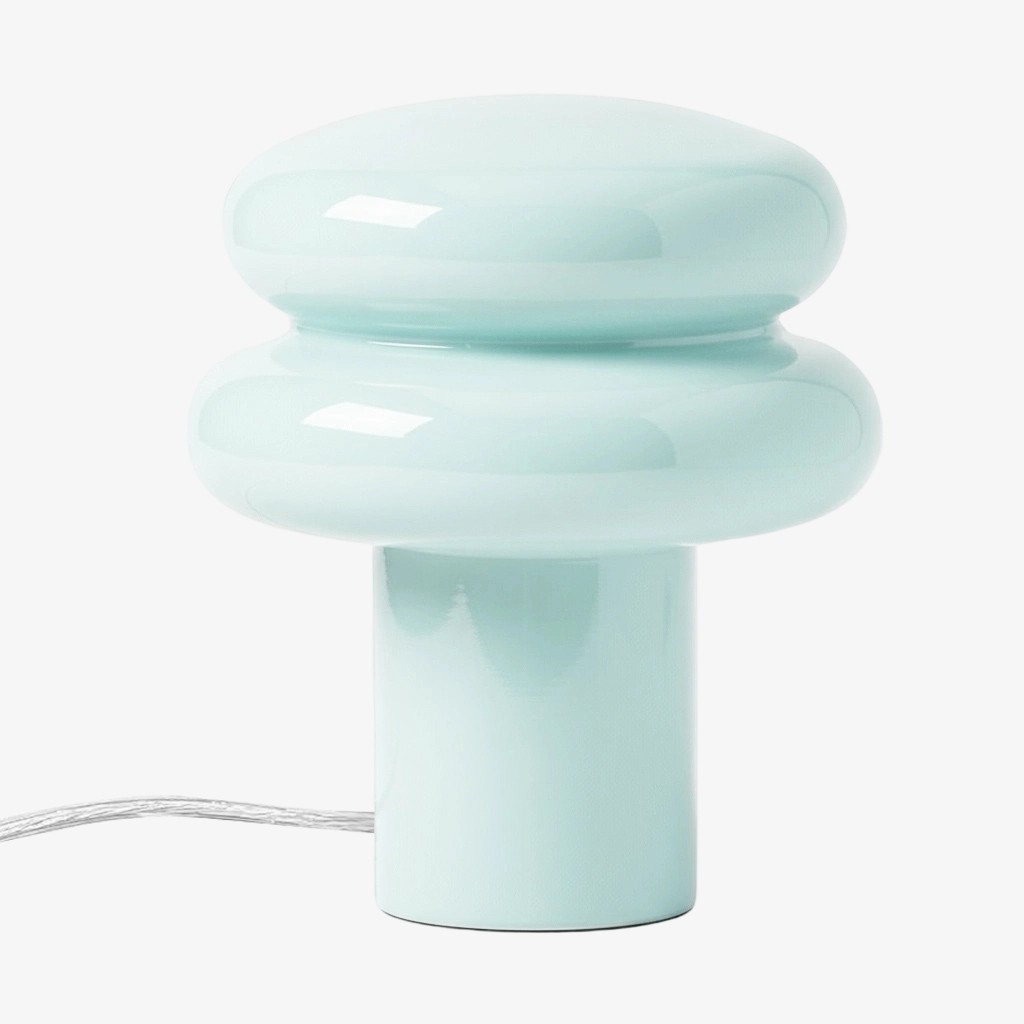
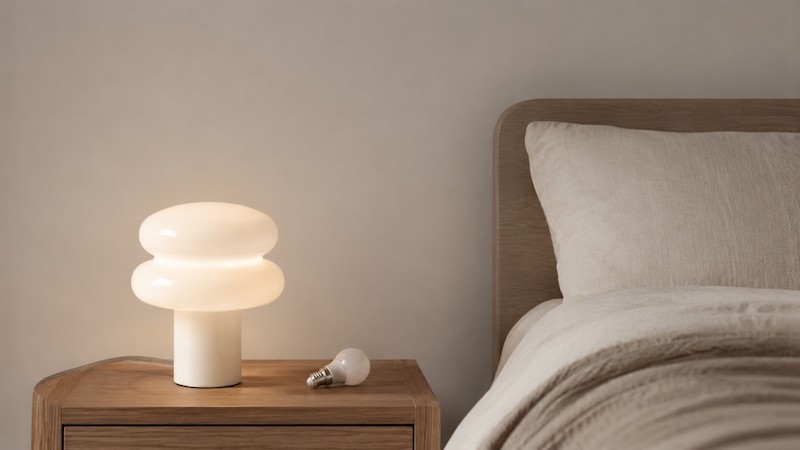
For the Orra Mushroom Glass Table Lamp, the verified starting facts are a 9 cm diameter, 20 cm height, glass construction, E14 socket, bulb not included, push-button on/off switch, and non-dimmable fixture. The product page does not publish the shade clearance or maximum bulb wattage, so those details must be checked before buying a specific bulb.
Start With Six Compatibility Checks
Think of compatibility as a sequence rather than a single label. A bulb can have the correct screw base and still be too long, too wide, electrically unsuitable, too hot for the enclosure, too bright for the viewing position, or incompatible with the control system.
Use this order: socket/base, physical clearance, voltage and fixture limits, heat and enclosure guidance, light output and colour temperature, then dimming or smart control. The order prevents a common mistake: choosing a fashionable smart bulb before confirming that it can actually sit safely inside the shade.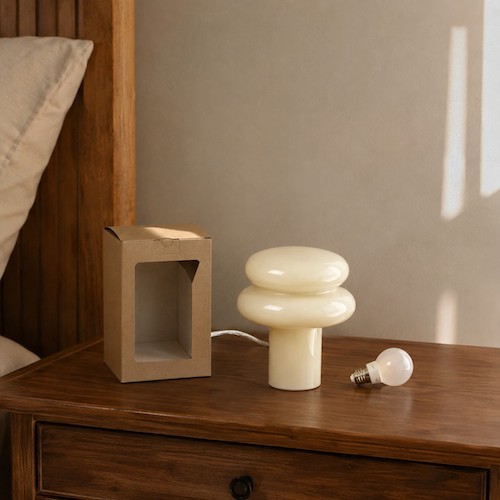
E14 Is the Base, Not the Whole Bulb Size
E14 identifies the screw base diameter, not the full glass envelope. Two E14 LED bulbs may have very different overall lengths, diameters, heat-sink shapes and light distributions. A base can screw in correctly while the bulb presses against the glass, blocks the shade from seating, or leaves a bright point in an uncomfortable position.
Because the Orra product page does not state an internal clearance, do not treat a bulb family name such as candle, golf-ball, capsule or globe as a guaranteed fit. Measure the lamp opening and the interior space you can access without forcing the glass. Article B2-1 expands this into a step-by-step E14 fit check.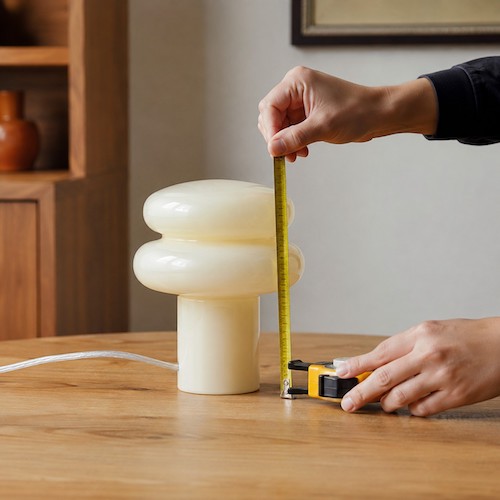
Choose Lumens by Task, Not Watts
Brightness is light output, and it is measured in lumens rather than watts. ENERGY STAR’s guidance on measuring brightness in lumens explains why the old watt number is a poor comparison when you are choosing LEDs. Use the lumen value on the package as the starting point, then judge the finished lamp with the shade installed.
A small opal glass lamp can serve as a night light, a soft ambient layer, or a close bedside task light. Those jobs do not need the same output. A lower-lumen bulb may be more comfortable for winding down, while a brighter option may be useful for finding items or short reading. The shade changes distribution, so the package number is not the same as the light that reaches your page or bedside surface.
Choose Kelvin for the Room and Routine
Kelvin describes the apparent colour of white light, not its brightness. A government lighting guide to correlated colour temperature lists roughly 2700–3200 K as warm white, around 4100 K as cool white, and 5500–6500 K as daylight. Warm white usually supports a relaxed bedroom or living room mood; cooler light can look more alert but may feel clinical at night.
Keep the two decisions separate. Do not assume a 3000 K bulb is brighter than a 2700 K bulb, or that a higher Kelvin value will solve a dim page. Pick the lumen range for the activity, then pick the Kelvin range that suits the room, bedding, wall colour and time of day.
Use the Opal Shade as a Diffuser, Not a Guarantee
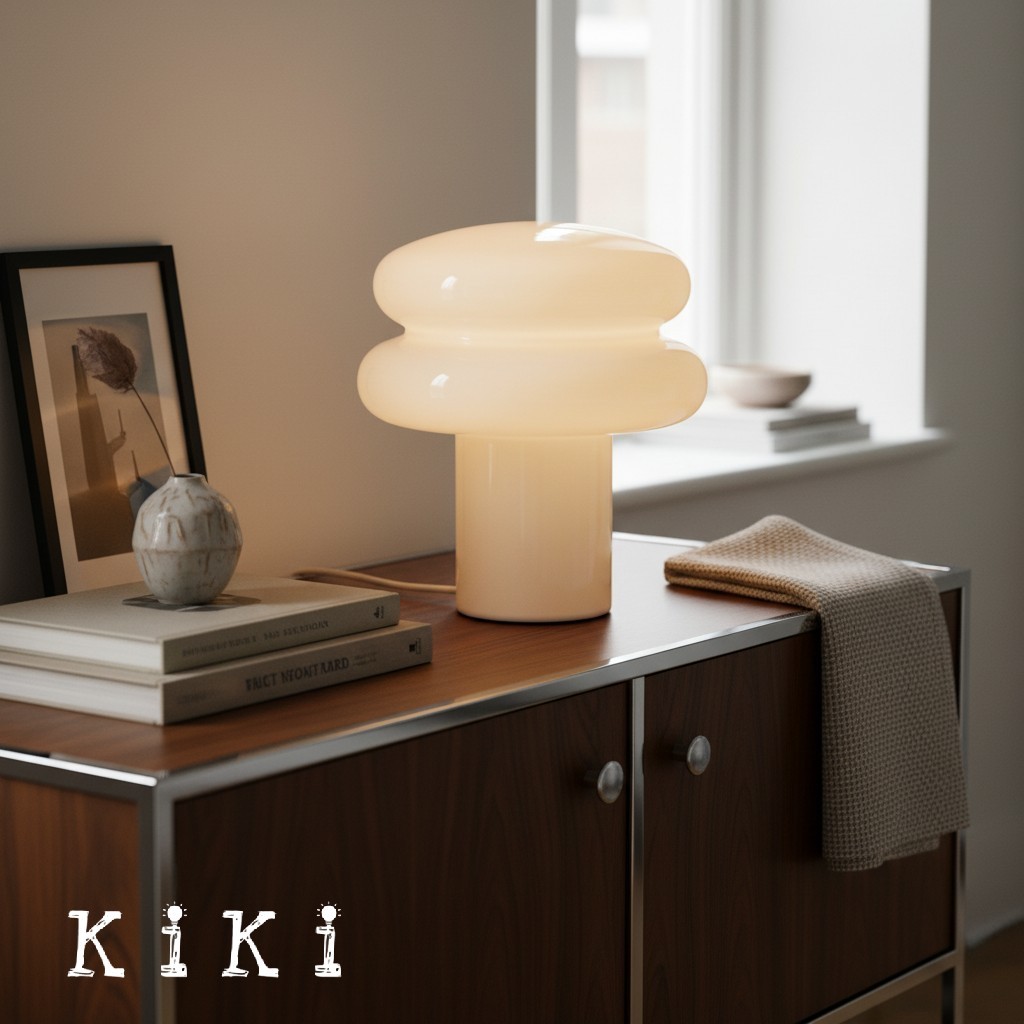
Opal glass softens and spreads the visible source, but it does not guarantee glare-free lighting. The CIE definition of glare describes discomfort or reduced ability to see details caused by unsuitable luminance distribution, range or extreme contrast. In a bedside setting, your viewing angle and the brightness of the surrounding room matter as much as the bulb’s lumen label.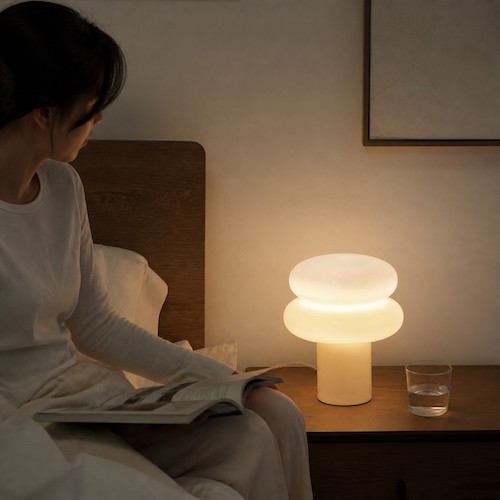
Sit where you normally sit or recline, look toward the lamp without leaning, and check whether a concentrated bright area enters your direct view. If the shade is bright while the book remains dark, increasing output may increase discomfort rather than improve the task. Move the lamp, change the bulb, add another layer of light, or assign reading to a separate adjustable fixture.
When a Smart E14 Bulb Makes Sense
An E14 smart bulb can be useful when you want app-based brightness changes, schedules or scenes and the lamp can remain powered. The smart electronics inside the bulb perform the brightness change; they do not change the Orra fixture’s product specification. The lamp remains an on/off fixture with a push-button switch and is still described as non-dimmable.
Before choosing a smart bulb, confirm E14 fit, voltage, heat guidance, network requirements and power-restore behaviour. Keep the physical switch on for remote control. Article B2-3 covers the difference between a smart bulb, a hardware dimmer and a smart plug in more detail.
A Five-Minute Bulb Buying Checklist
Before ordering, write down the lamp model, socket, available clearance, local voltage, intended task and preferred colour. Save a photo of the lamp label and the bulb package so you can compare them later. If a specification is missing, ask the lamp maker or choose a bulb whose manufacturer clearly states the required condition.
The practical winner is the bulb that fits safely, gives enough useful light without a harsh bright spot, suits the room’s colour, and remains controllable in your routine. There is no universal “best” E14 bulb independent of the shade and the person using it.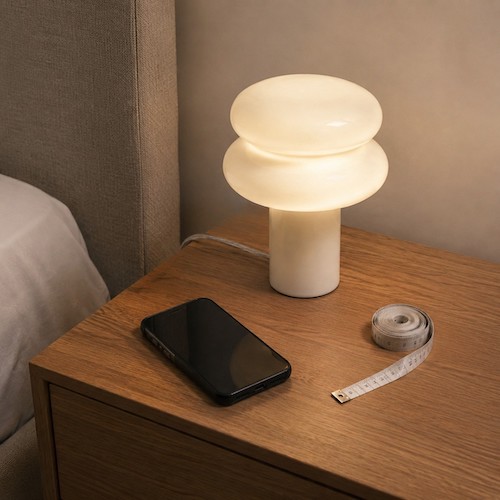
Frequently Asked Questions
Is E14 enough to guarantee that a bulb will fit?
No. E14 identifies the base. You must still check the bulb’s total length, diameter, insertion path, electrical rating and the lamp’s available clearance.
Are lumens or watts more useful for choosing an LED bulb?
Lumens are the useful brightness comparison. Watts describe energy use, so use the package lumen value first and then confirm the lamp’s wattage limit.
Does opal glass eliminate glare?
No. It can diffuse the source, but glare still depends on brightness distribution, contrast, viewing angle and the rest of the room.
Can an E14 smart bulb dim this lamp?
A compatible smart bulb may dim itself through an app while continuously powered. That does not make the fixture itself dimmable, and the physical switch must remain on for remote control.
What should I do if the product page does not list bulb clearance?
Measure the shade and ask the manufacturer before choosing a specific bulb shape or size. Do not infer fit from the E14 label alone.