The Practical Answer
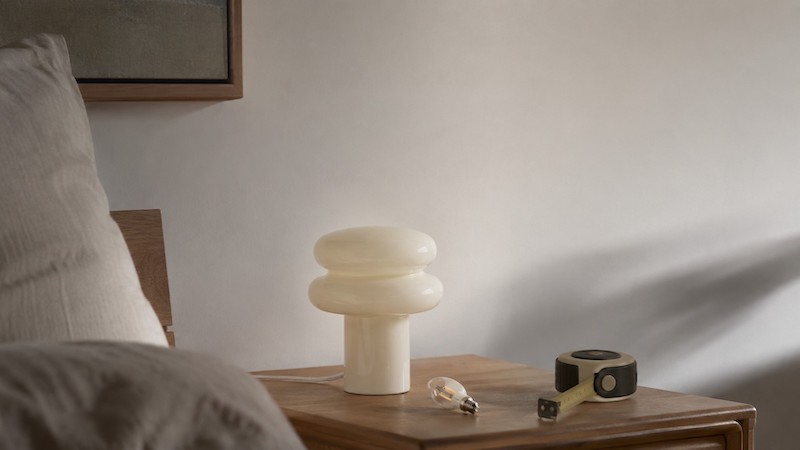
Choose an E14 LED bulb in two passes. First prove that the base and physical envelope fit the lamp. Then choose the light output, colour and control features that match the way you use the room. E14 is a socket specification, not a promise that every E14 bulb will fit every small shade.
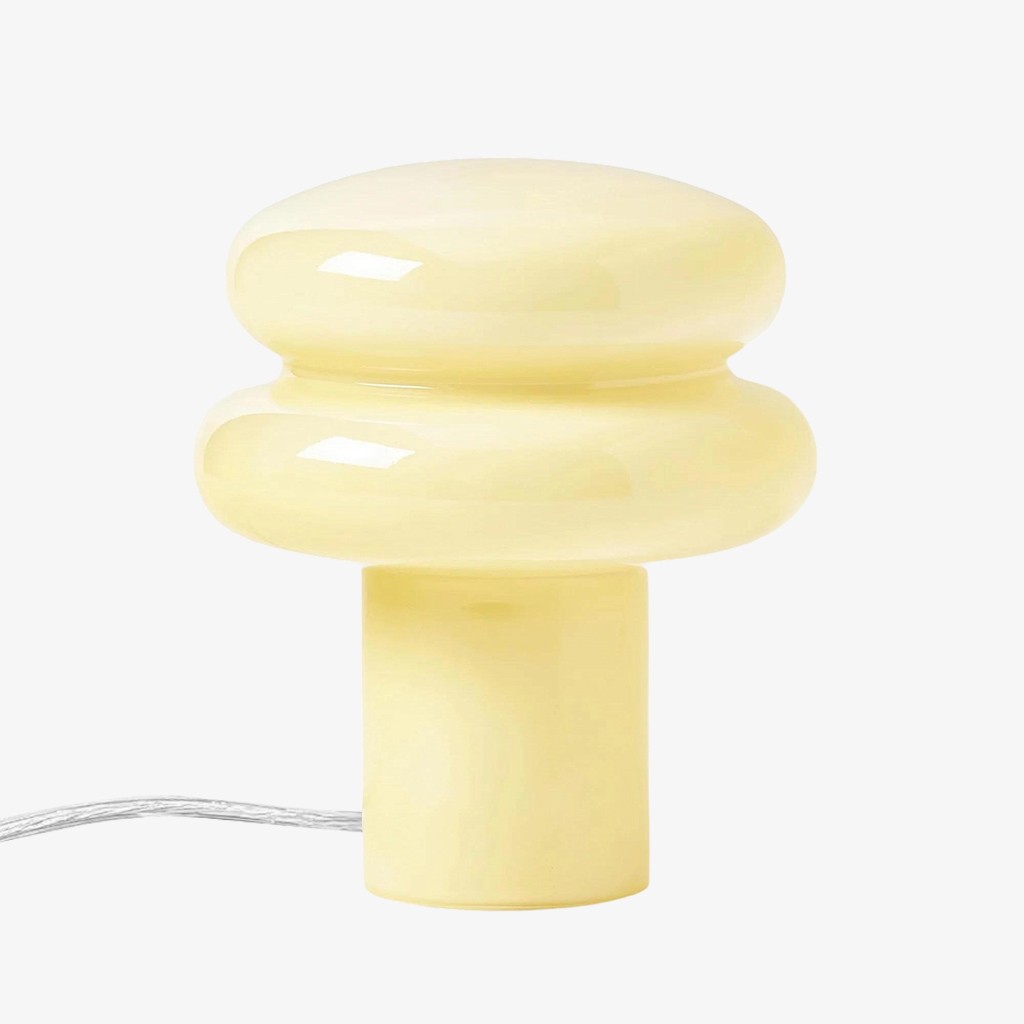
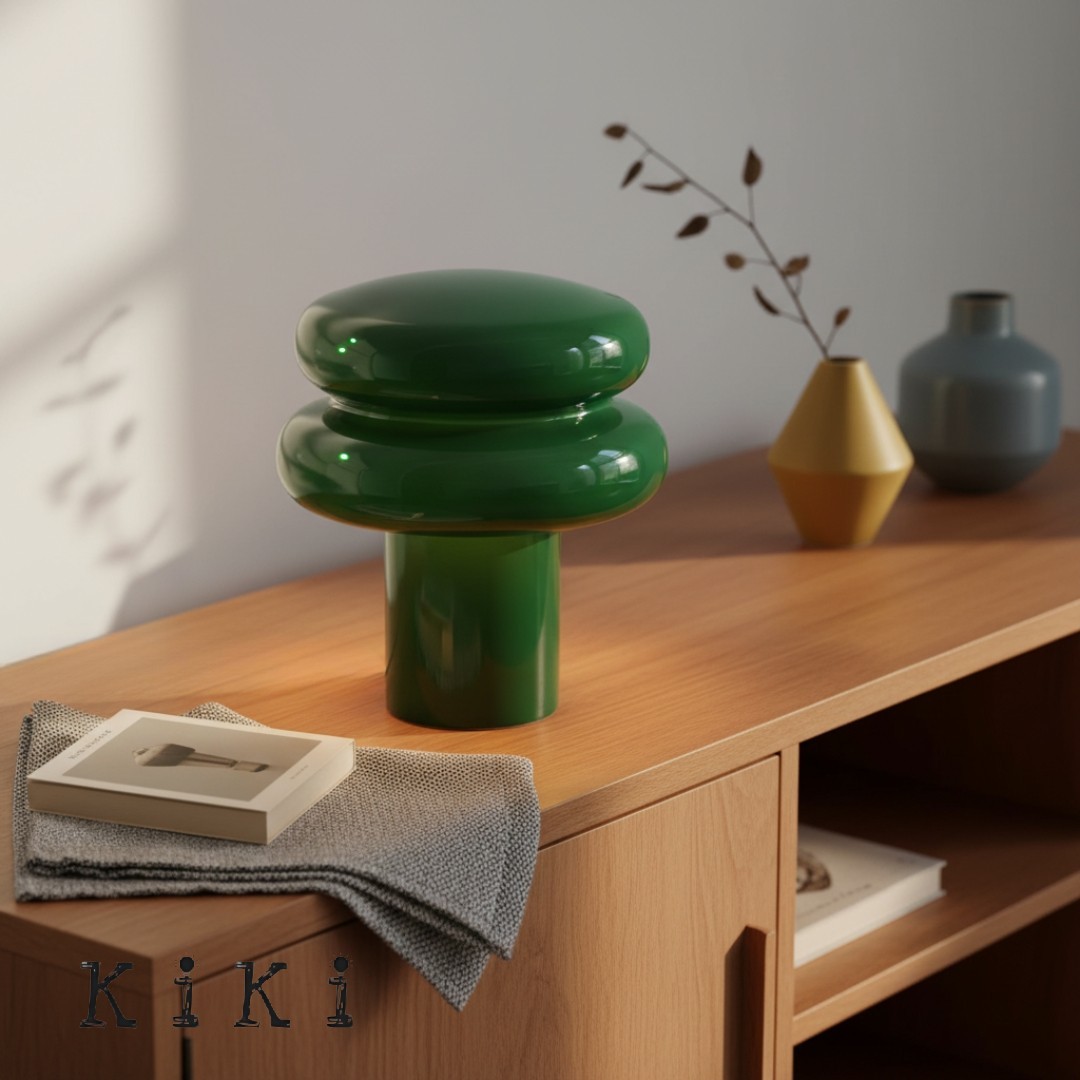
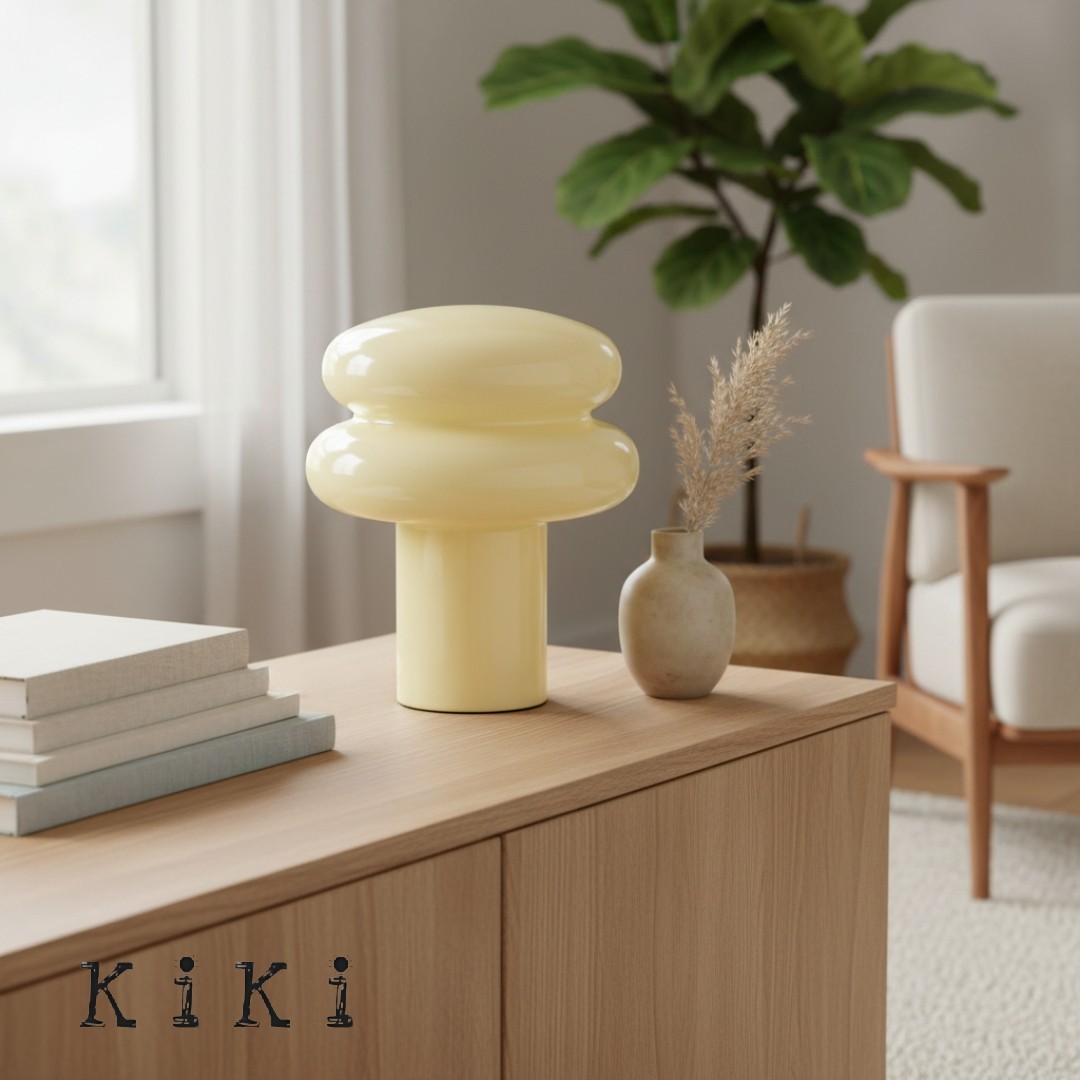
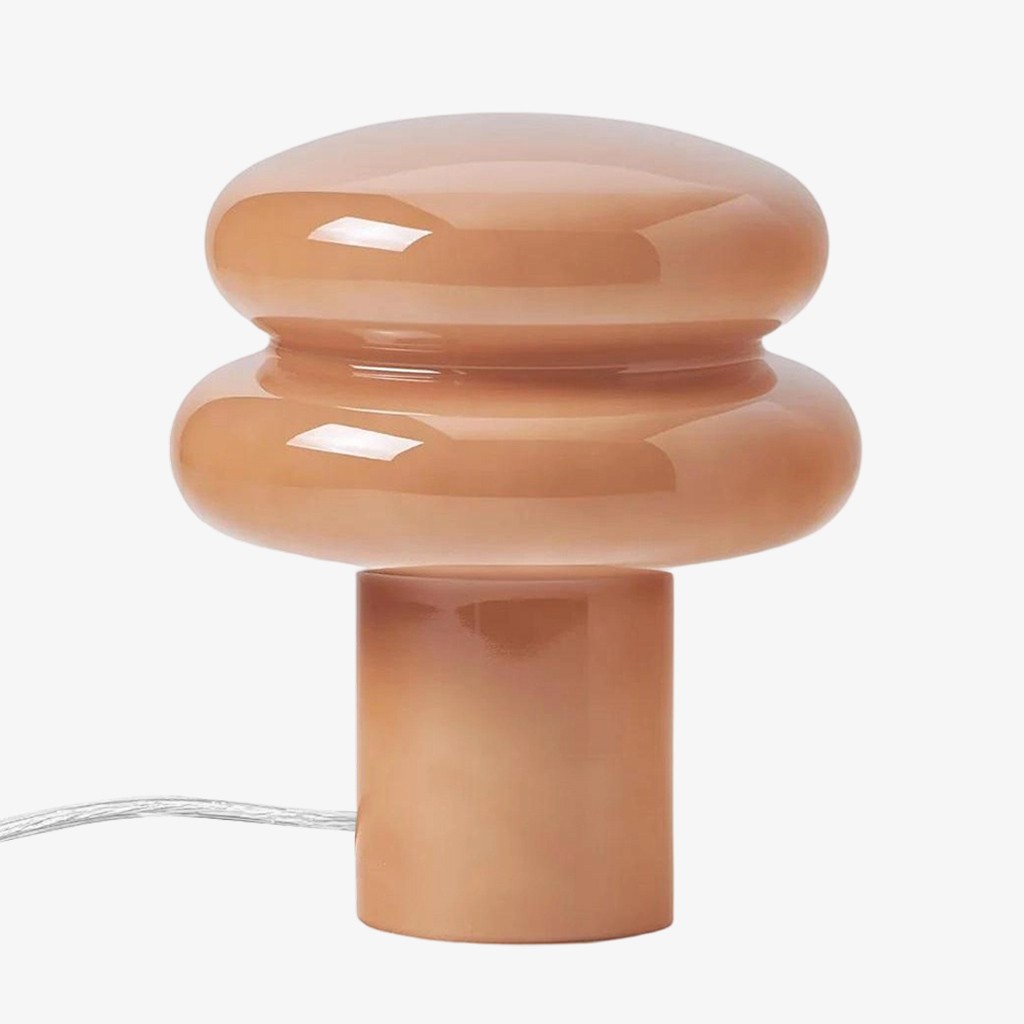
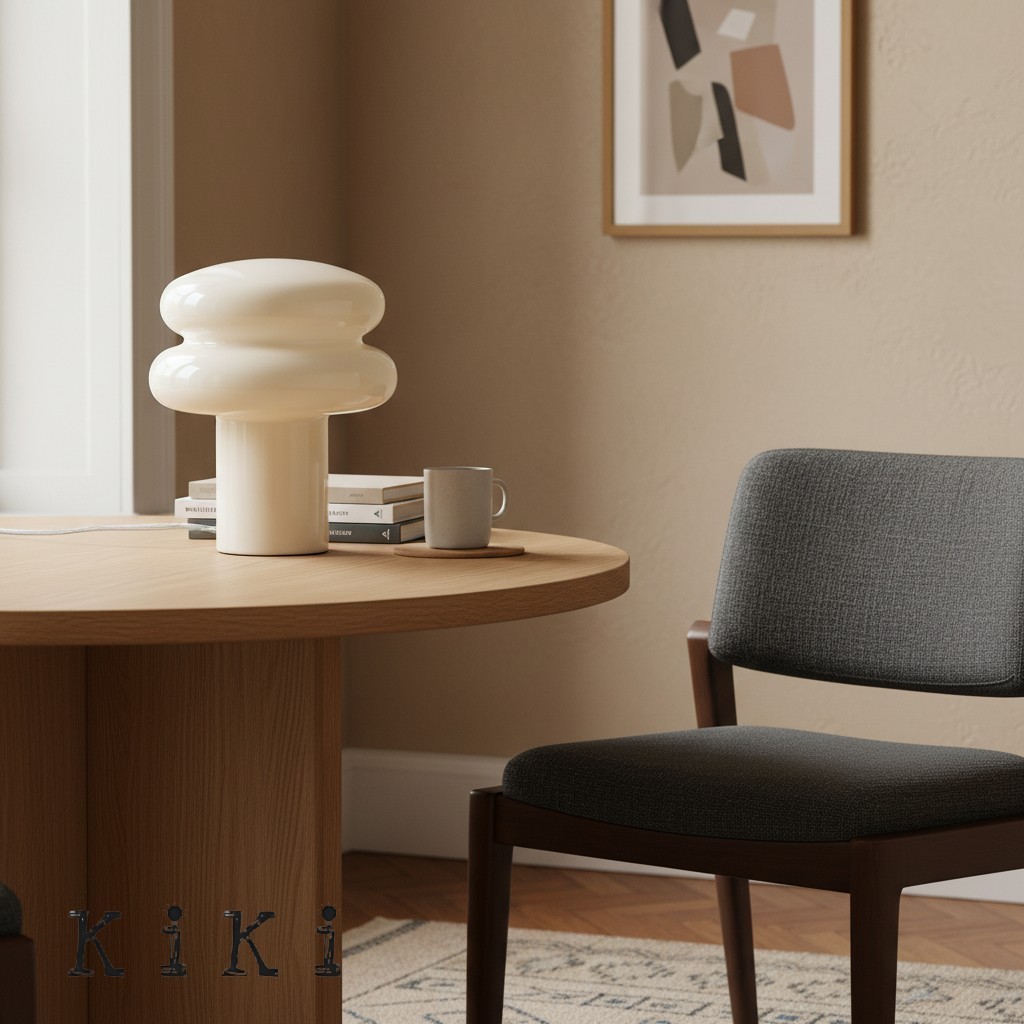
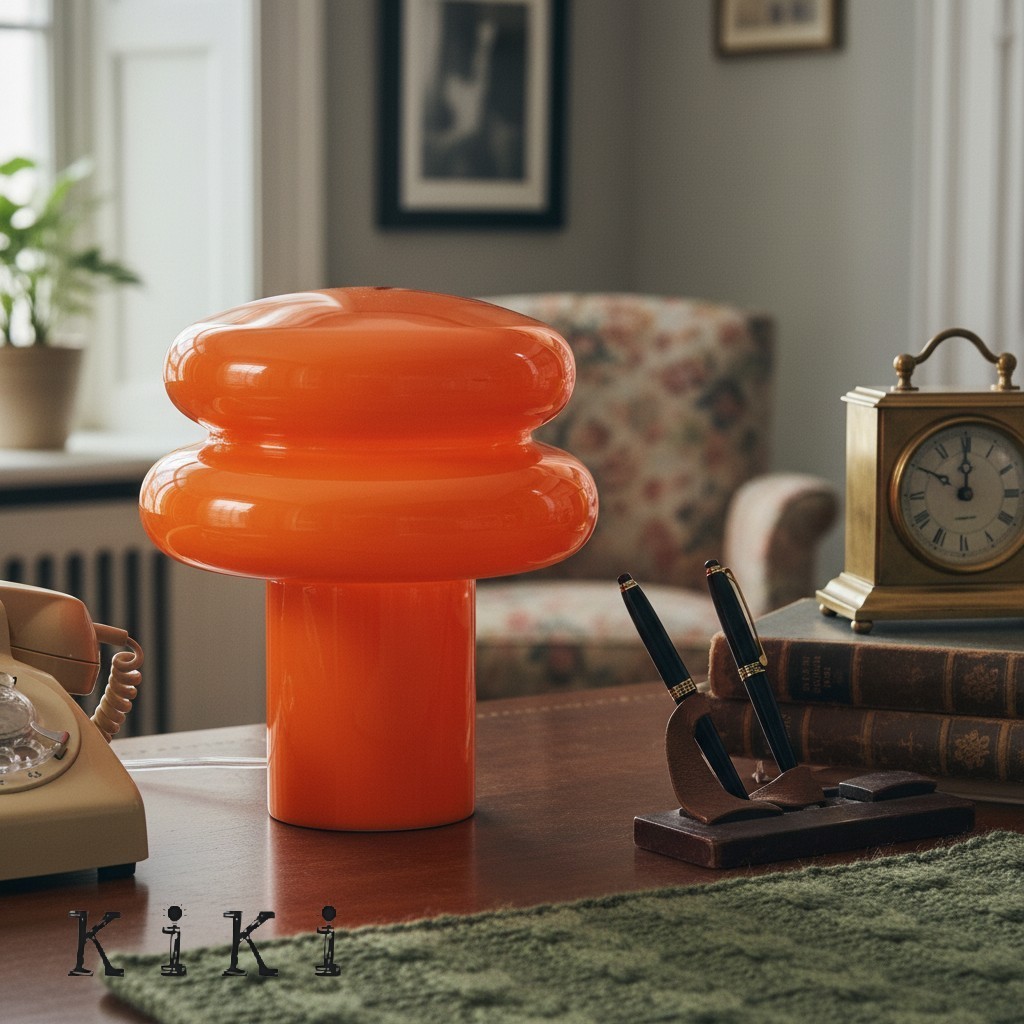
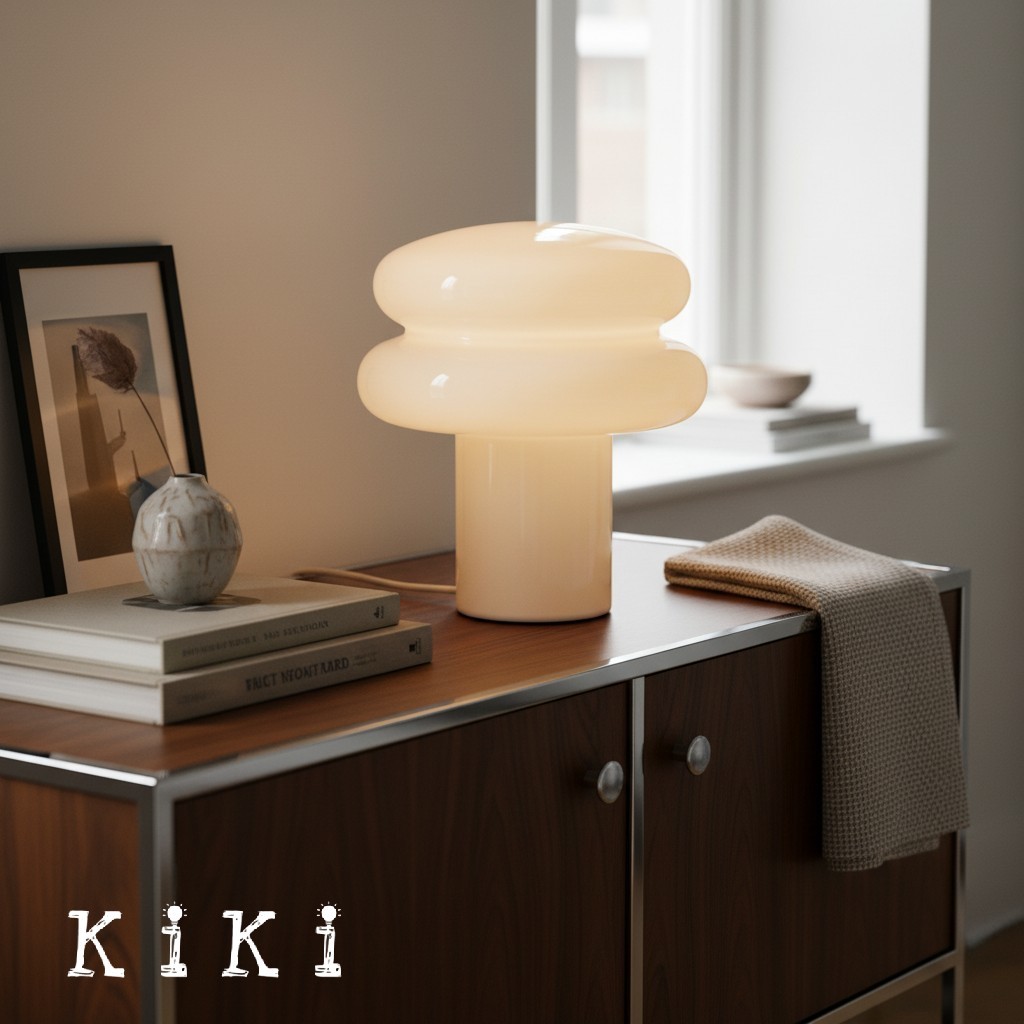
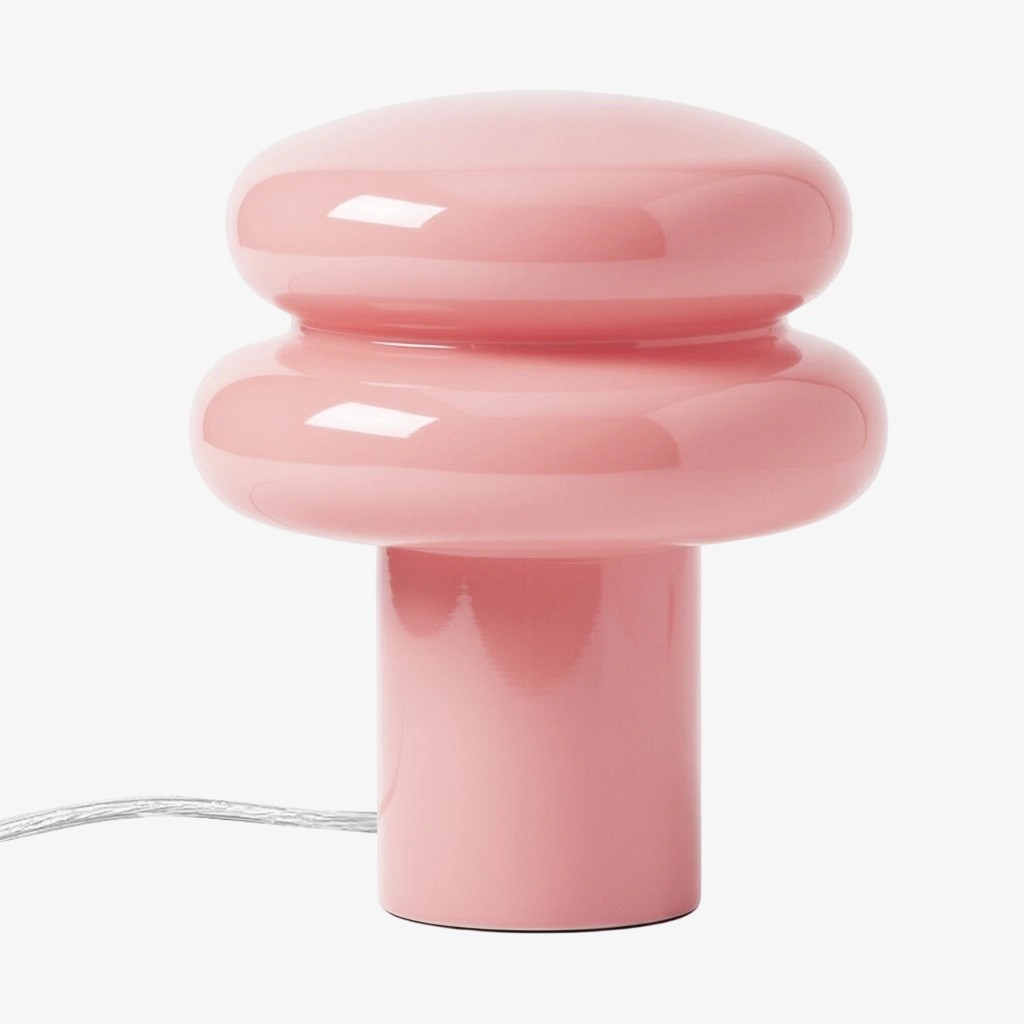
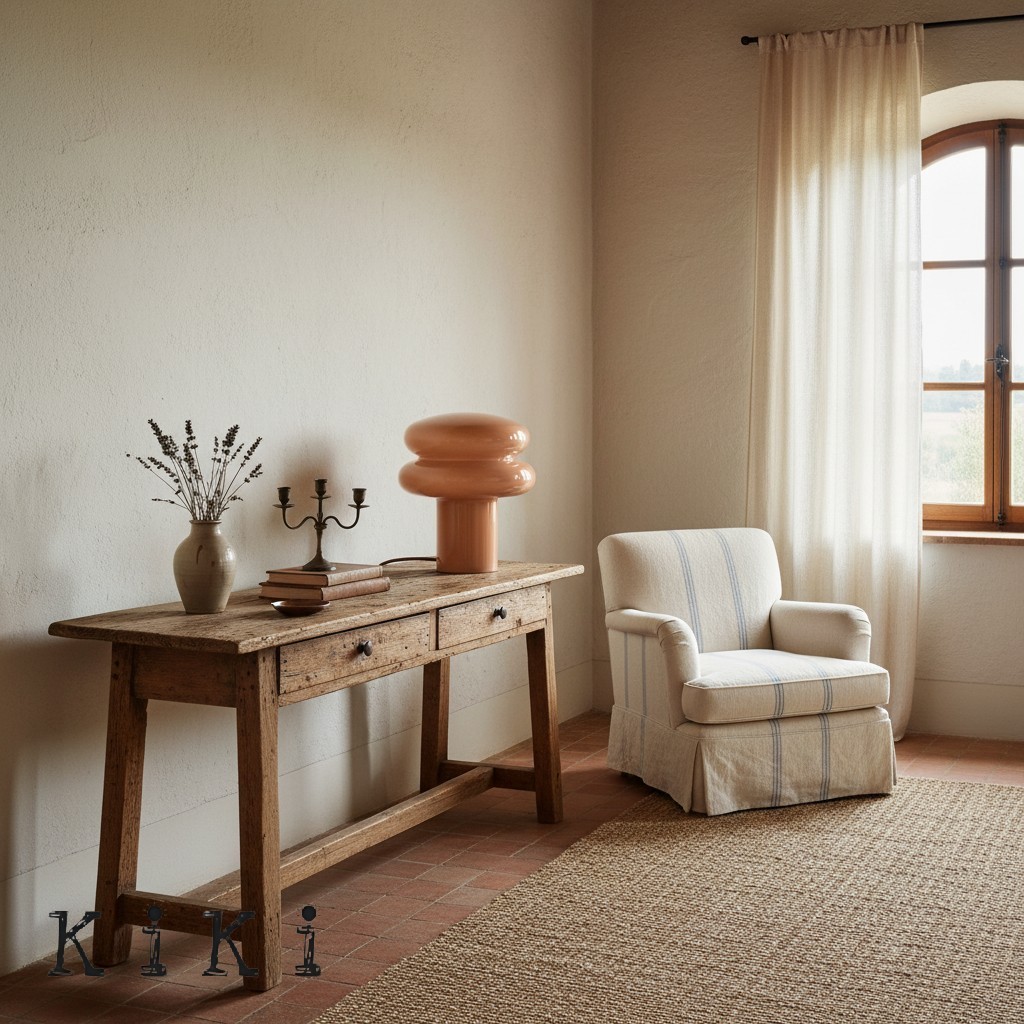
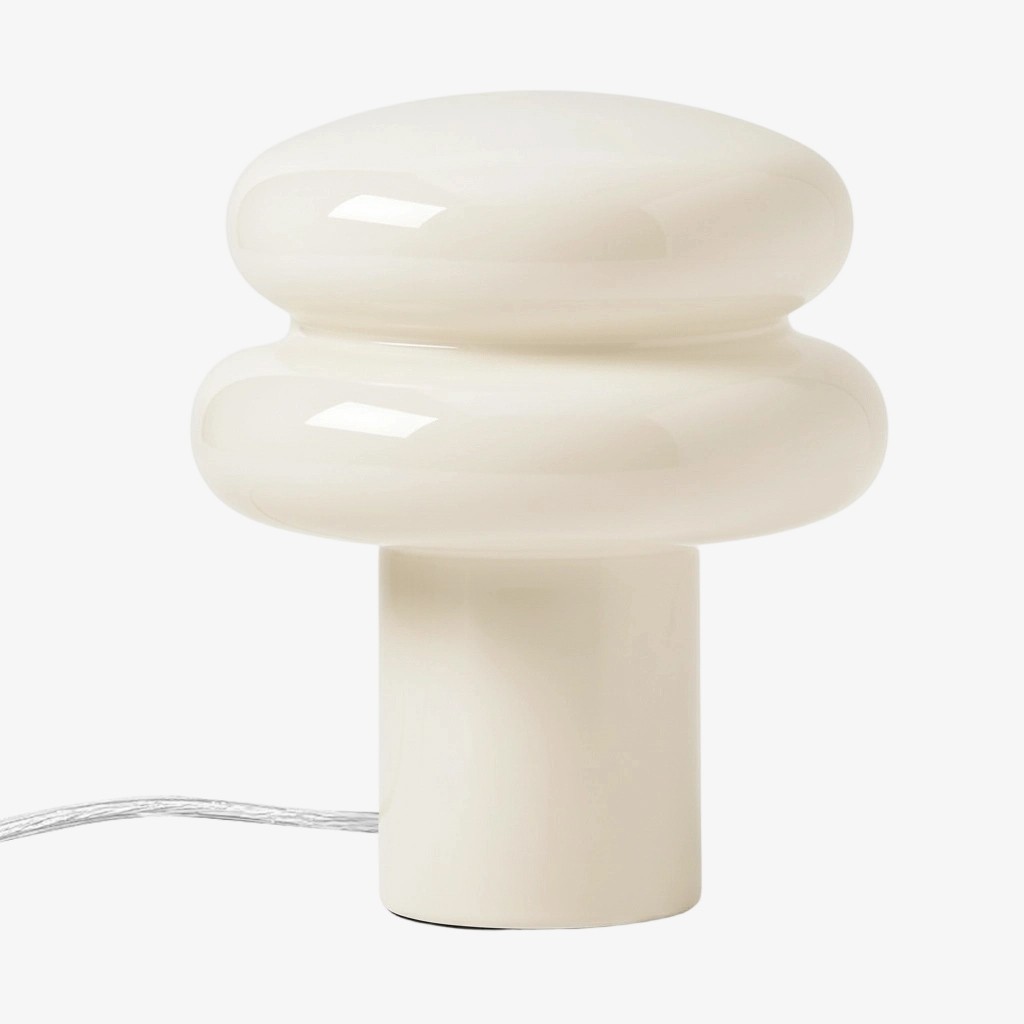
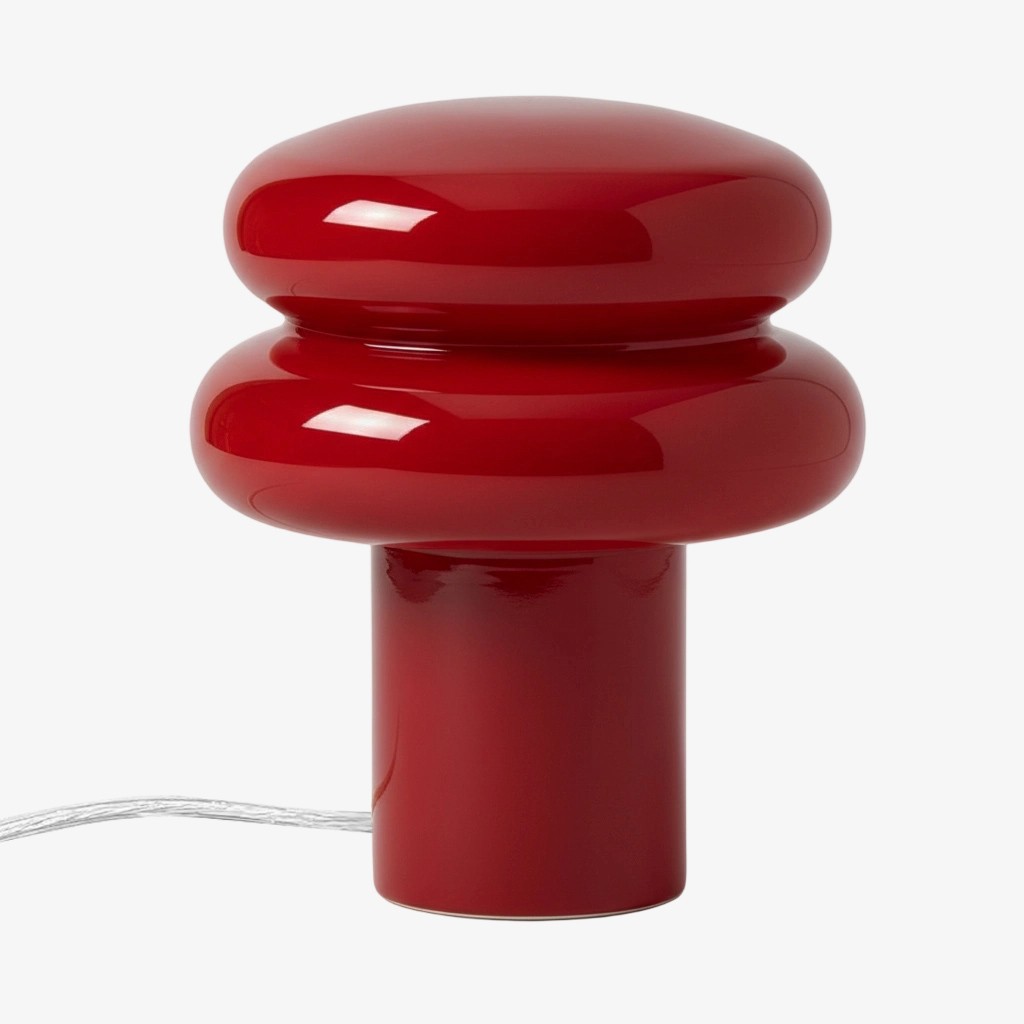
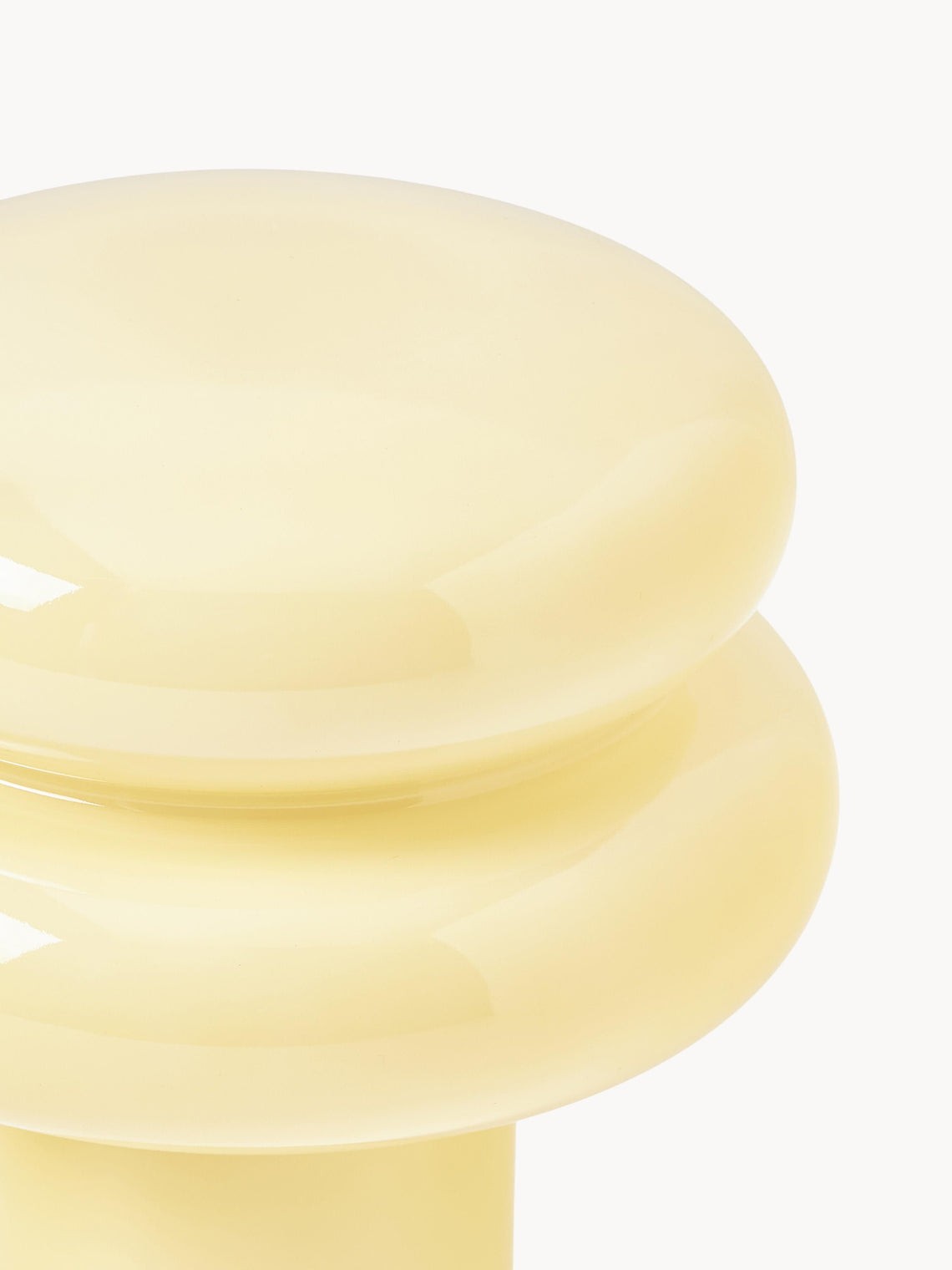
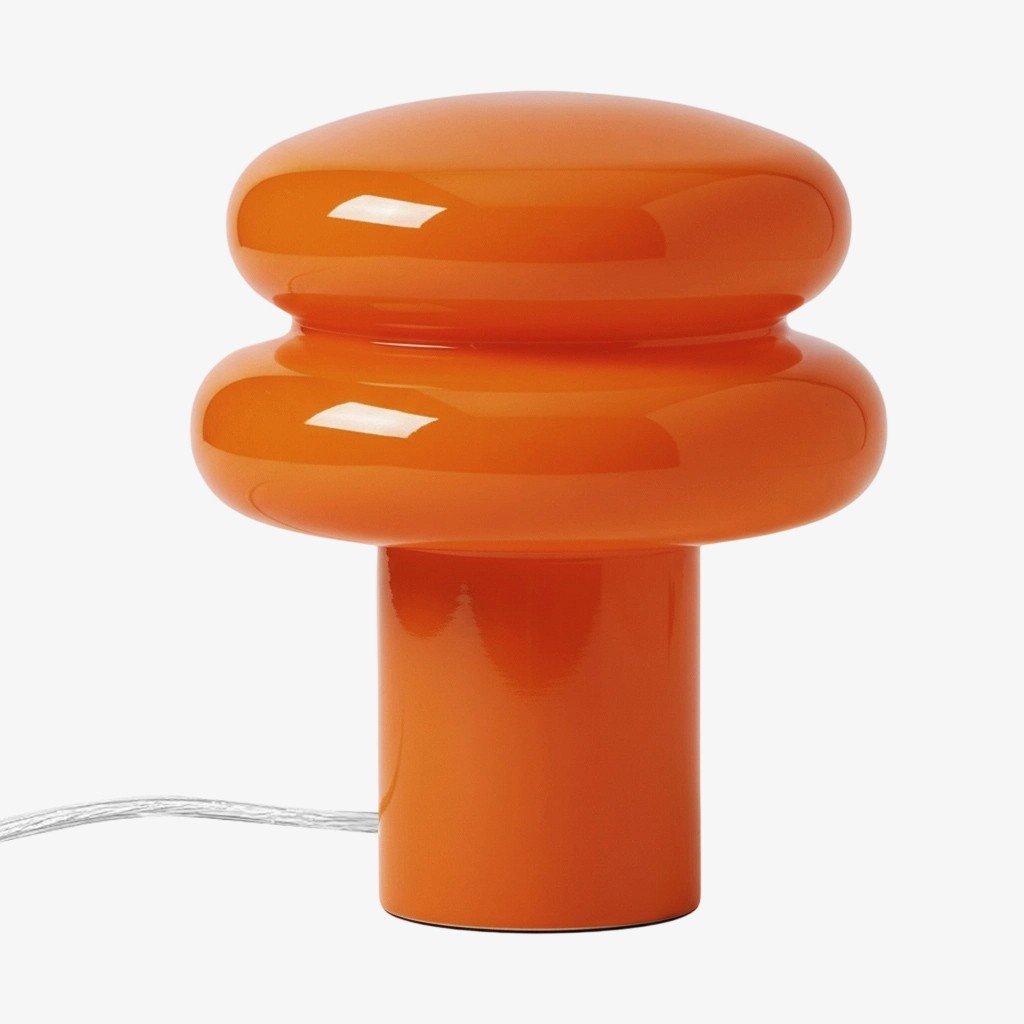
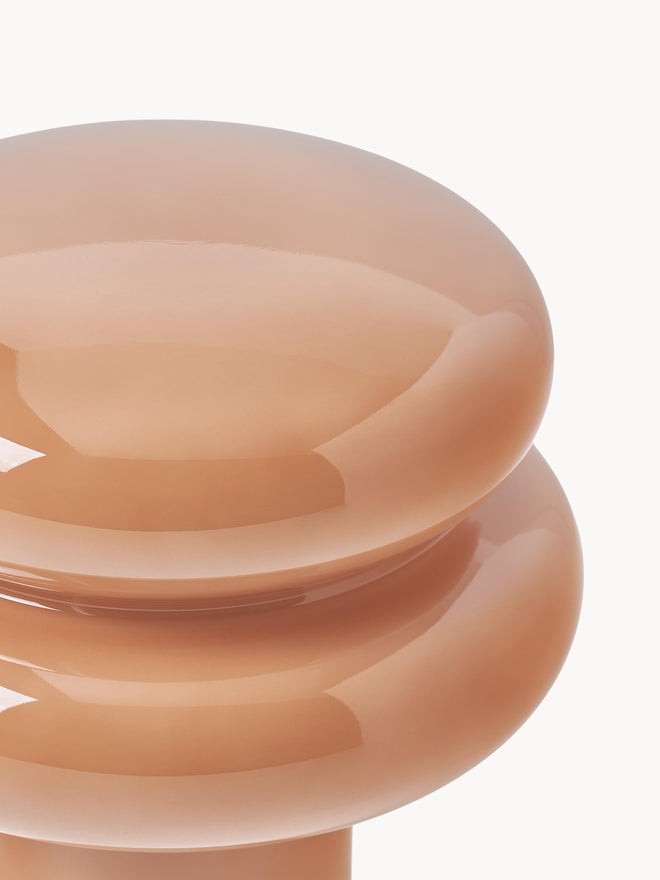
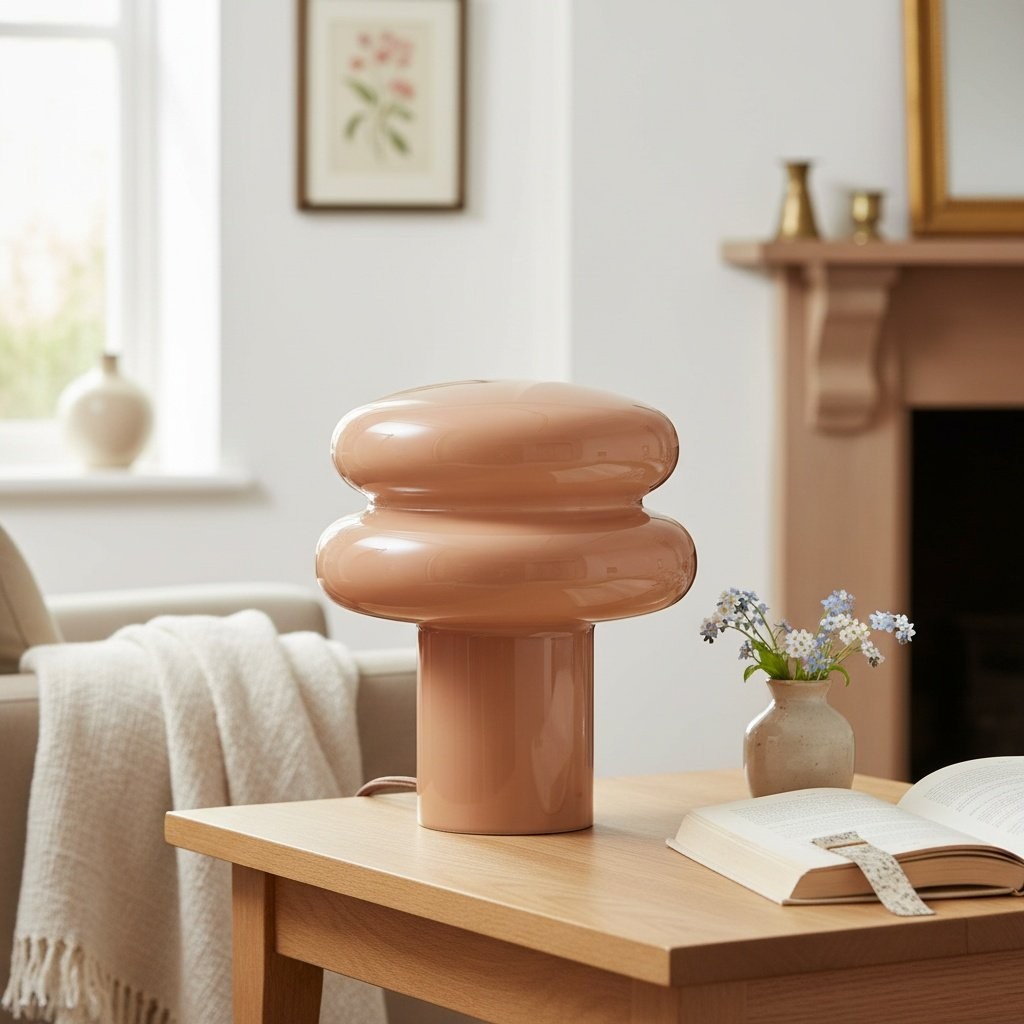
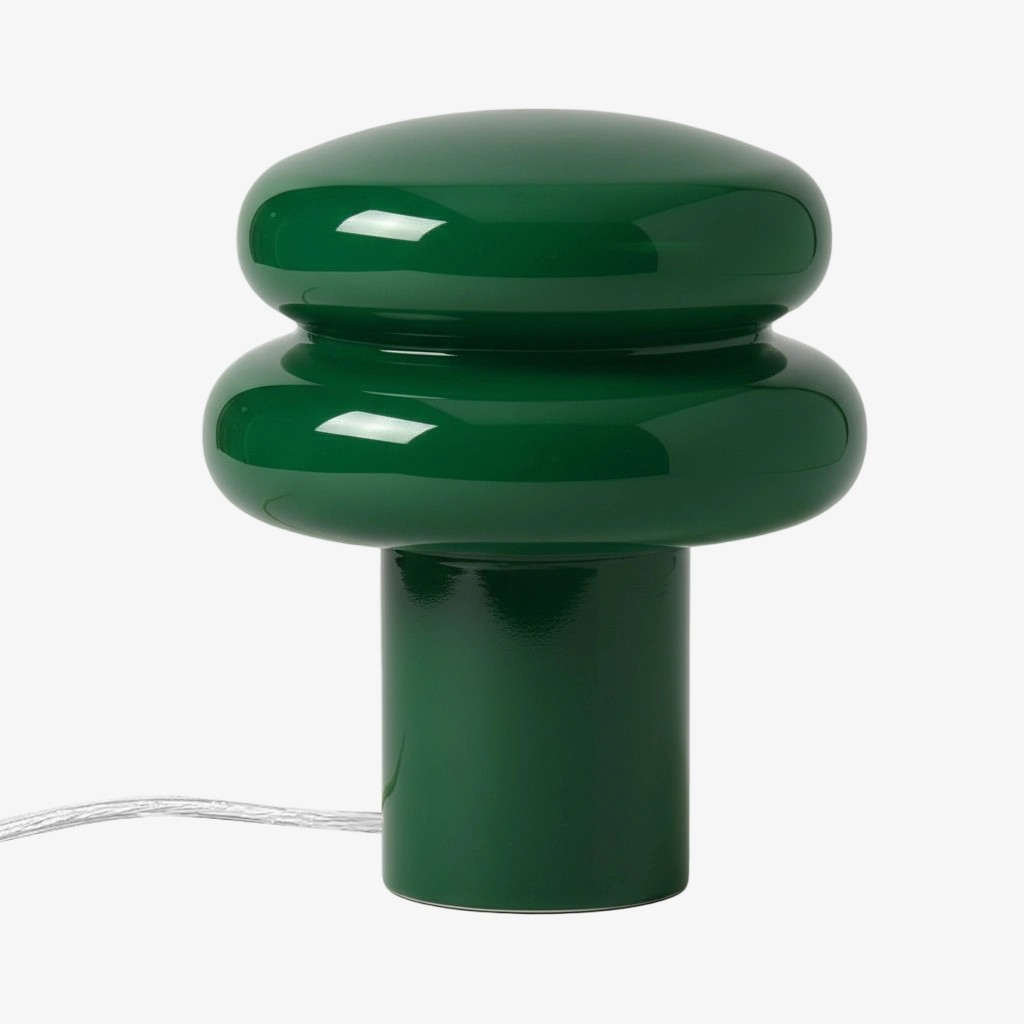
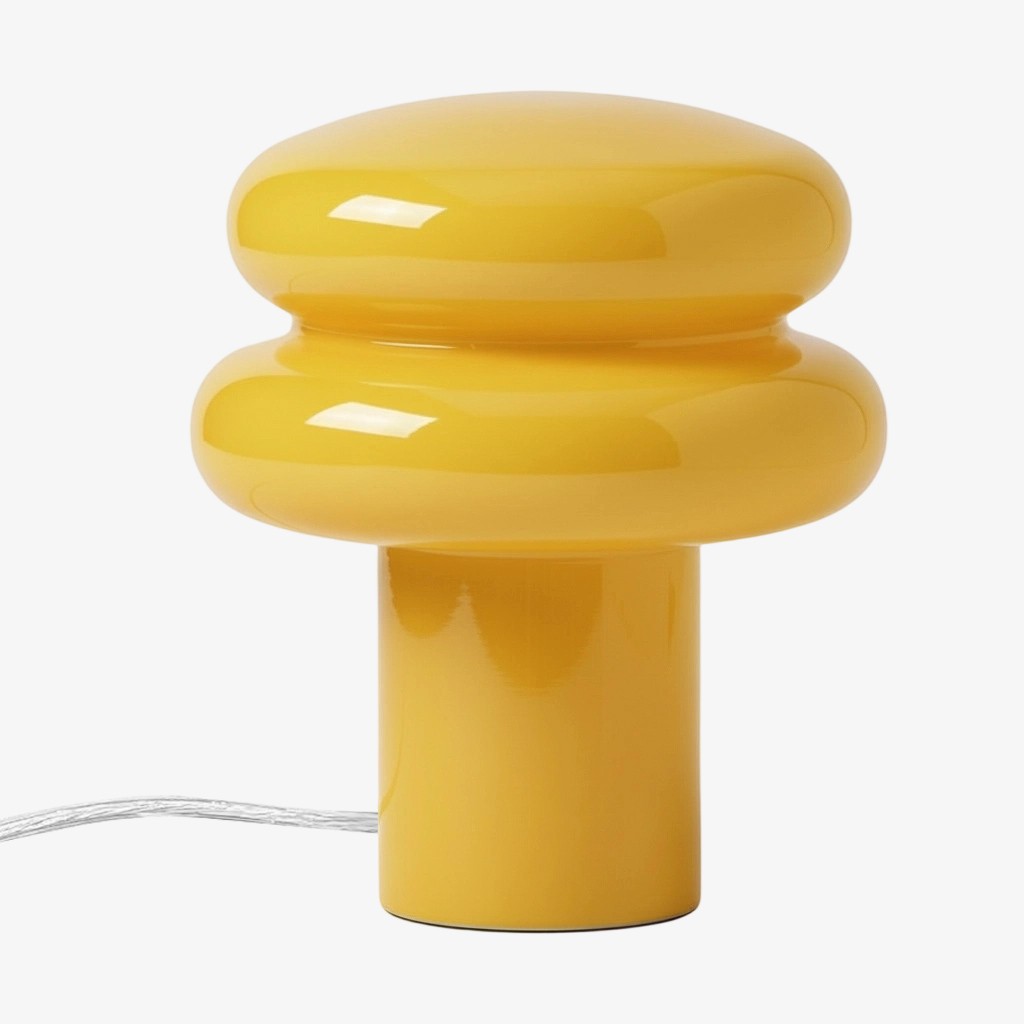
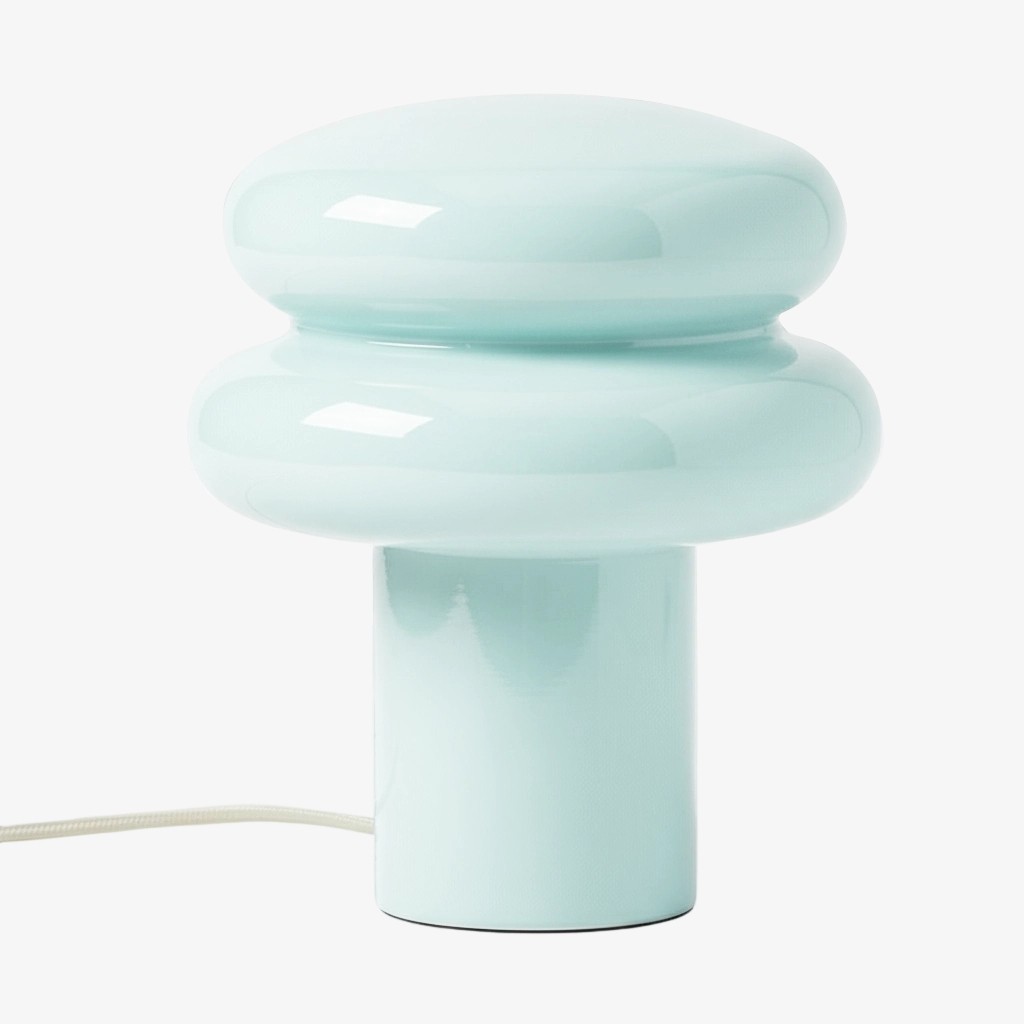
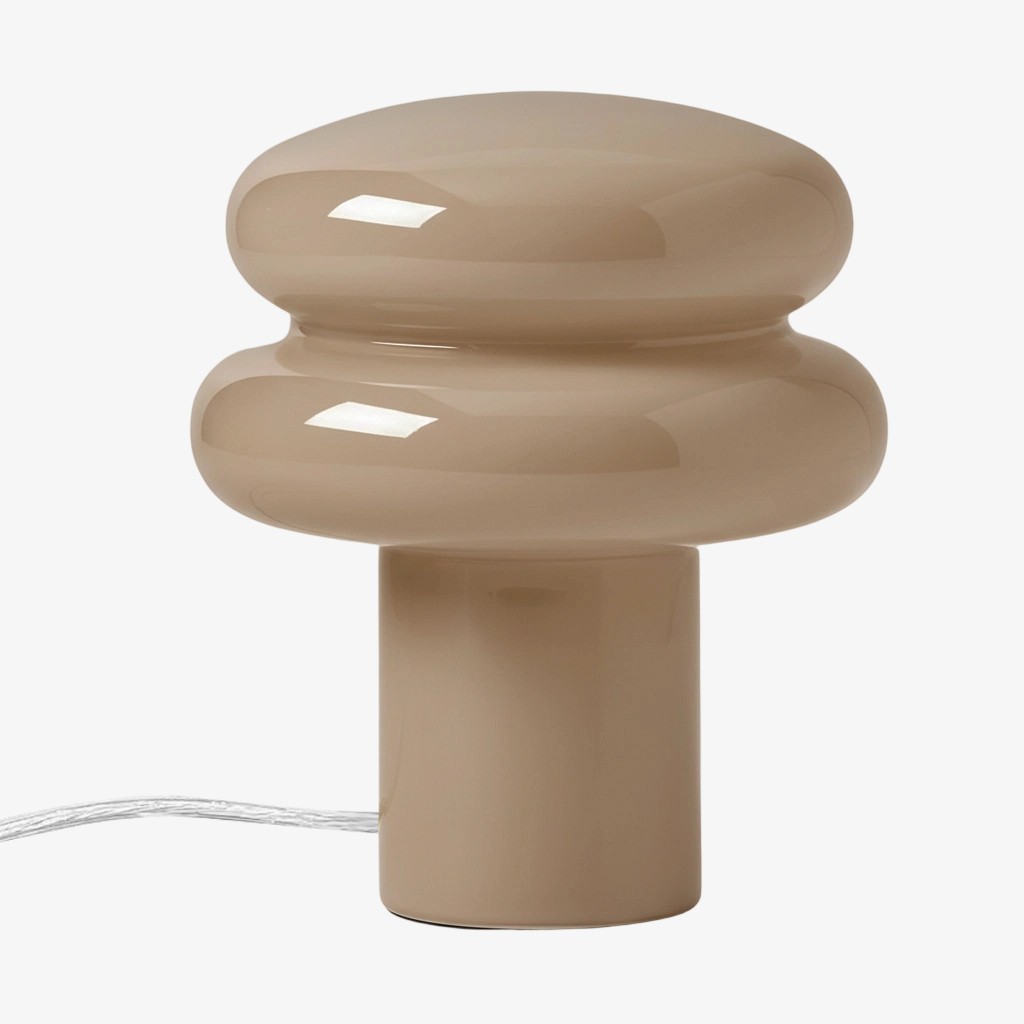
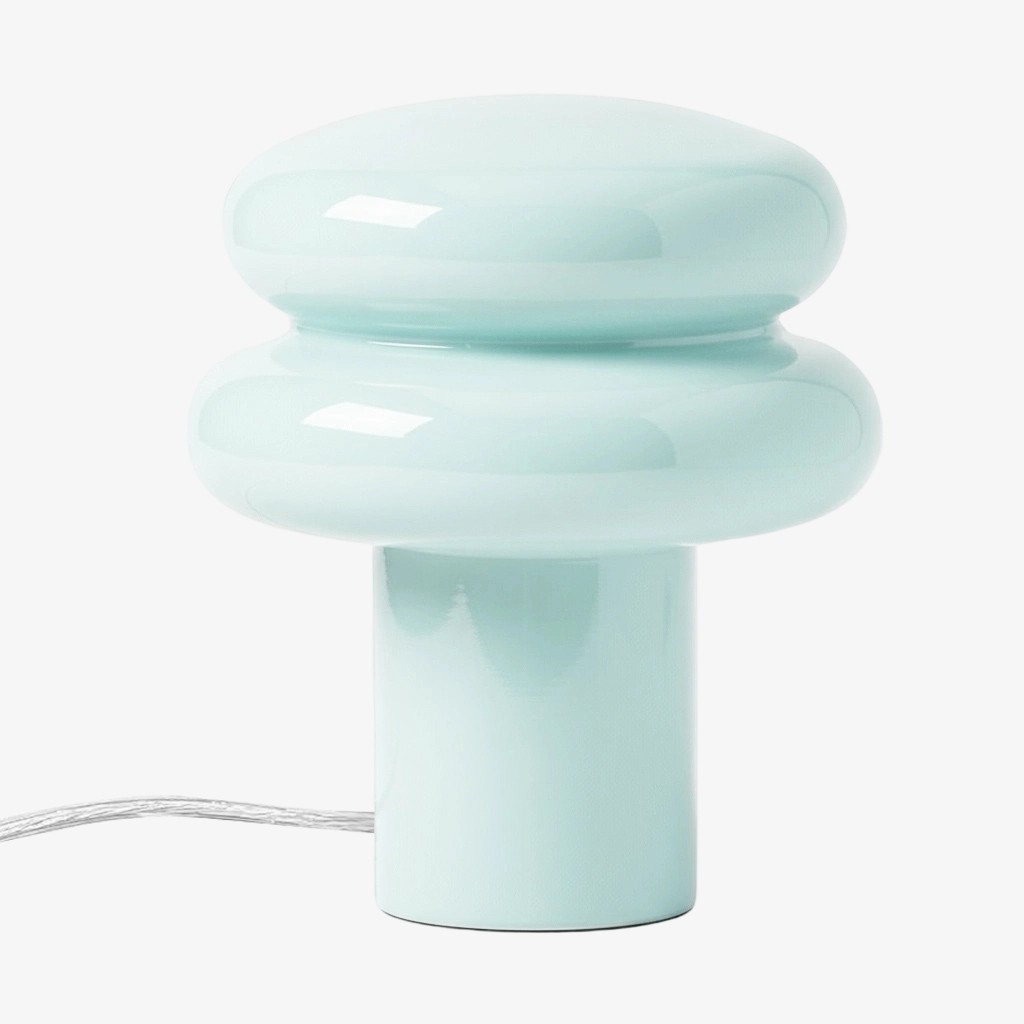
The Orra Mushroom Glass Table Lamp is verified as a 9 cm diameter, 20 cm high glass lamp with an E14 socket. Its bulb is not included, and the fixture uses a push-button on/off switch and is marked non-dimmable. The product page does not publish internal clearance or maximum bulb wattage, so the safe choice is a measured, label-led choice.
Step 1: Confirm the E14 Base
Look for E14 on the lamp specification and on the bulb package. Do not substitute an E12, E27, bayonet or plug-in lamp simply because the bulb looks similar. Thread shape and electrical standards vary by region, so the base should be the first confirmation, not the last.
If you are replacing an existing bulb, photograph the old label and compare the base marking. If the lamp is new, keep the product page open while shopping. This reduces the chance of buying by a familiar bulb silhouette rather than by the actual socket.
Step 2: Measure the Space Inside the Shade
A small opal shade makes physical fit more important. Measure the maximum usable diameter and height inside the glass, including the path the bulb must travel through during installation. Also check where the bulb sits after it is screwed in: a bulb that technically fits may touch the glass, sit off-centre, or make the shade impossible to seat.
Because the Orra page does not provide a verified bulb envelope, this guide intentionally does not name a guaranteed candle, capsule, globe or decorative shape. Use the bulb maker’s dimensions and compare them with your own measurement. Leave room for the bulb to install without force and for the glass to remain stable.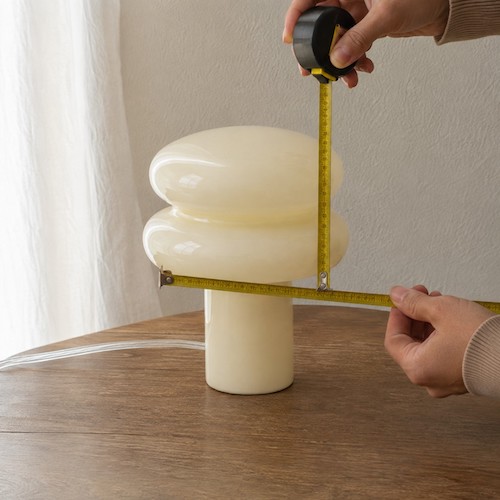
Step 3: Match Voltage and Fixture Limits
Read the lamp label, instruction sheet or manufacturer response for voltage and wattage limits. Read the same fields on the bulb. If the product page does not list a value, do not fill the gap with a common assumption. The correct next step is to ask the maker or use a clearly documented compatible specification.
An LED’s low energy use does not cancel the need to follow a fixture rating. Keep local electrical rules and certification requirements in view, especially when the lamp will be used in a different country from the one where it was purchased.
Step 4: Check Heat and Enclosure Guidance
LEDs are efficient, but they still produce heat. ENERGY STAR’s explanation of LED heat management notes that LED products use heat sinks and that higher operating temperatures accelerate light degradation and shorten useful life. A small glass shade can restrict air movement, so the bulb manufacturer’s enclosed-fixture guidance matters.
Do not assume that a physically small bulb is automatically suitable for an enclosed or closely shaded lamp. Check the bulb packaging and technical sheet for enclosure language, operating orientation and ambient-temperature limits. If the instructions conflict with the lamp’s conditions, choose another bulb or ask the manufacturer.
Step 5: Separate Brightness From Wattage
Brightness is measured in lumens, while watts describe energy use. ENERGY STAR recommends using the lumens you need and then choosing the lowest suitable wattage. For a bedside lamp, start with the job: gentle evening atmosphere, finding items, short reading or a separate task layer.
The bulb with the highest watt number is not automatically the most useful. A high-output bulb can make the shade uncomfortable while still leaving a book poorly lit if the light is in the wrong position. Article B2-2 compares 200, 400 and 600 lumens as task-based starting points rather than universal rules.
Step 6: Choose Kelvin and Control Separately
Kelvin describes the shade of white light. A government lighting guide places warm white around 2700–3200 K, cool white around 4100 K and daylight around 5500–6500 K. Warm white is usually the more relaxed bedroom choice, but Kelvin does not tell you the lamp’s brightness.
If you want app-based changes, a compatible E14 smart bulb may control itself while the lamp remains powered. Article B2-3 explains why the physical switch must stay on and why a traditional hardware dimmer is a separate compatibility question.
Before You Install: Photograph the Labels
Take one photo of the lamp specification and one of the bulb package before installation. Keep the model, voltage, wattage, lumens, Kelvin and smart-control instructions together. If you later experience flicker, heat, buzzing, poor fit or unreliable remote control, these photos make the troubleshooting conversation precise.
Install gently and stop if the bulb requires force. A small shade is not the place to test whether pressure will solve a clearance problem. Re-measure, change the bulb or ask for guidance instead. After the first hour of use, switch the lamp off and let it cool before checking that the bulb has not shifted, marked the glass or created an unusual smell. A quiet first-use check is especially useful when the bulb is close to the shade or when the lamp will run for several hours beside a bed.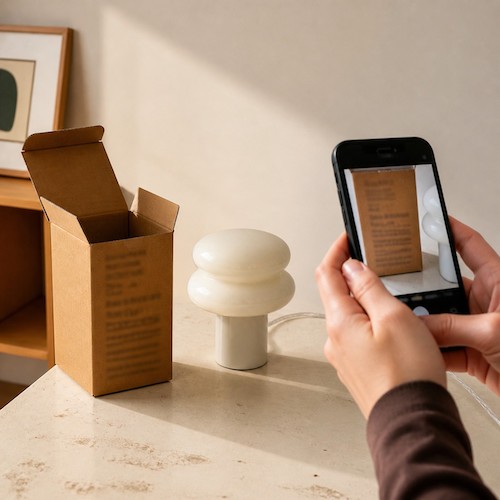
Frequently Asked Questions
Does an E14 base guarantee a physical fit?
No. E14 only identifies the screw base. Check total length, maximum diameter, insertion path and the shade’s internal clearance.
Can I use any E14 LED bulb in a glass lamp?
Only when its electrical, thermal and physical requirements match the lamp. Check the bulb maker’s enclosure guidance and the lamp label.
Should I choose the highest-lumen E14 bulb?
Not automatically. Choose the output for the task and test the finished lamp from the real viewing position.
What if the lamp’s maximum wattage is missing?
Do not guess. Ask the lamp maker or use the official instructions. Keep the lamp and bulb labels available for the conversation.
Can an E14 smart bulb work in this lamp?
It may, if it fits, matches voltage and heat requirements, and can stay powered. The smart bulb controls itself; the fixture remains an on/off, non-dimmable lamp.