The Quick Decision
If you need a practical starting point, think of 200 lumens as a gentle ambient option, 400 lumens as a flexible middle starting point, and 600 lumens as a stronger task-oriented option that deserves a glare check. These are not universal standards. The correct choice depends on distance, shade diffusion, other room lights, your eyesight and what you are doing at the bedside.
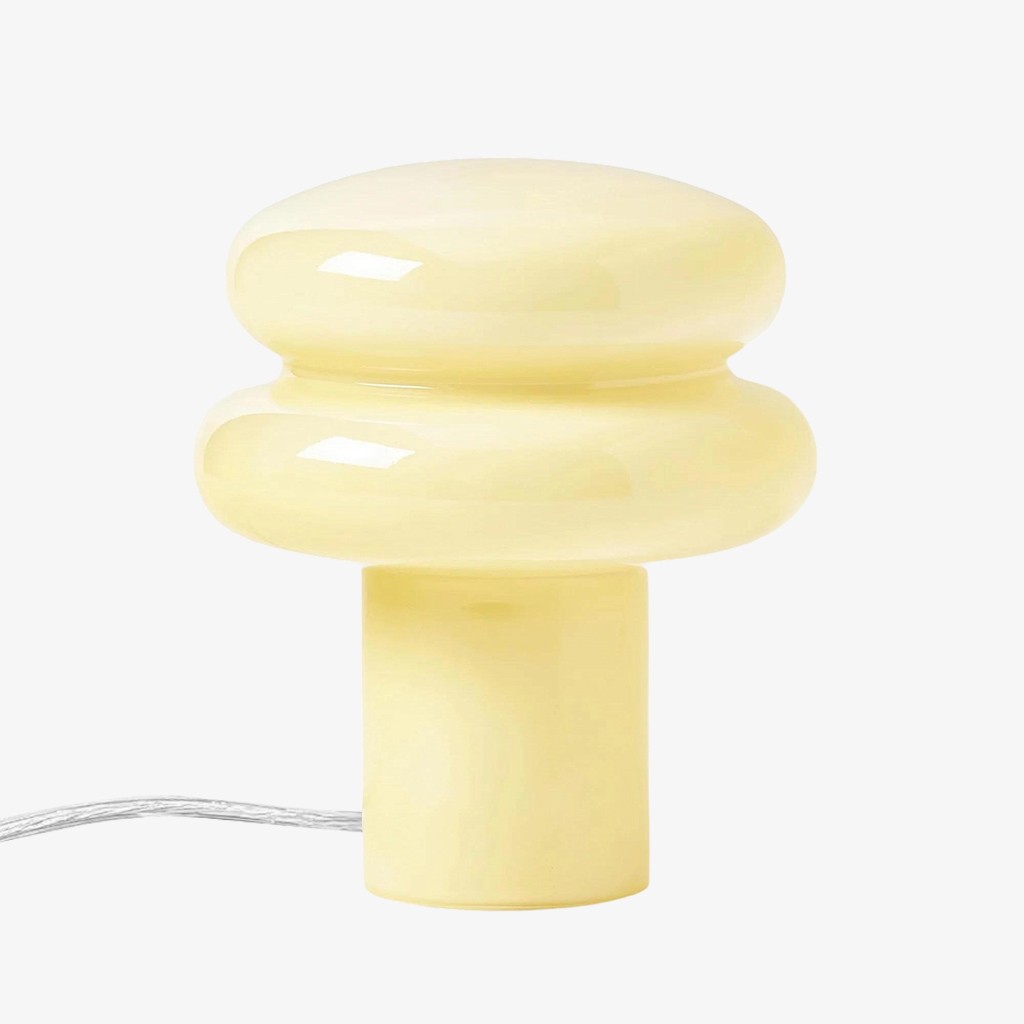
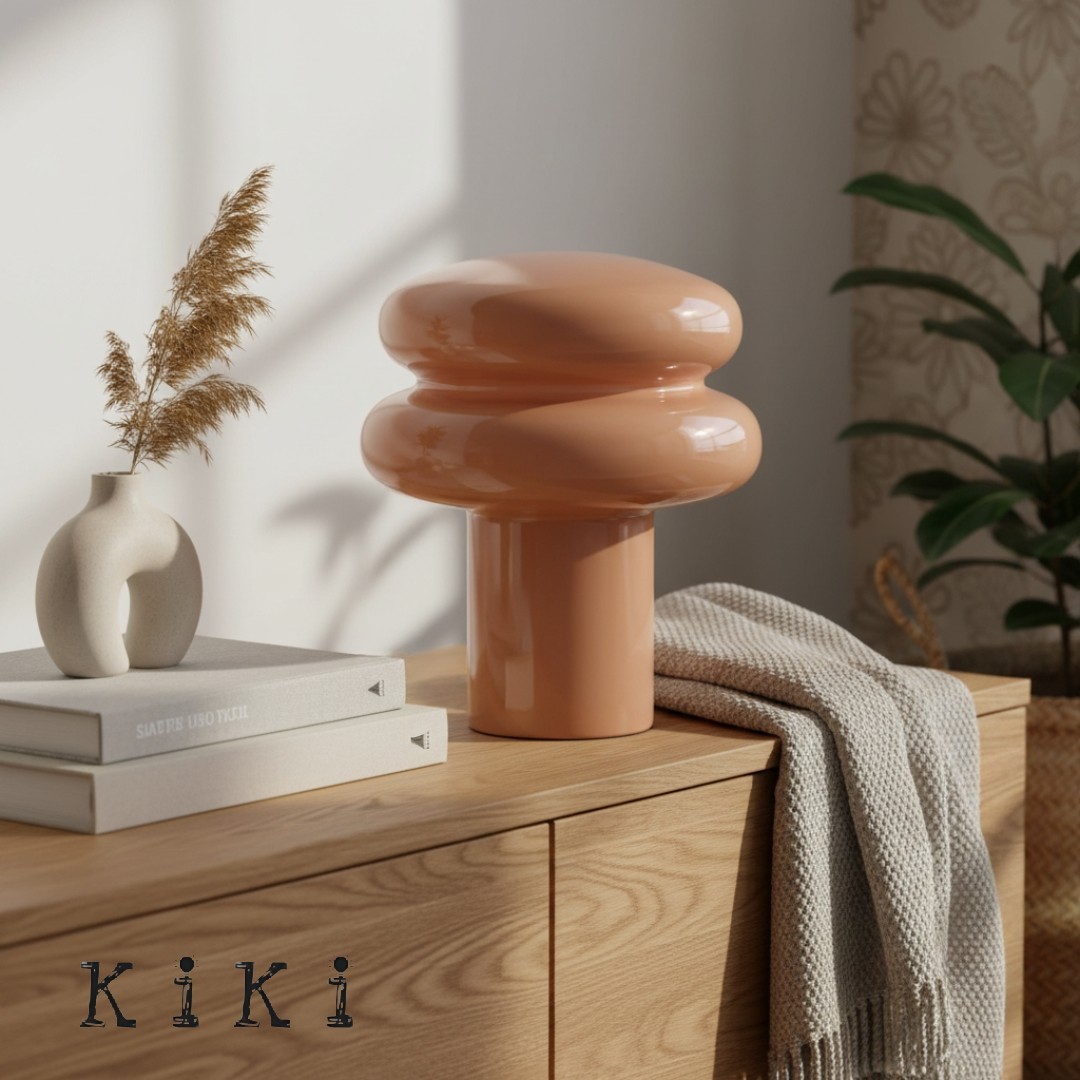
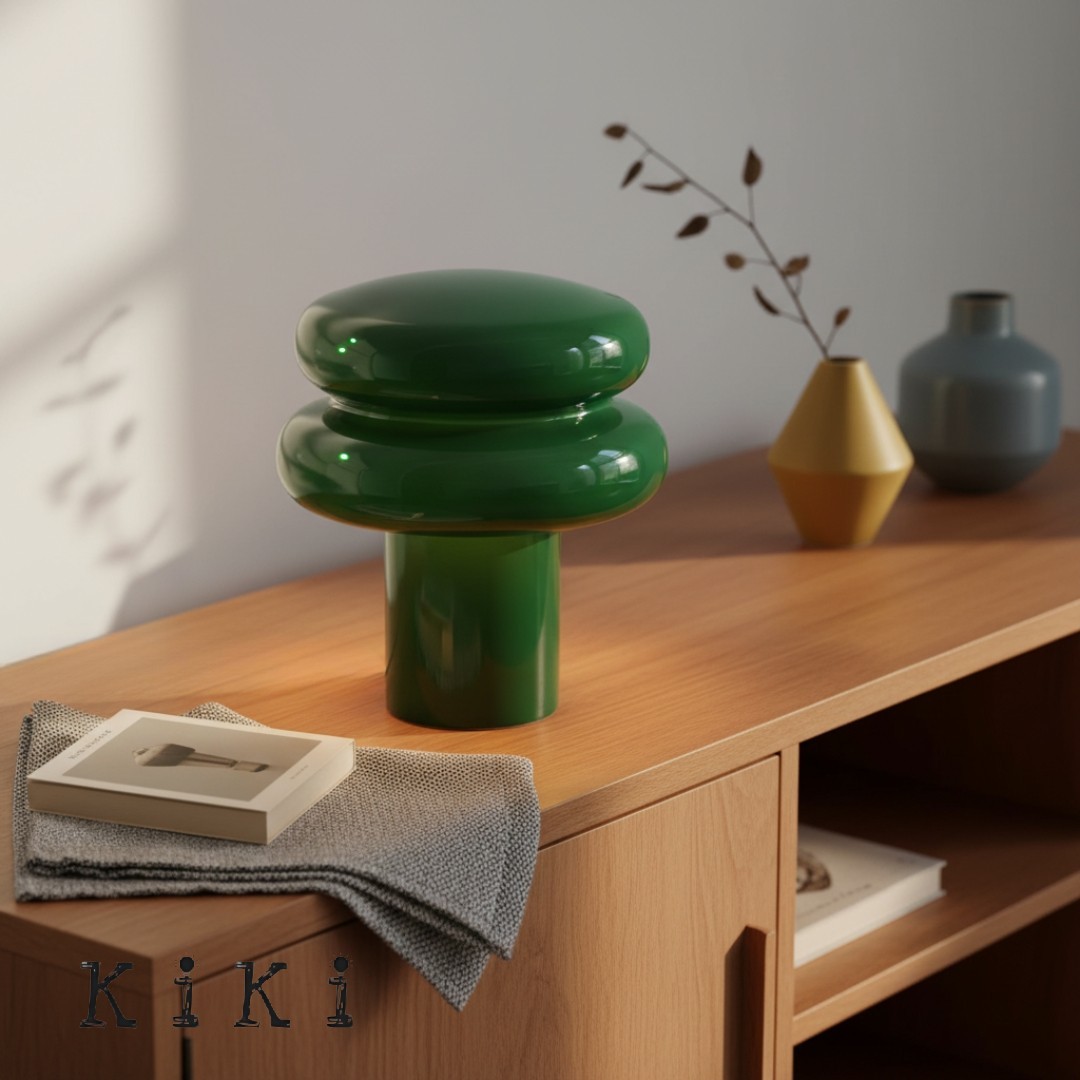
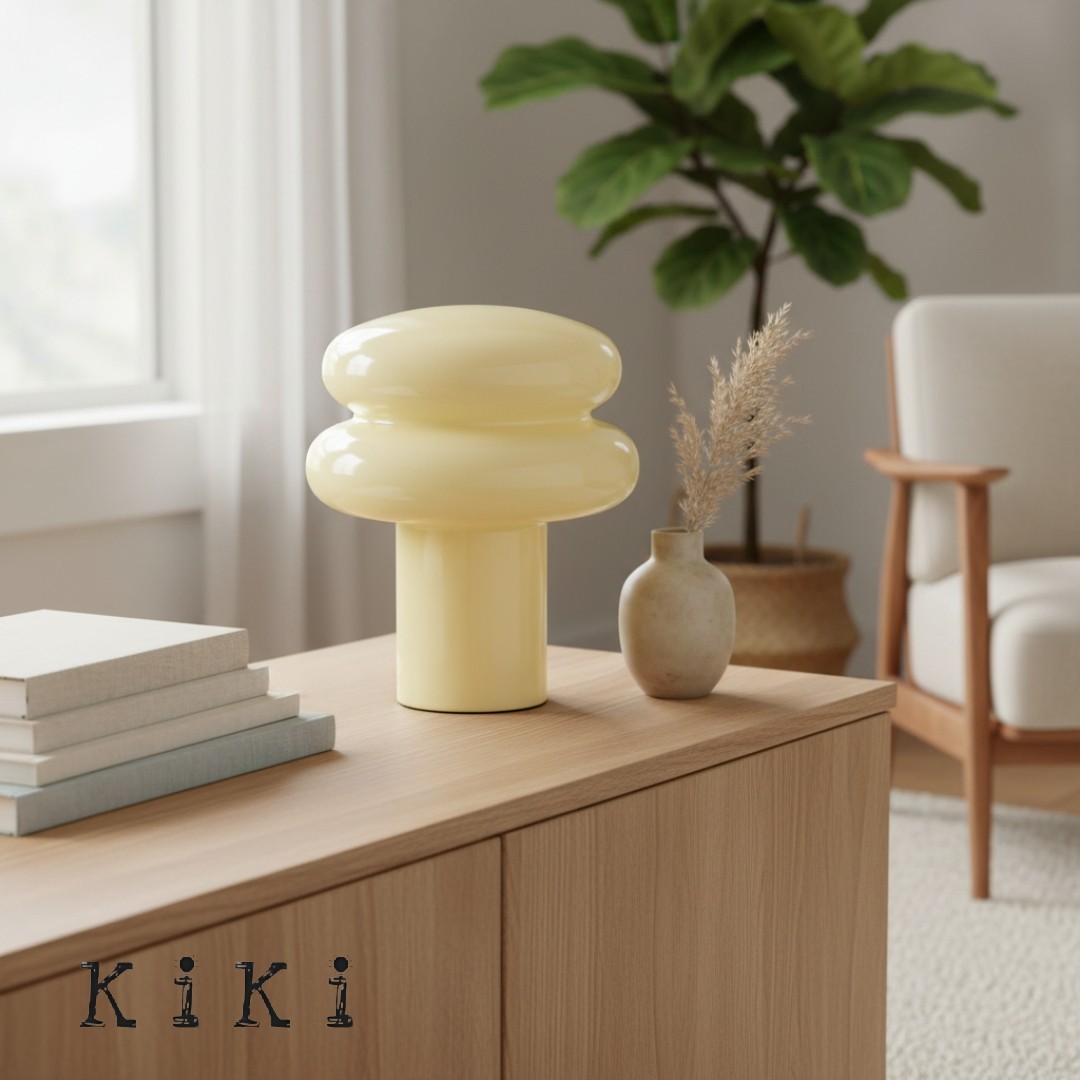
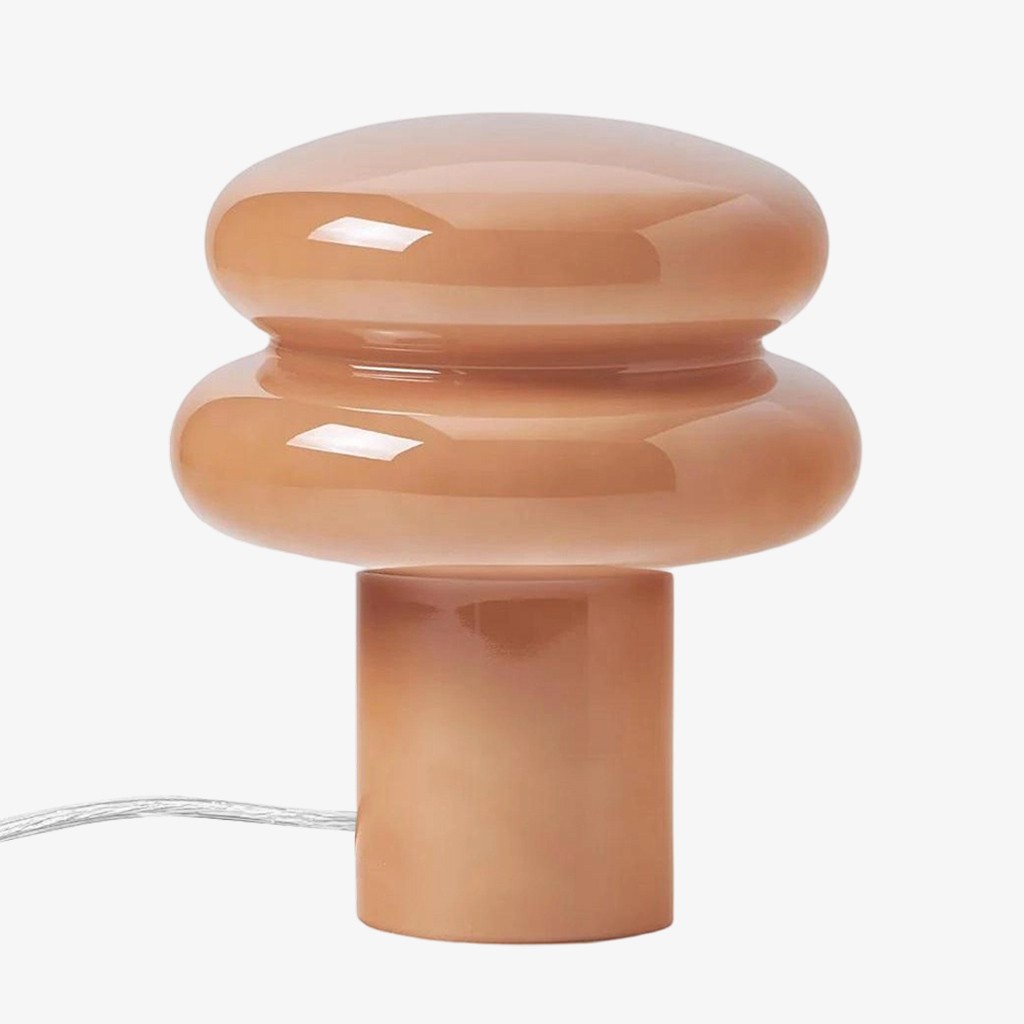
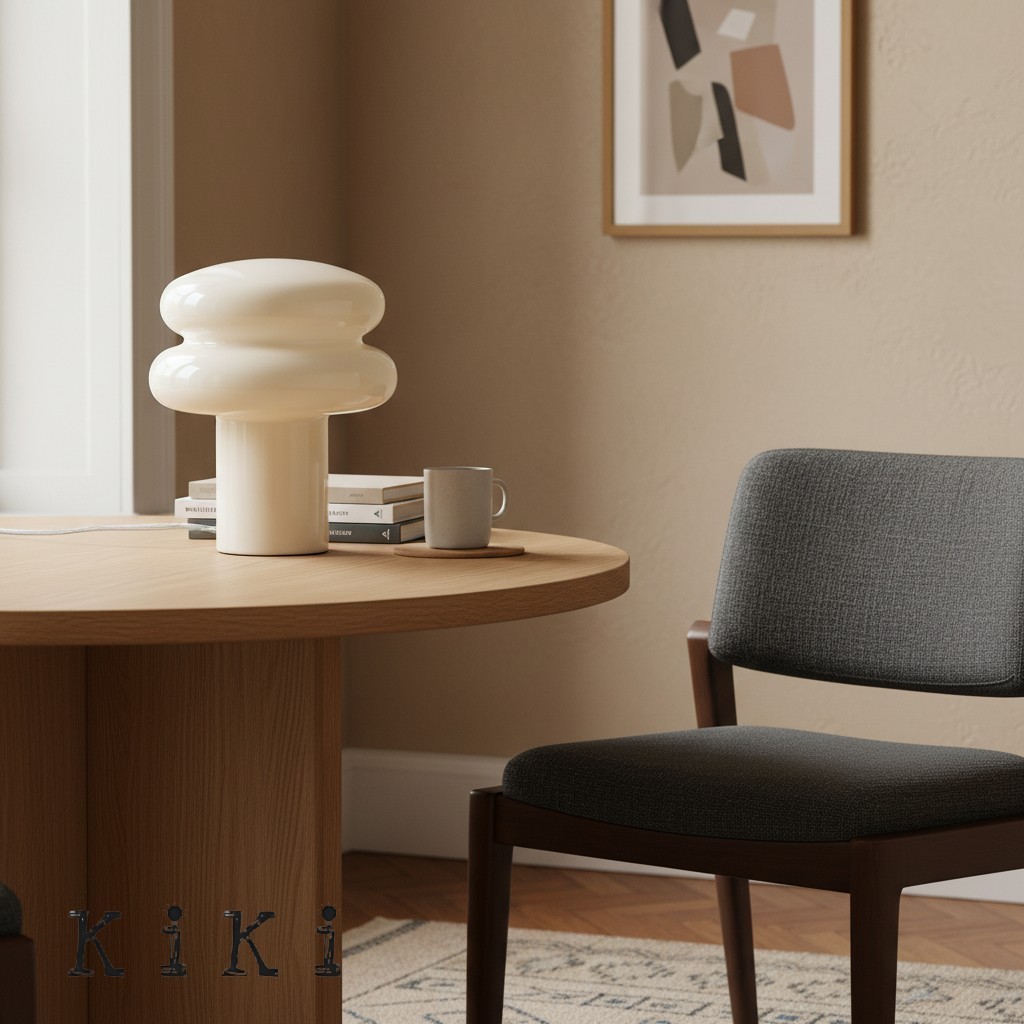
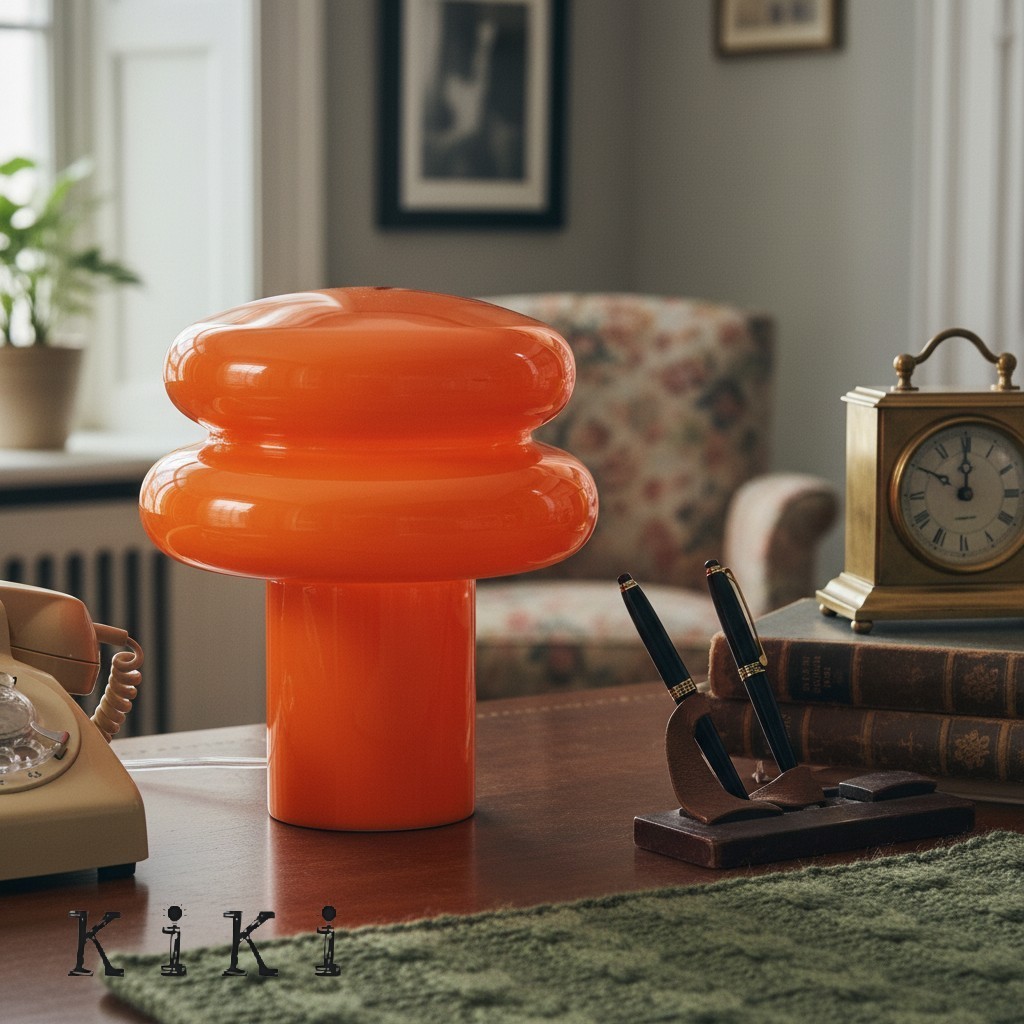
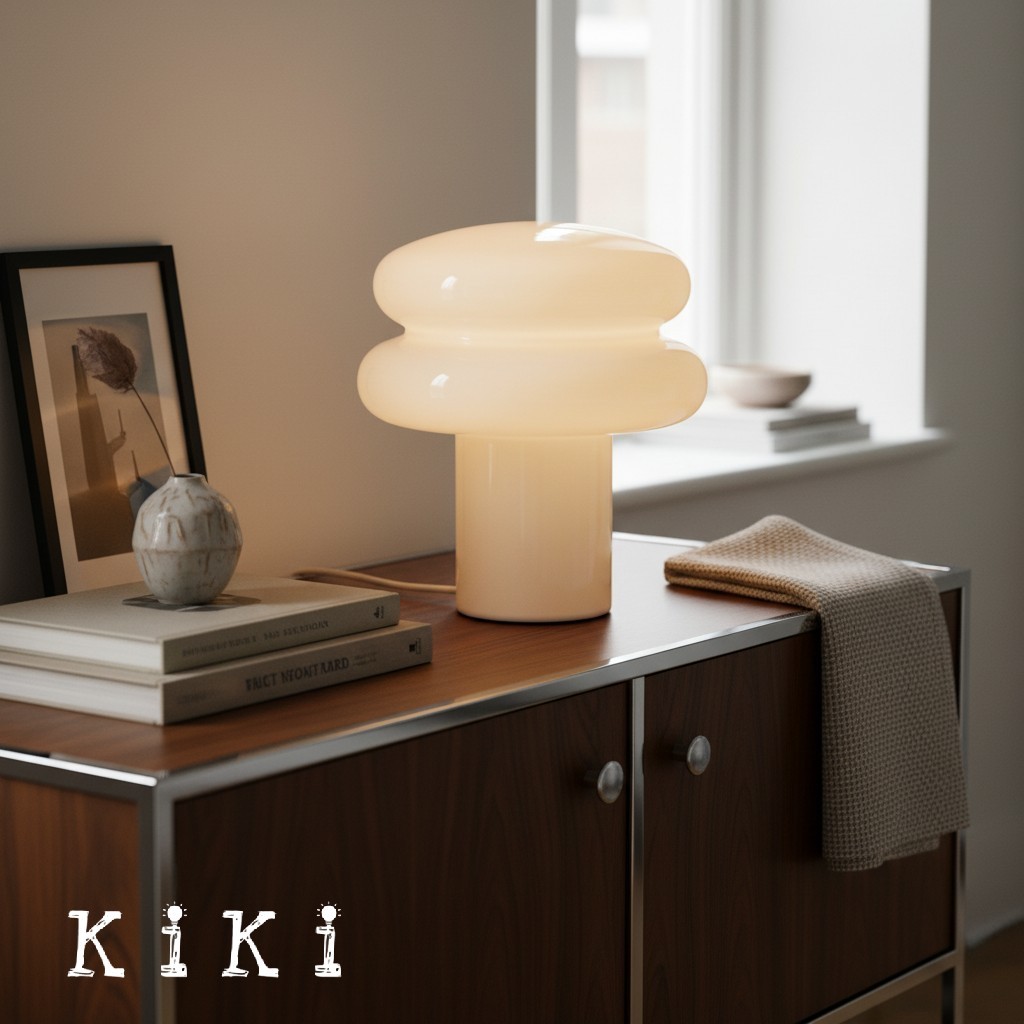
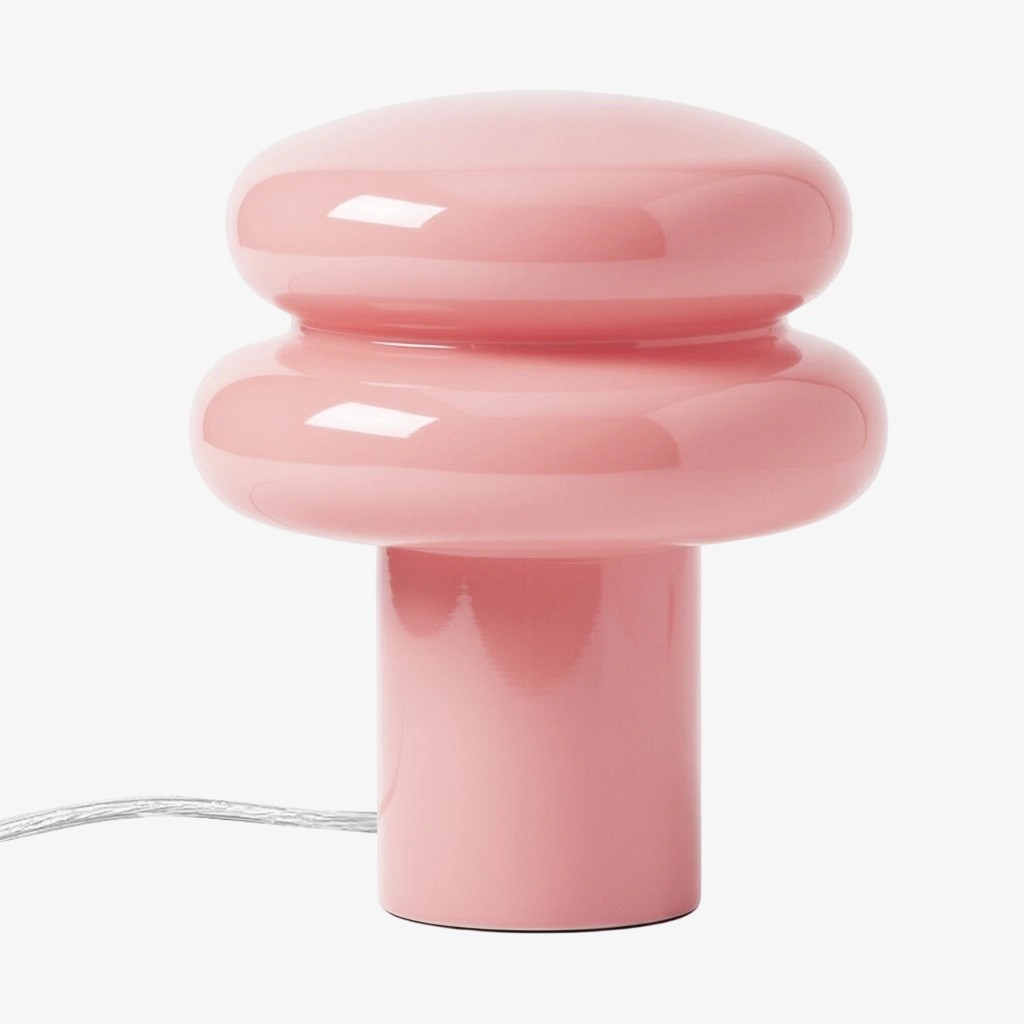
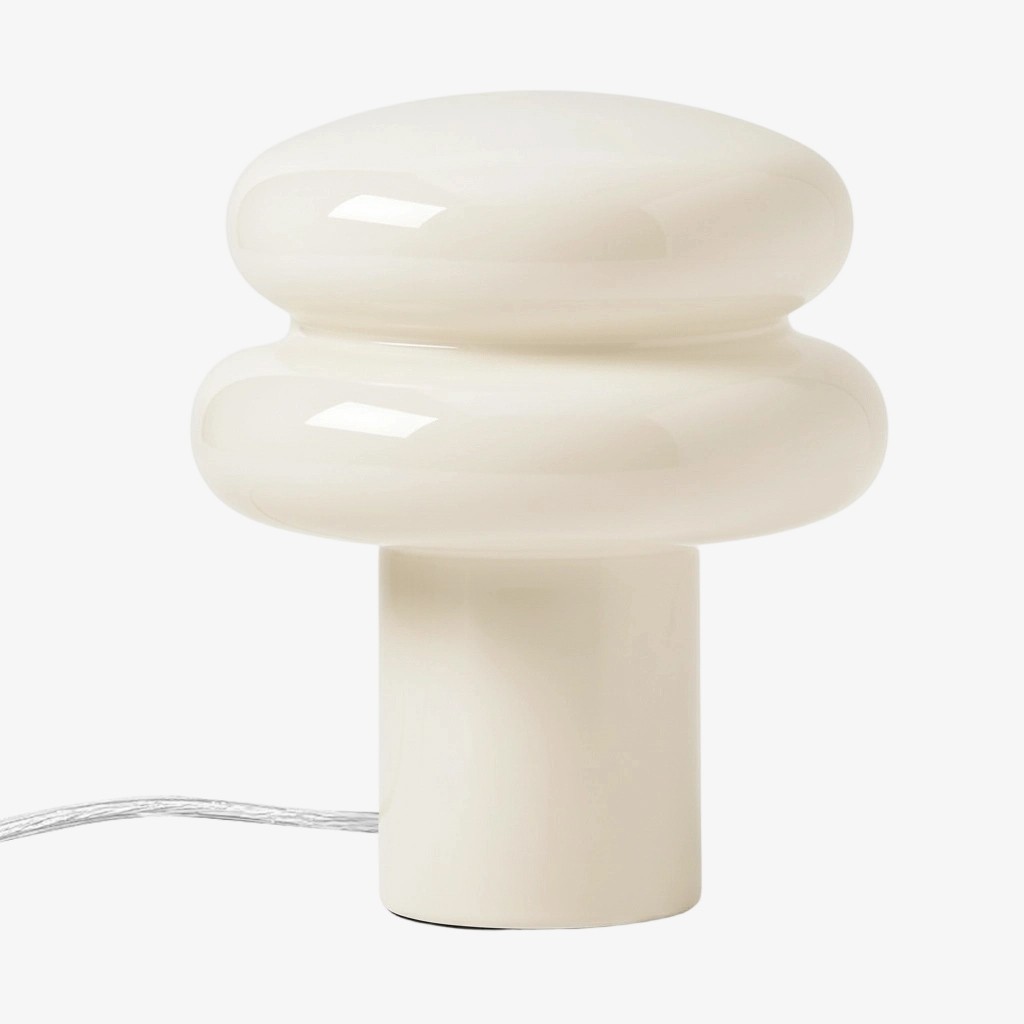
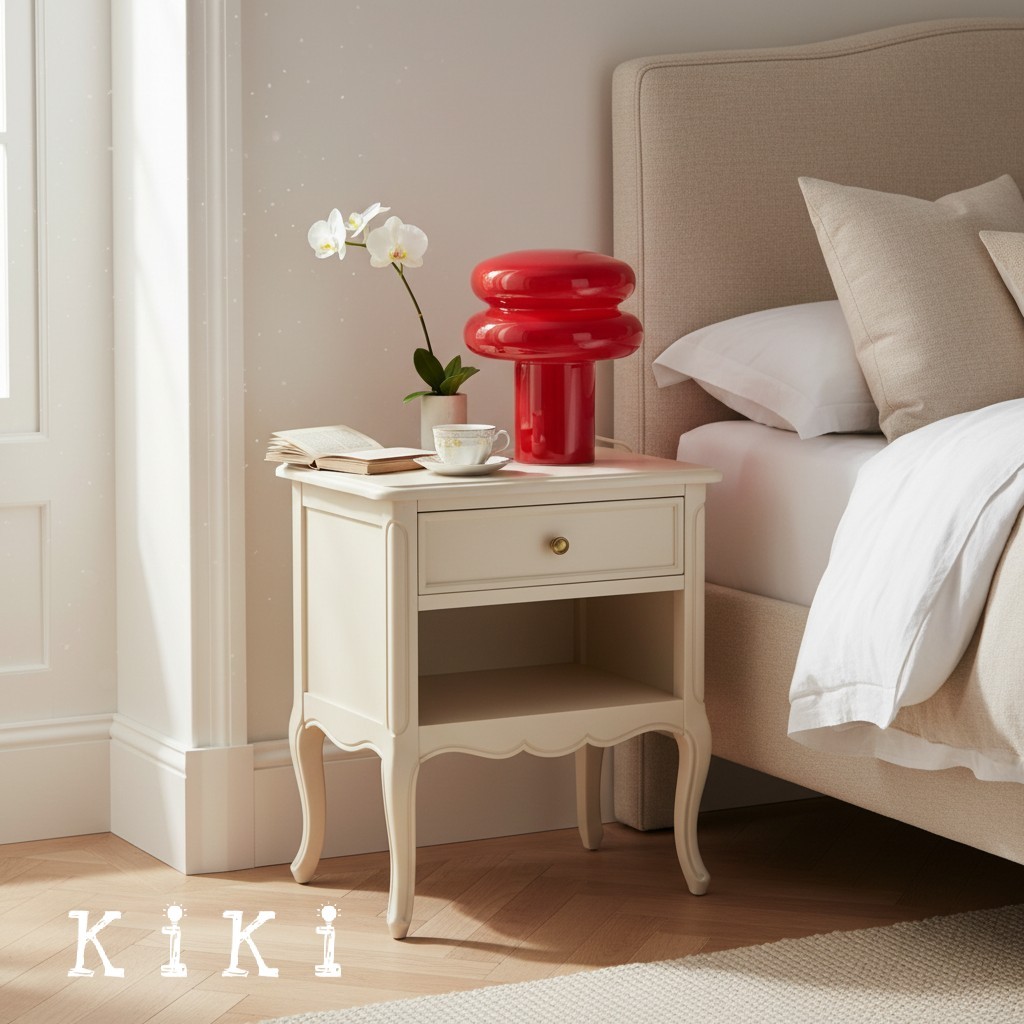
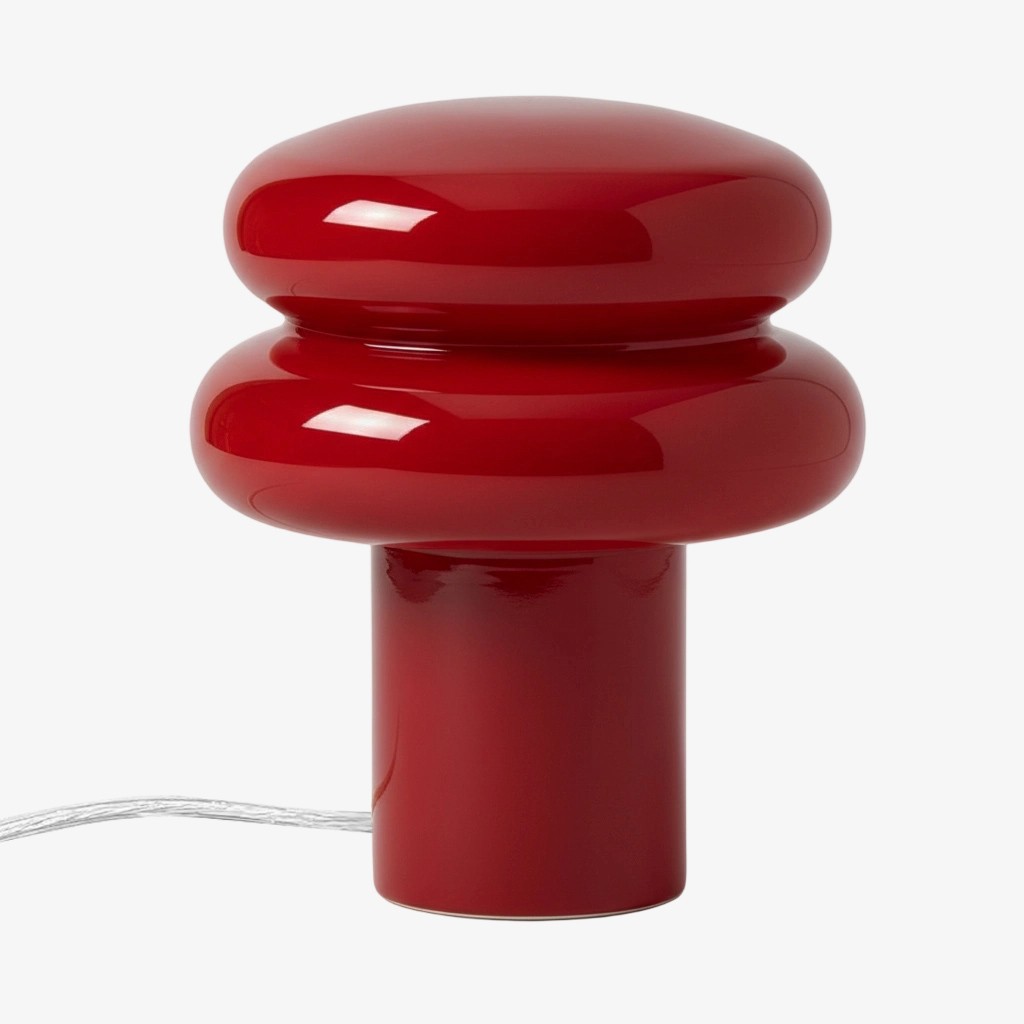
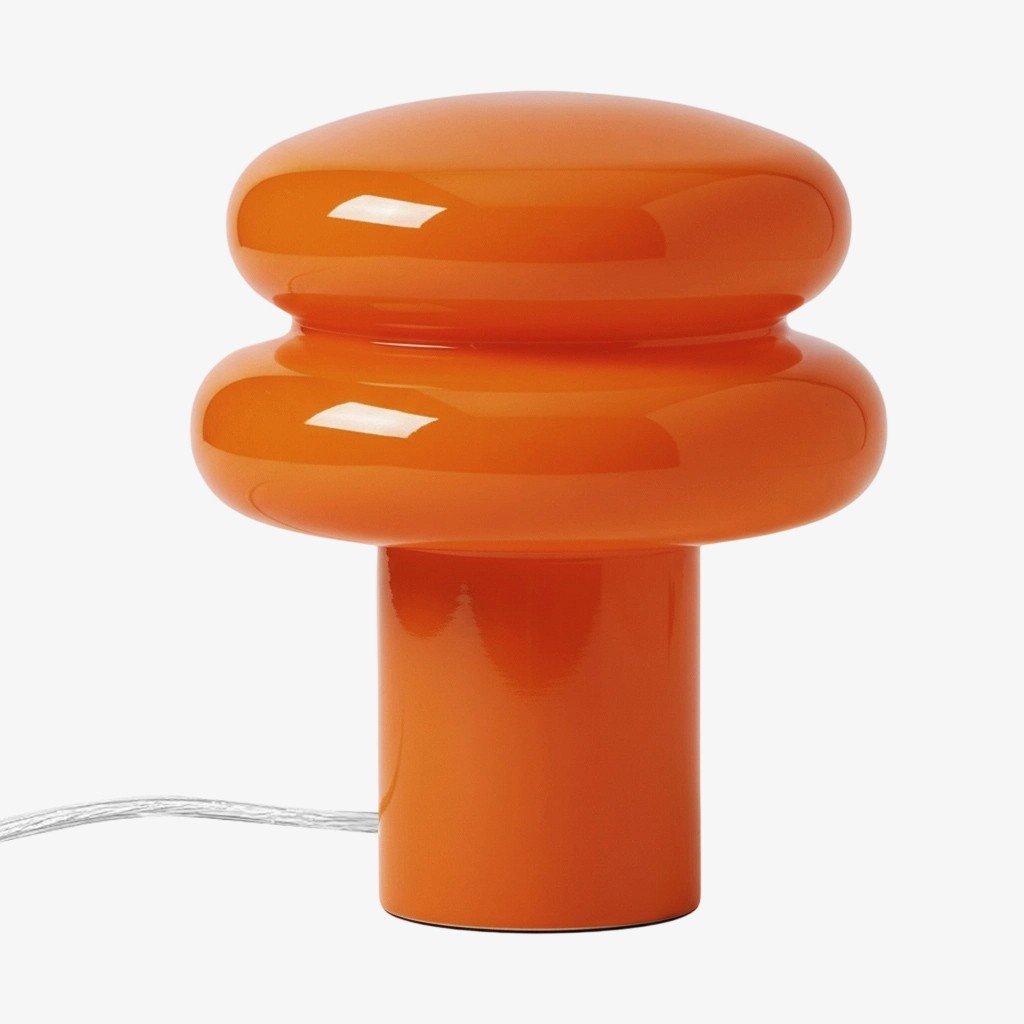
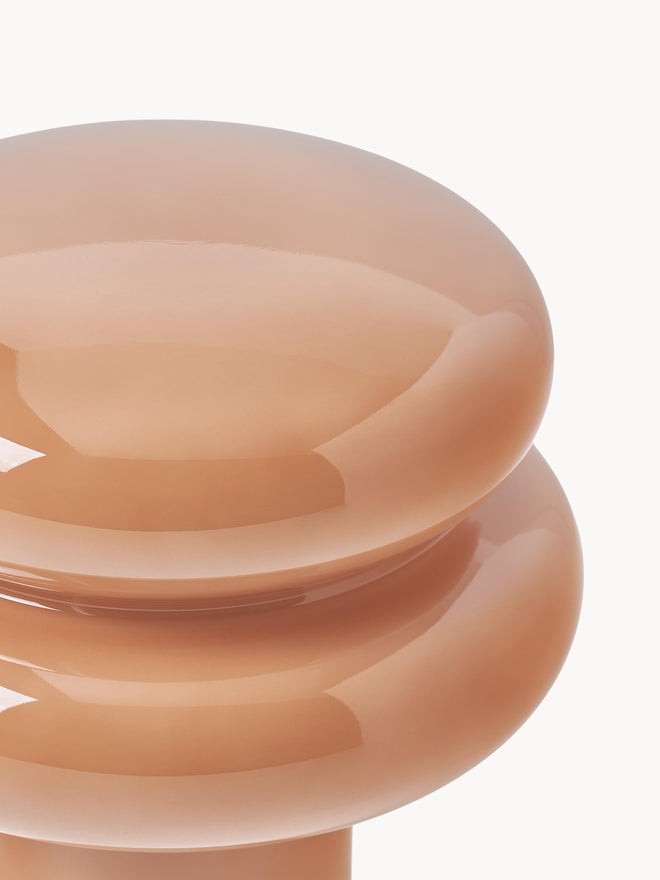
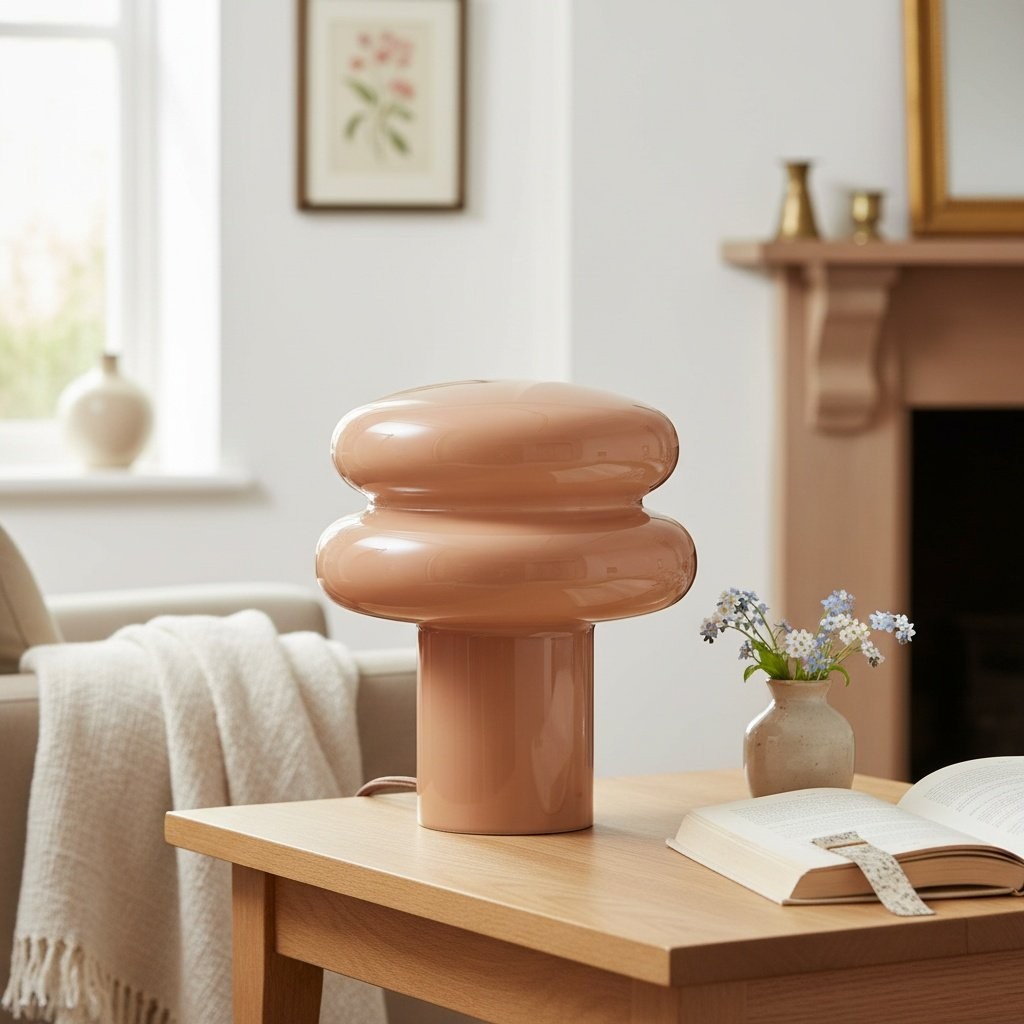
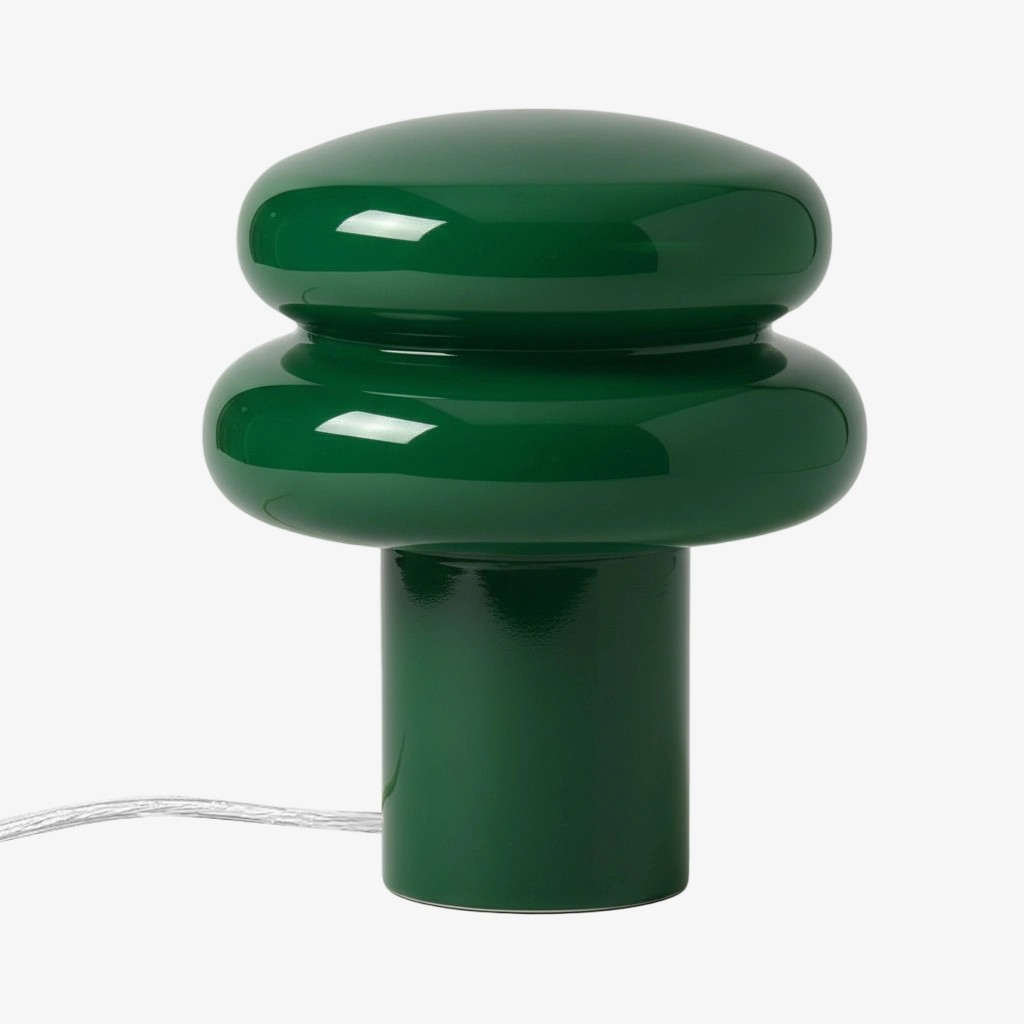
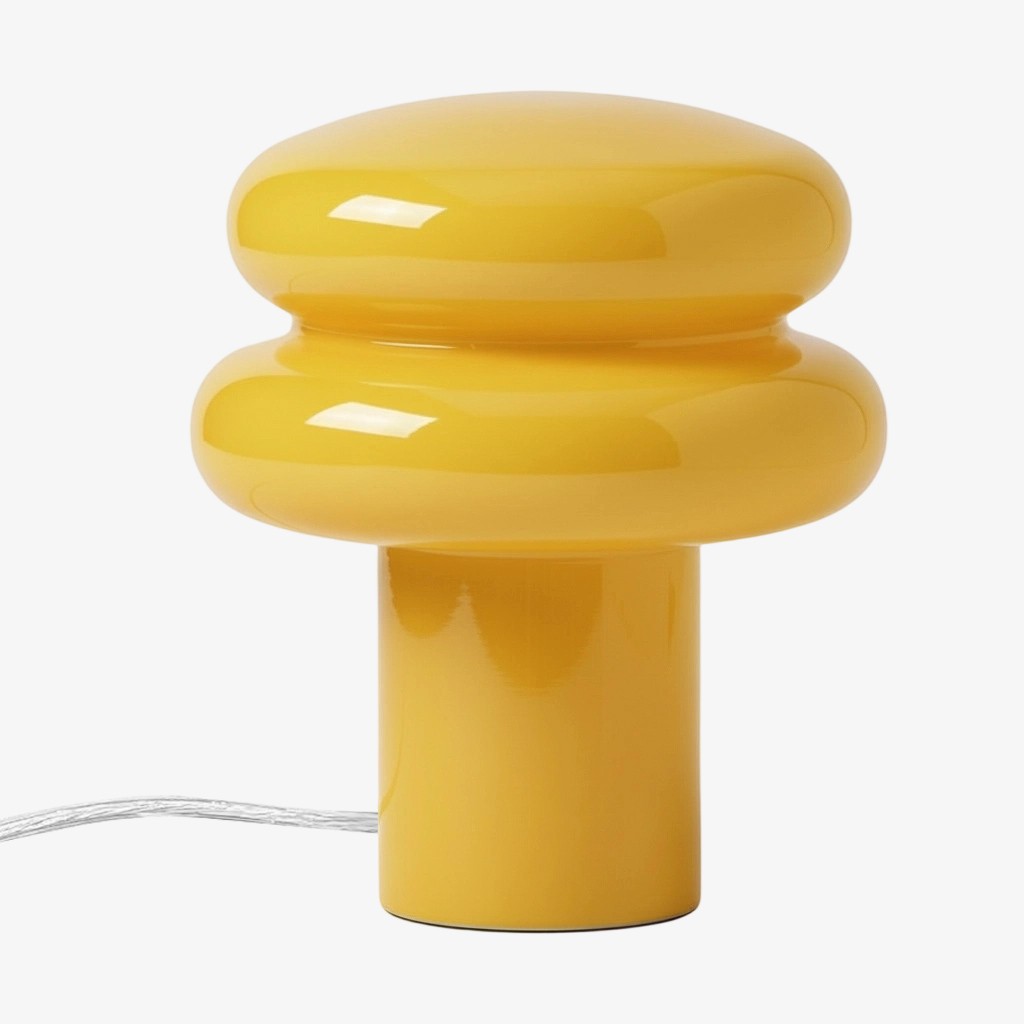
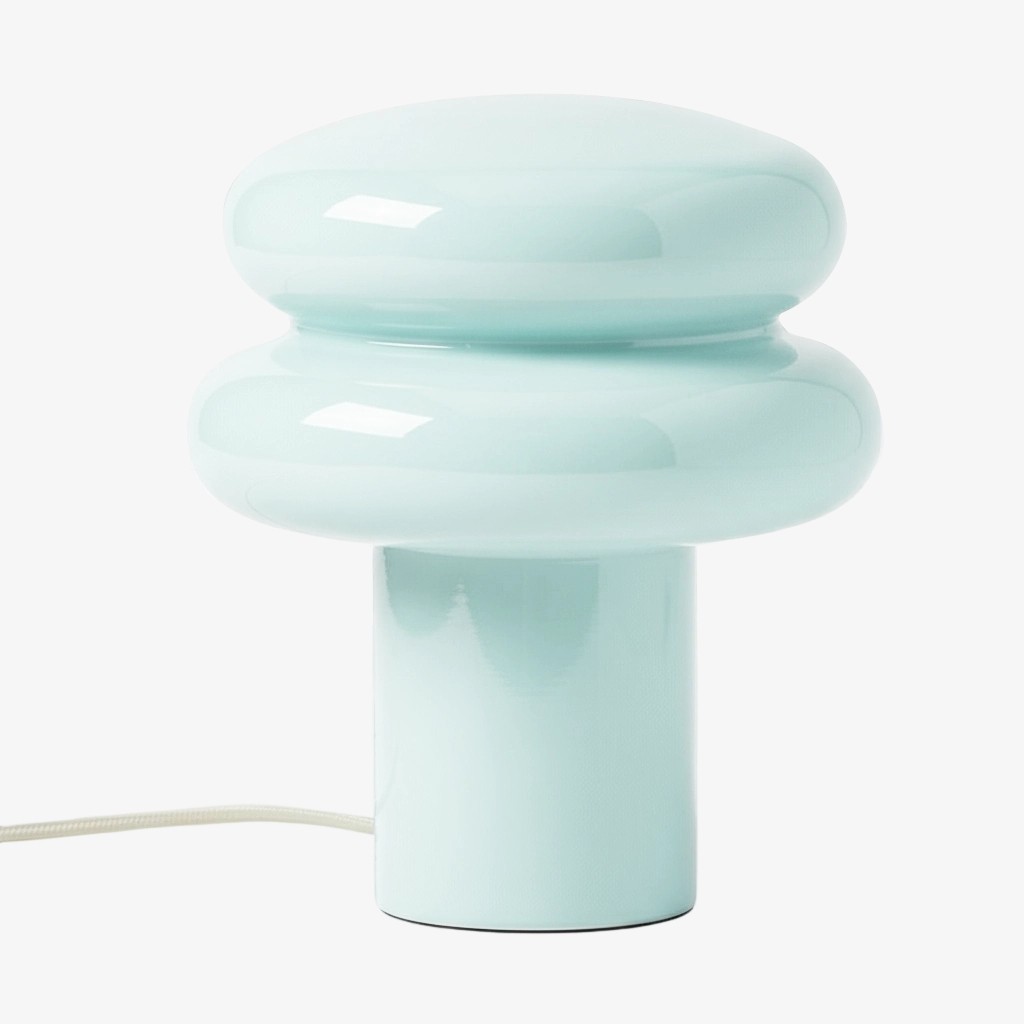
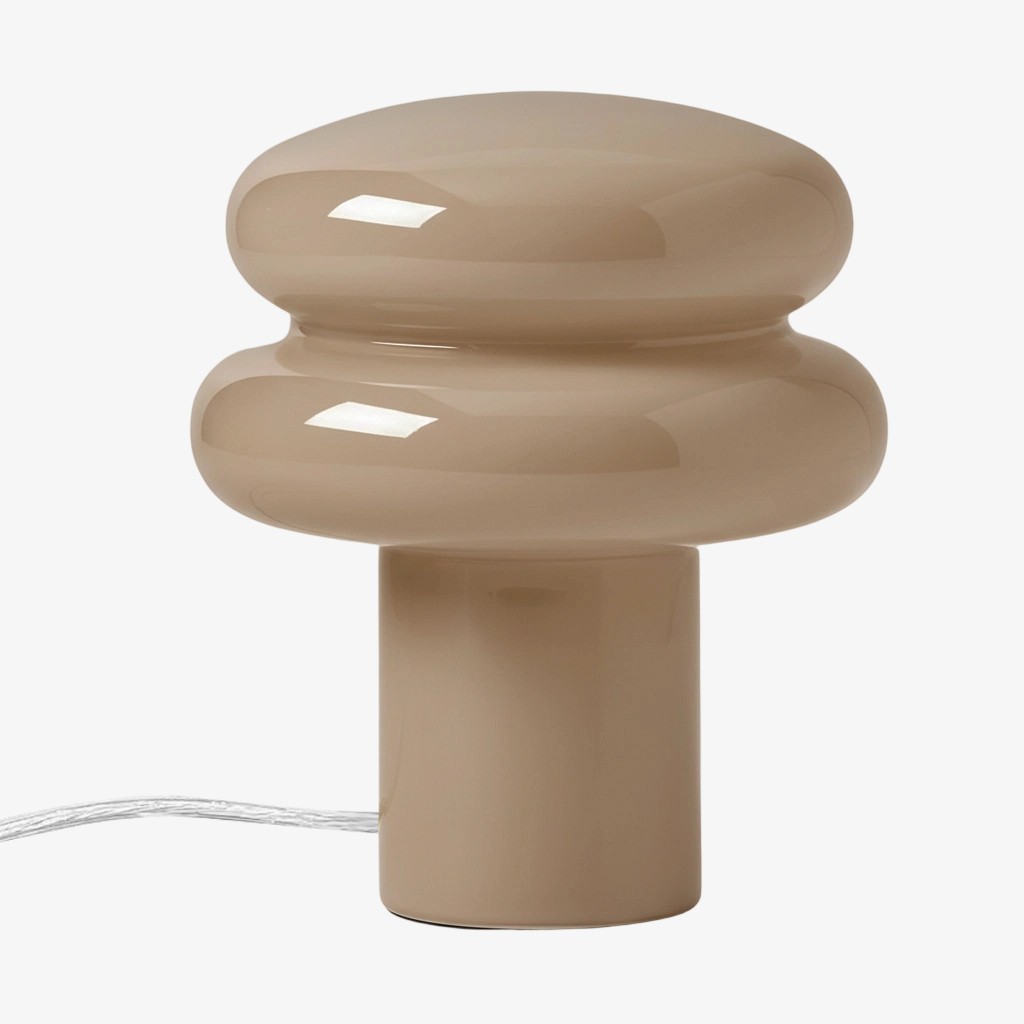
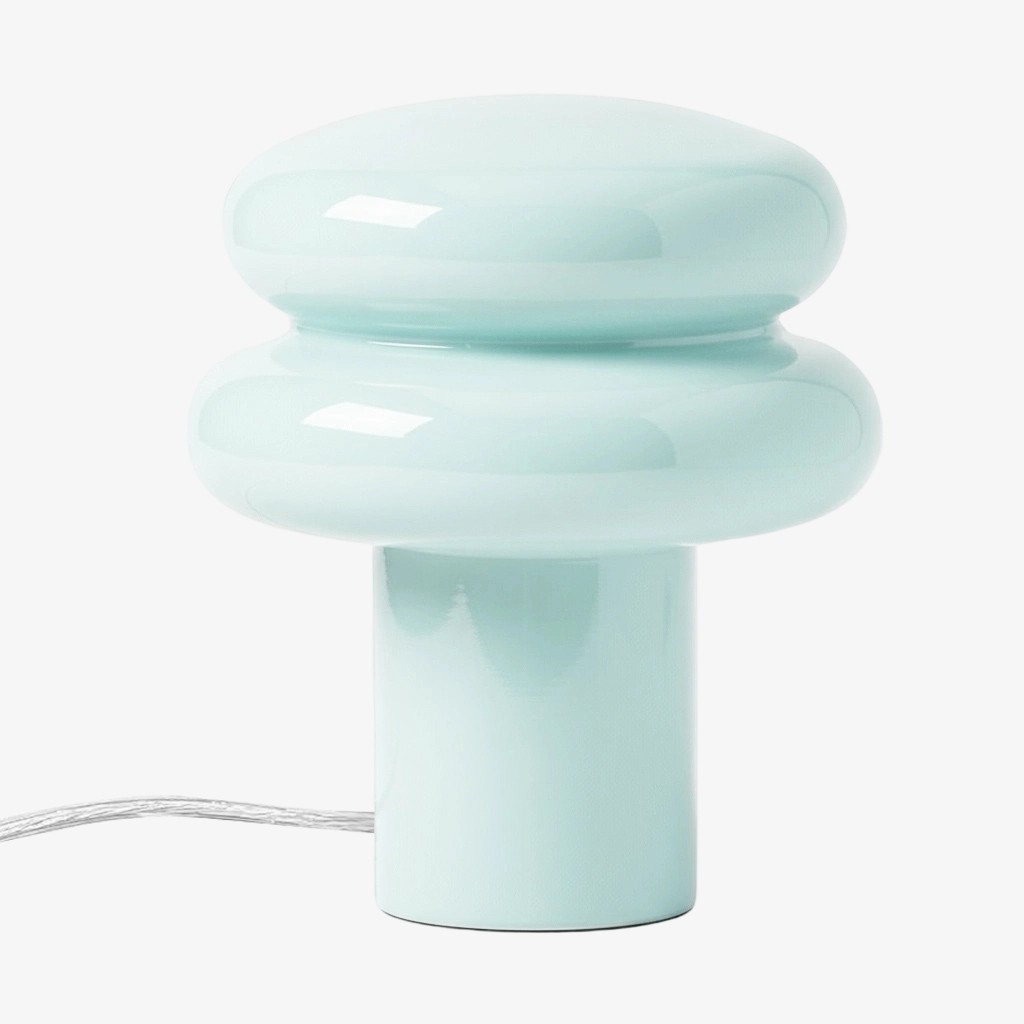
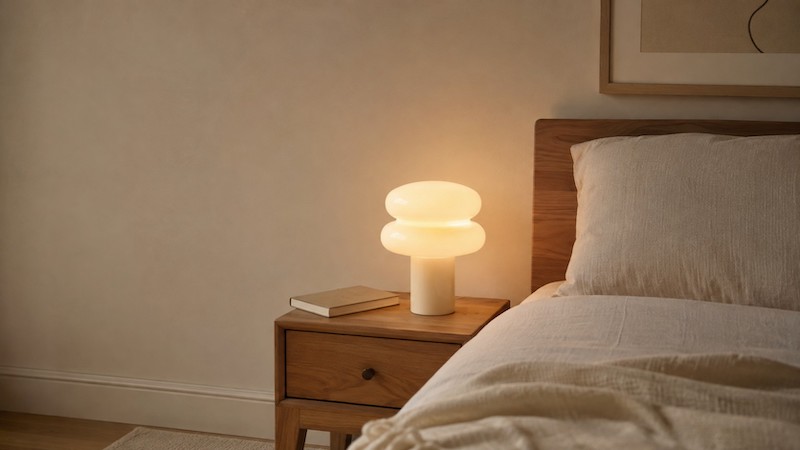
The Orra Mushroom Glass Table Lamp is a small 9 cm diameter, 20 cm high opal glass lamp with an E14 socket. The bulb is not included, so the lamp’s final brightness comes from your selected bulb and the way the shade distributes it.
First Decide What the Lamp Must Do
A bedside lamp may help you wind down, find a phone, pour water, read a few pages, or provide the only light on one side of the bed. Those tasks have different visual demands. Decide which job matters most before comparing numbers.
If the room already has a ceiling or wall light, the bedside lamp can stay lower and softer. If the lamp is expected to carry sustained reading, judge the page from the bed rather than the table surface. A lamp can look bright on the nightstand while still being poorly aimed for reading.
What 200 Lumens Feels Like
A 200-lumen bulb is a sensible first test when the lamp’s job is atmosphere, orientation or a small pool of light near the bed. In an opal shade, the light may feel calm because the visible source is spread across the glass rather than presented as a bare point.
The limitation is reach. At a distance, or with dark bedding and no other room light, 200 lumens may leave a book or nearby object underlit. Do not compensate by staring directly at a brighter shade; move the lamp or add a task layer if the page is the real priority.
What 400 Lumens Feels Like
Around 400 lumens is often a useful middle starting point for a small bedside lamp that needs to do more than glow. It may provide enough local light for getting ready for bed, checking a label or reading briefly at close range, especially when the lamp is placed near the user and the room has some ambient support.
The word “around” matters. Bulb efficiency, shade geometry, wall colour and the lamp’s position change the result. Test the installed lamp with the glass shade in place and with the other room lights in their normal evening state.
When 600 Lumens Is Too Much or Justified
A 600-lumen bulb can be justified when the bedside lamp must provide a stronger local task layer, when the user needs more visual contrast, or when the room has few other lights. In a small opal shade close to eye level, however, it may create a bright surface that feels more intense than the number suggests.
Use the highest option only after checking the page, the shade and the surrounding contrast. If the room becomes uncomfortable when the lamp is on but the book remains awkwardly lit, the answer is not simply “more lumens.” A separate adjustable reading light may solve the direction problem better.
Why a Low-Lumen Bulb Can Still Feel Harsh
A low lumen label does not guarantee comfort. The CIE definition of glare links discomfort or reduced visibility to unsuitable luminance distribution, range or extreme contrast. A bulb viewed directly through a small bright area can feel harsh even when the total output is modest.
The room matters too. A lamp that feels comfortable with the ceiling light on may feel intense in a dark room because the contrast is greater. Check the lamp from the bed, from the side and while reclined. If the bright area enters your direct view, adjust the position or change the light source rather than assuming the lumen number is wrong.
Does Opal Glass Reduce Useful Light?
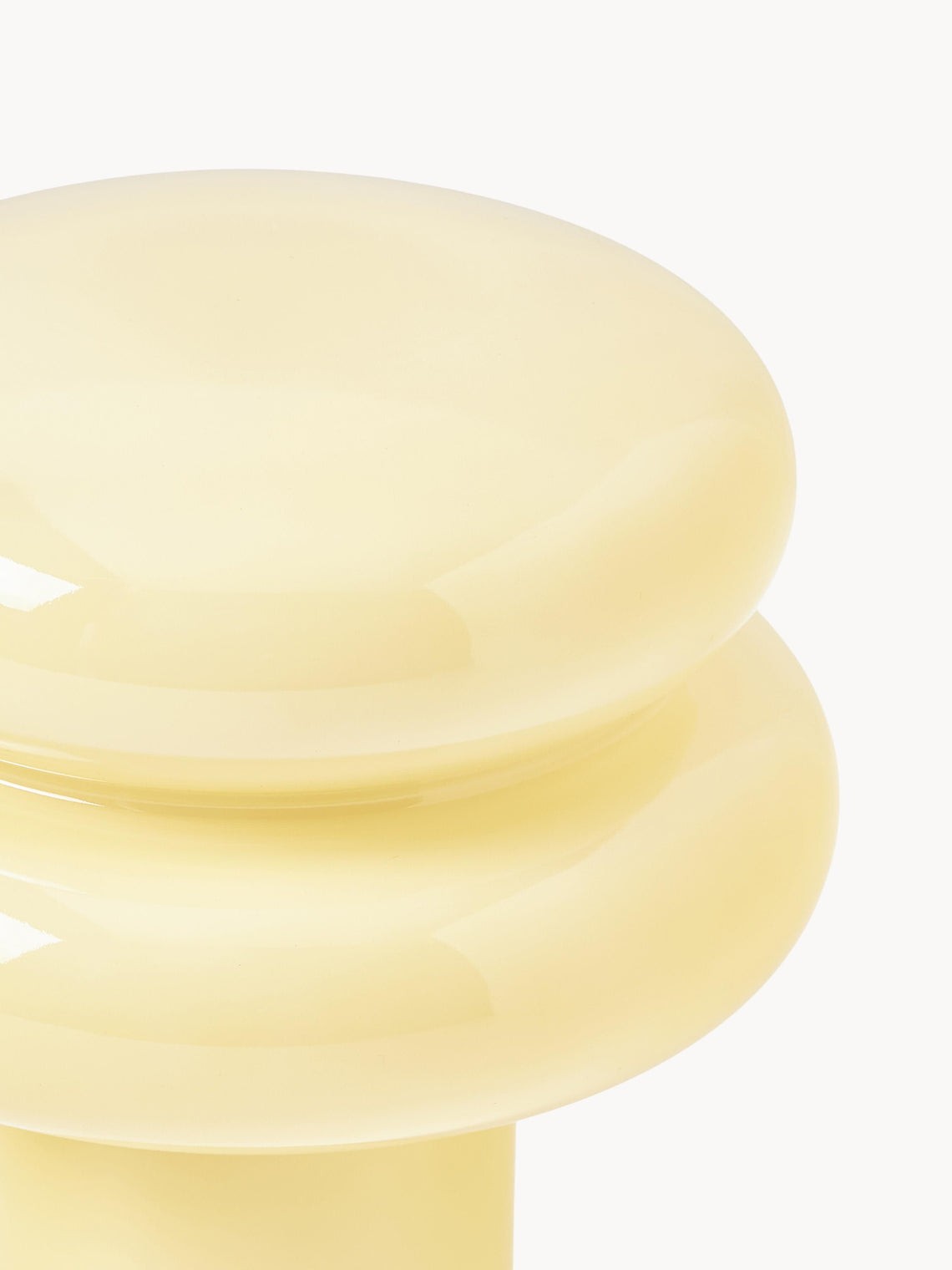
Opal glass changes where the light goes and how the source appears. It can spread the glow and soften the outline of the bulb, but the product page does not provide a measured transmission percentage, so do not claim that a specific fraction of lumens is lost. Treat the package value as the bulb’s rated output and the finished lamp as a separate visual test.
The most useful question is not “How many lumens survive the glass?” but “Can I see what I need without an uncomfortable bright area?” That answer depends on distance, surface colour, posture and the rest of the lighting layer.
Keep Brightness and Colour Temperature Separate
Kelvin describes the colour appearance of white light. A government lighting guide lists warm white at roughly 2700–3200 K, cool white around 4100 K and daylight around 5500–6500 K. Warm white is usually more restful for a bedroom, while a cooler setting can feel more alert.
Kelvin is not a brightness scale. Choose lumens for the task, then choose Kelvin for the mood and the colours in the room. If a page is too dim, changing from 2700 K to 4000 K does not automatically add useful light.
Run a Seated Bedside Test
Install the bulb and shade, place the lamp where it will actually live, and sit or recline as you normally do. Test the page, the bedside surface and your direct view of the shade. Repeat with the ceiling light on and off. This simple test catches problems that a lumen number cannot predict.
Keep the result in context: the lamp is an ambient object as well as a light source. If it succeeds at atmosphere but not sustained reading, keep it for the ambient layer and add a directional reading fixture instead of forcing one small glass lamp to do every job.
Frequently Asked Questions
Is 200 lumens enough for a bedside lamp?
It can be enough for orientation and gentle ambient light. Test the page and surface from your real position before assigning it a reading task.
Is 400 lumens better than 200 lumens?
It may be more flexible, but “better” depends on the job, distance, shade and your comfort with the finished lamp.
When should I choose 600 lumens?
Choose it only when you need a stronger local task layer and the installed lamp passes a glare check. More output cannot fix poor direction.
Does opal glass make a lamp automatically comfortable?
No. It diffuses the source, but comfort still depends on luminance distribution, contrast, viewing angle and room lighting.
Does 3000 K mean a bulb is brighter than 2700 K?
No. Kelvin describes colour appearance. Compare lumens for brightness and Kelvin for the warm-to-cool look.