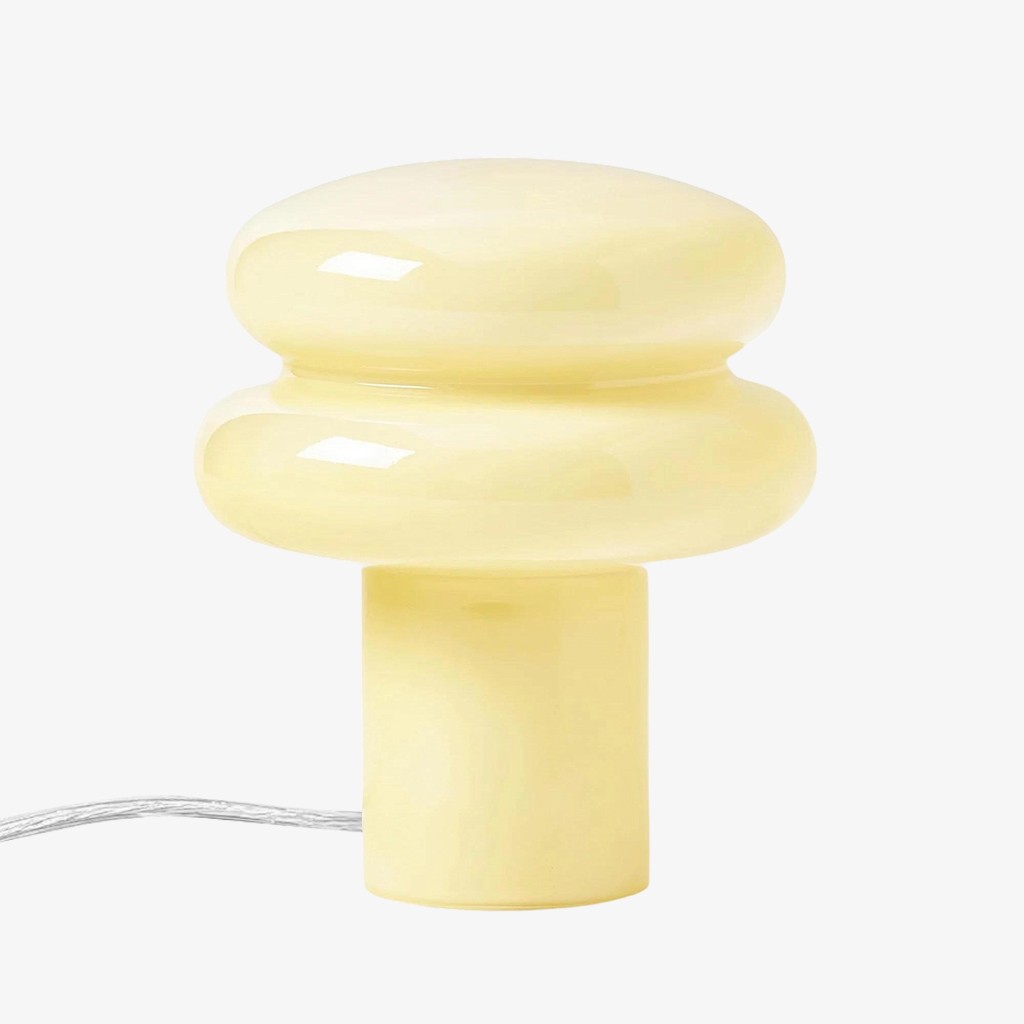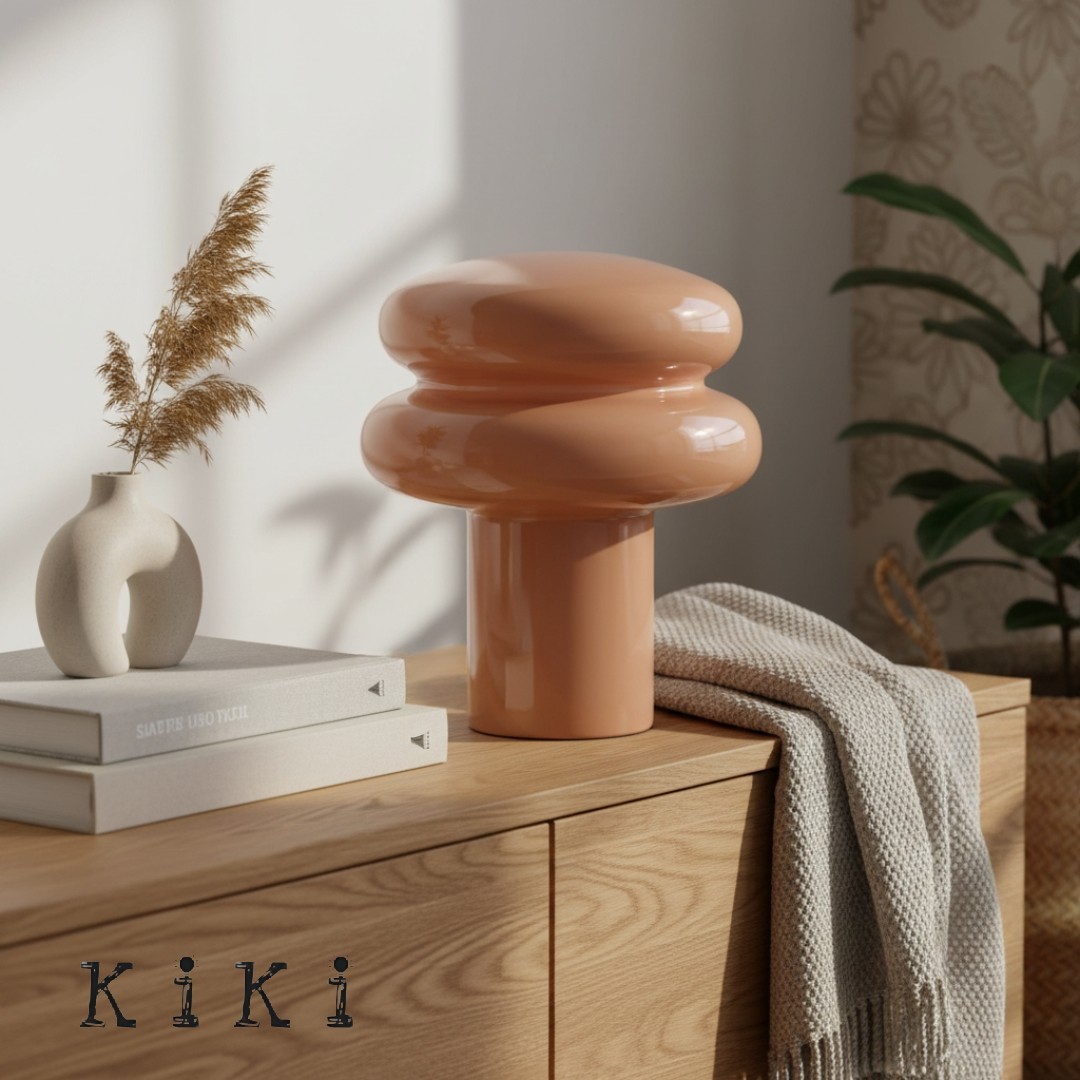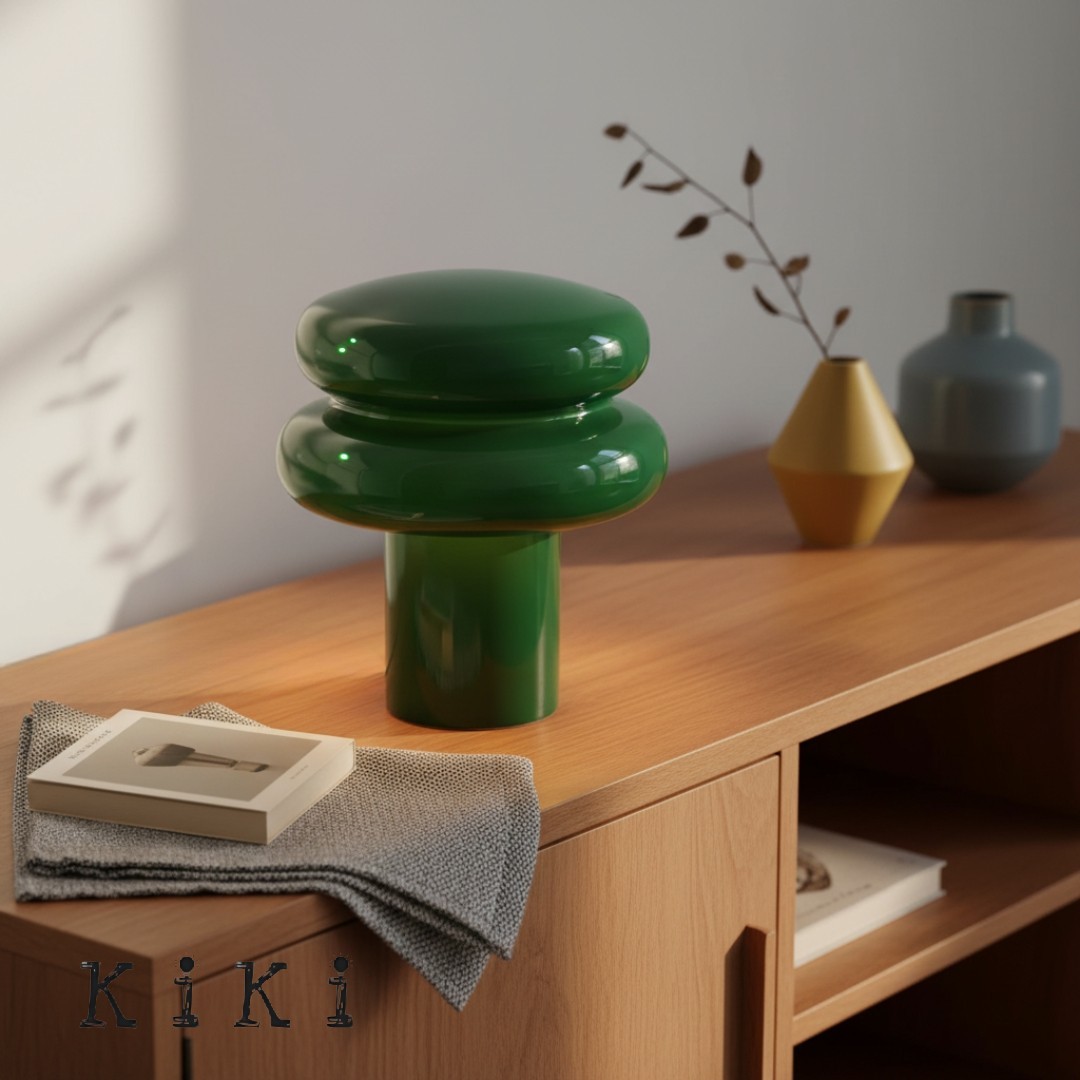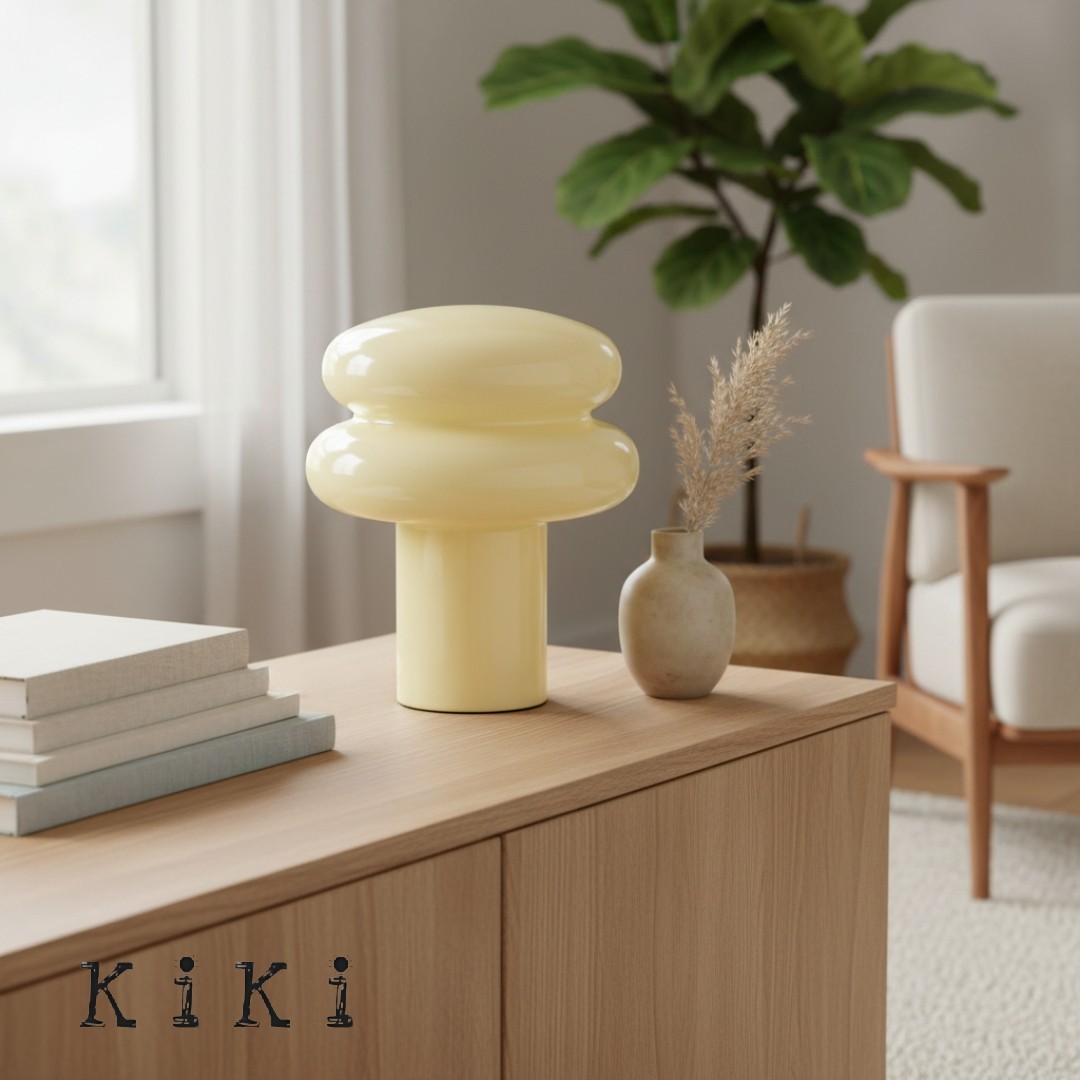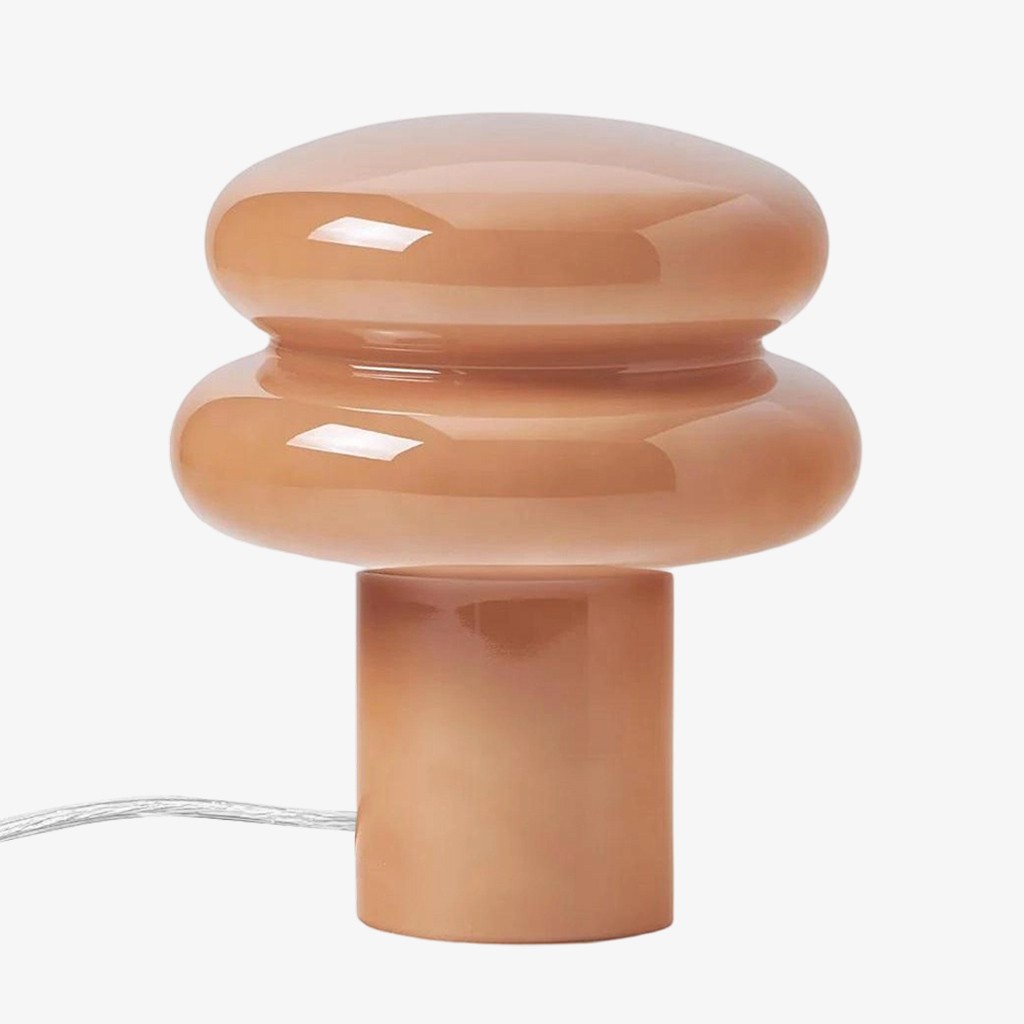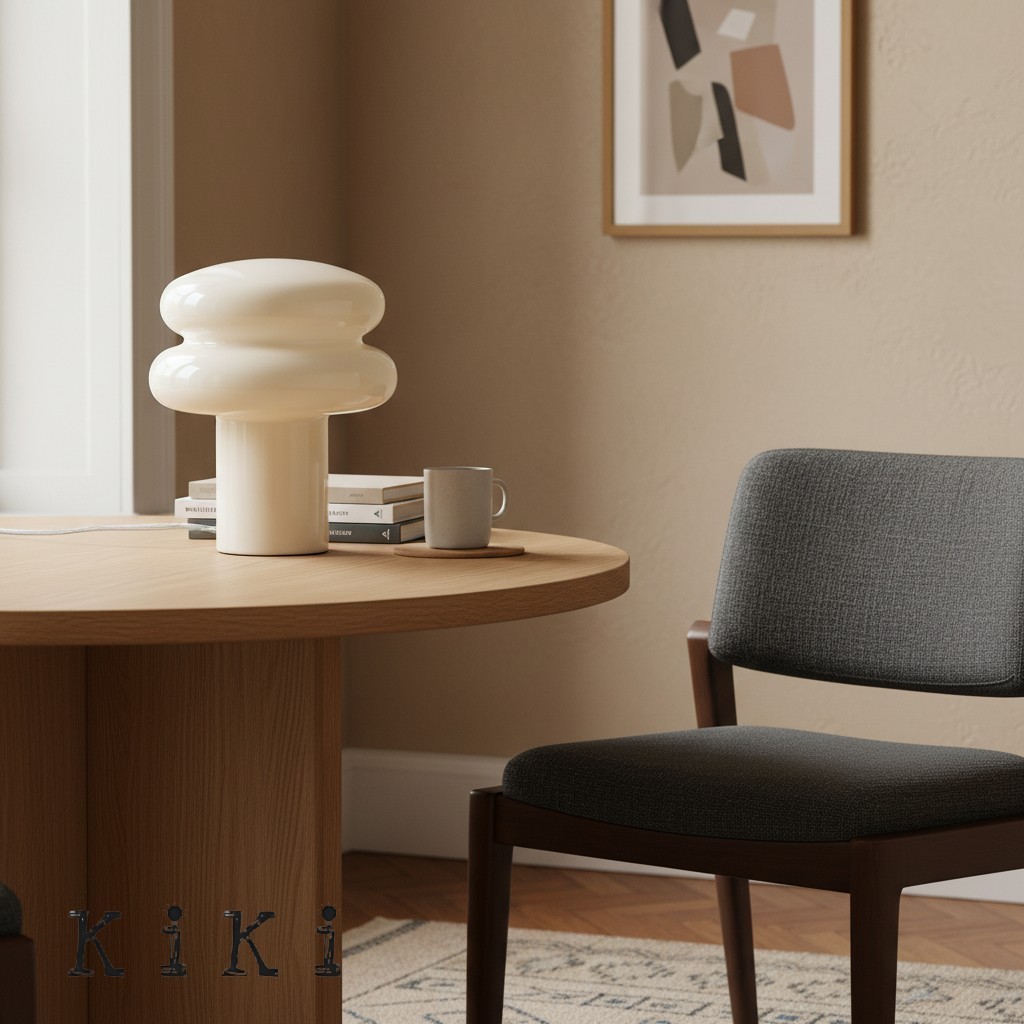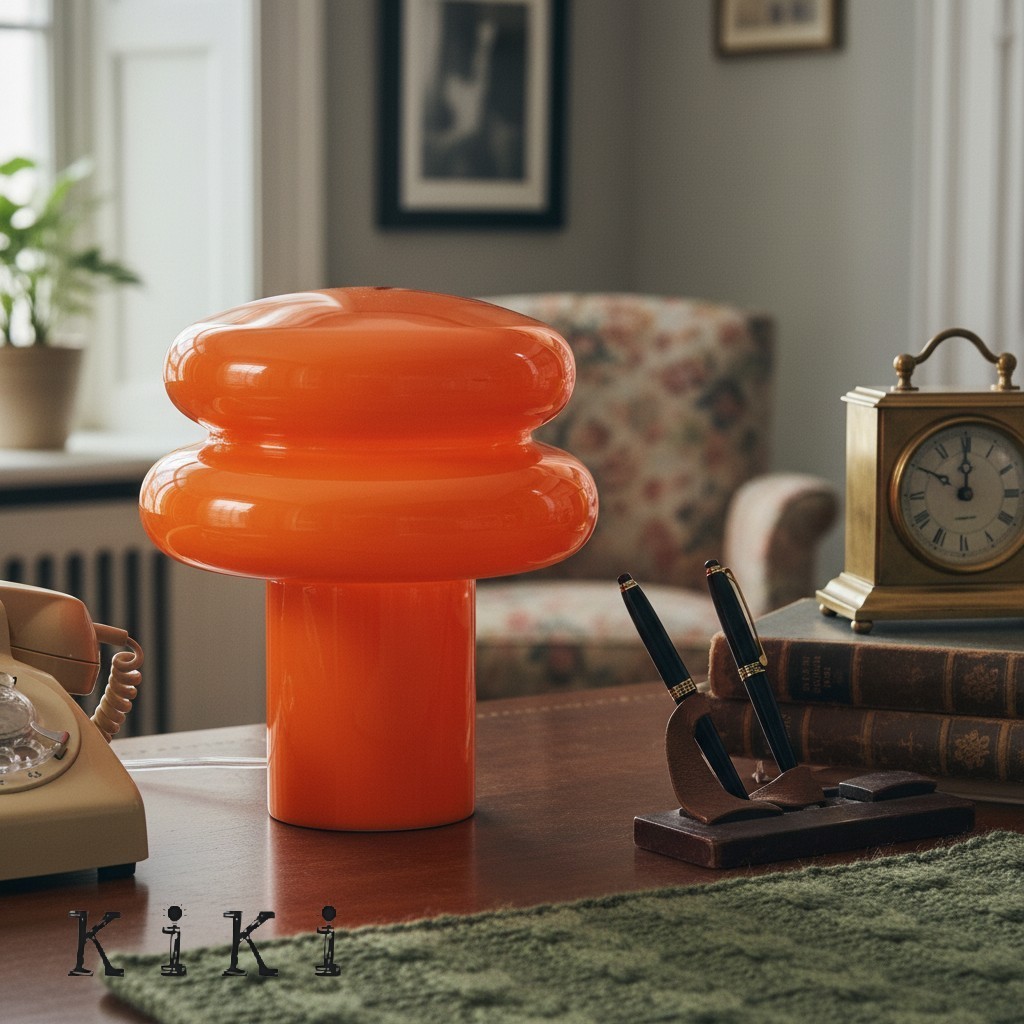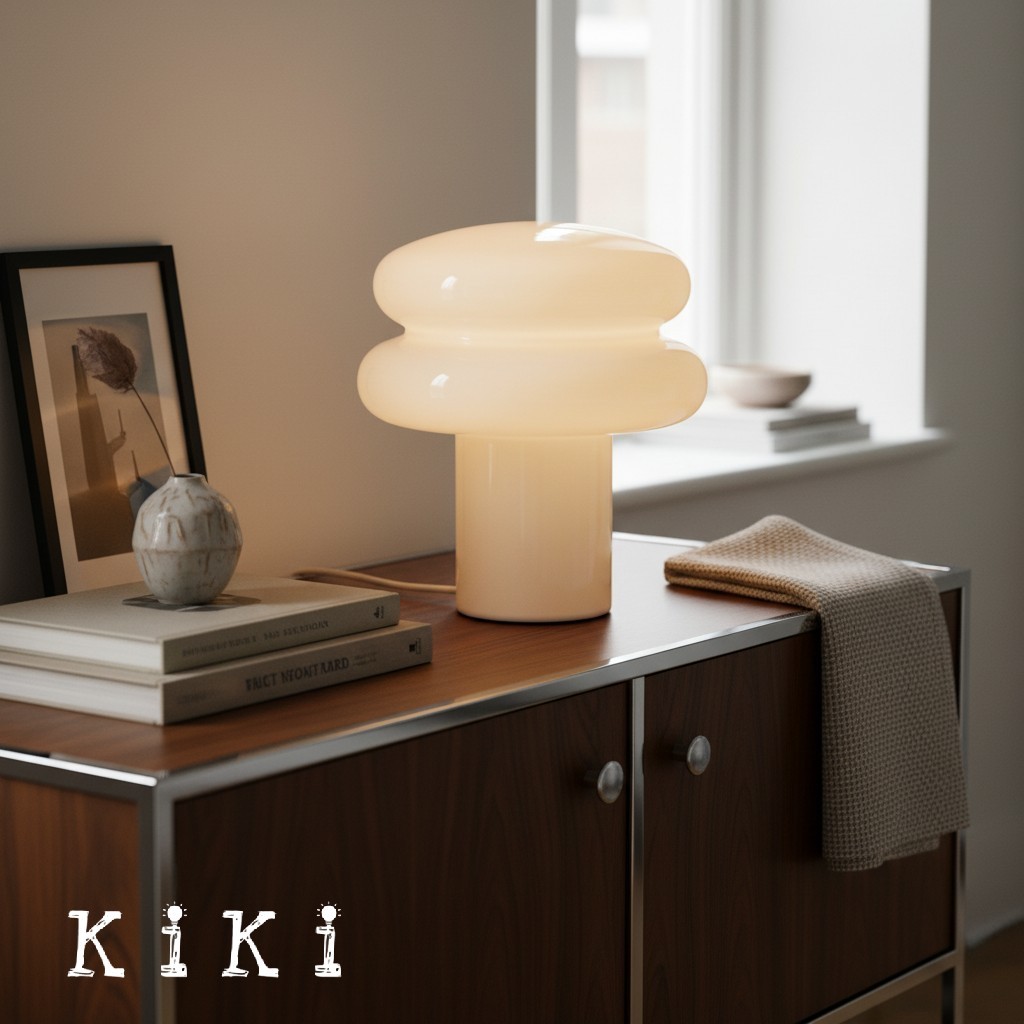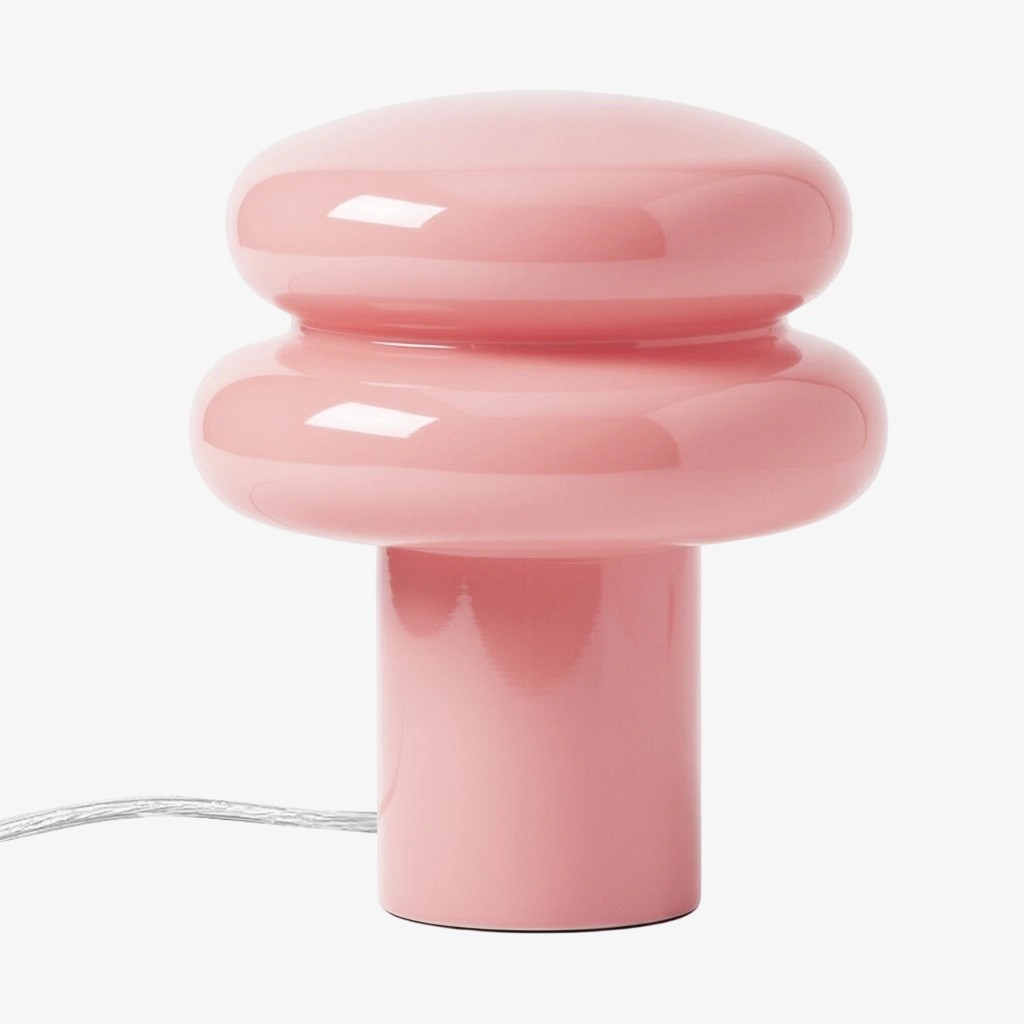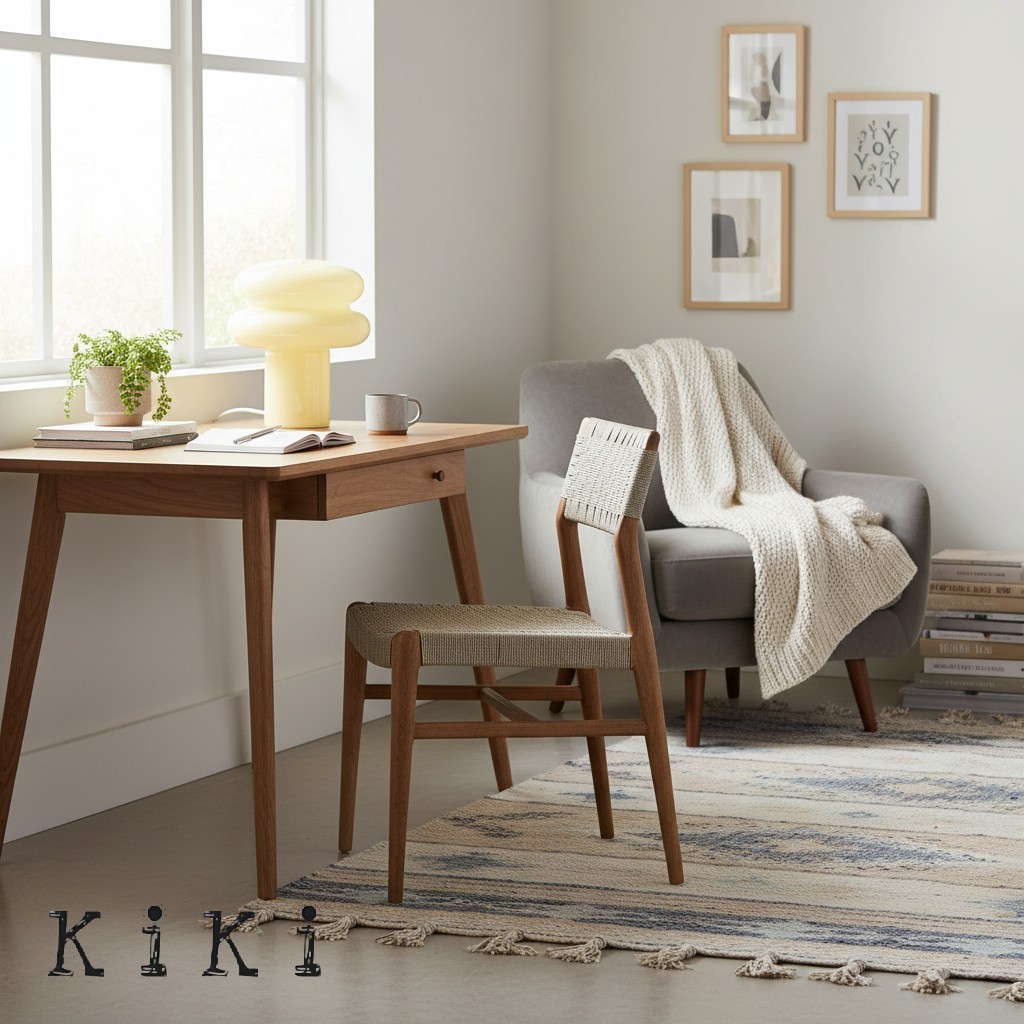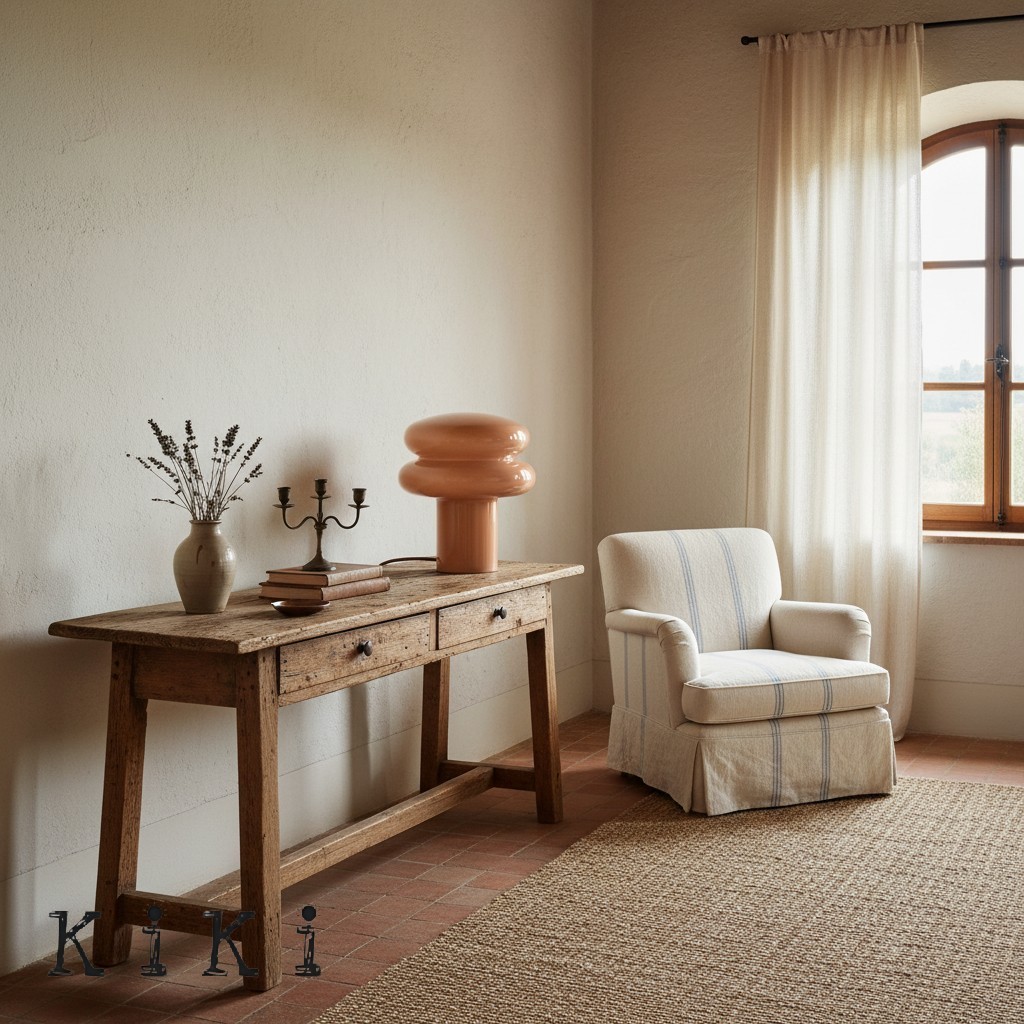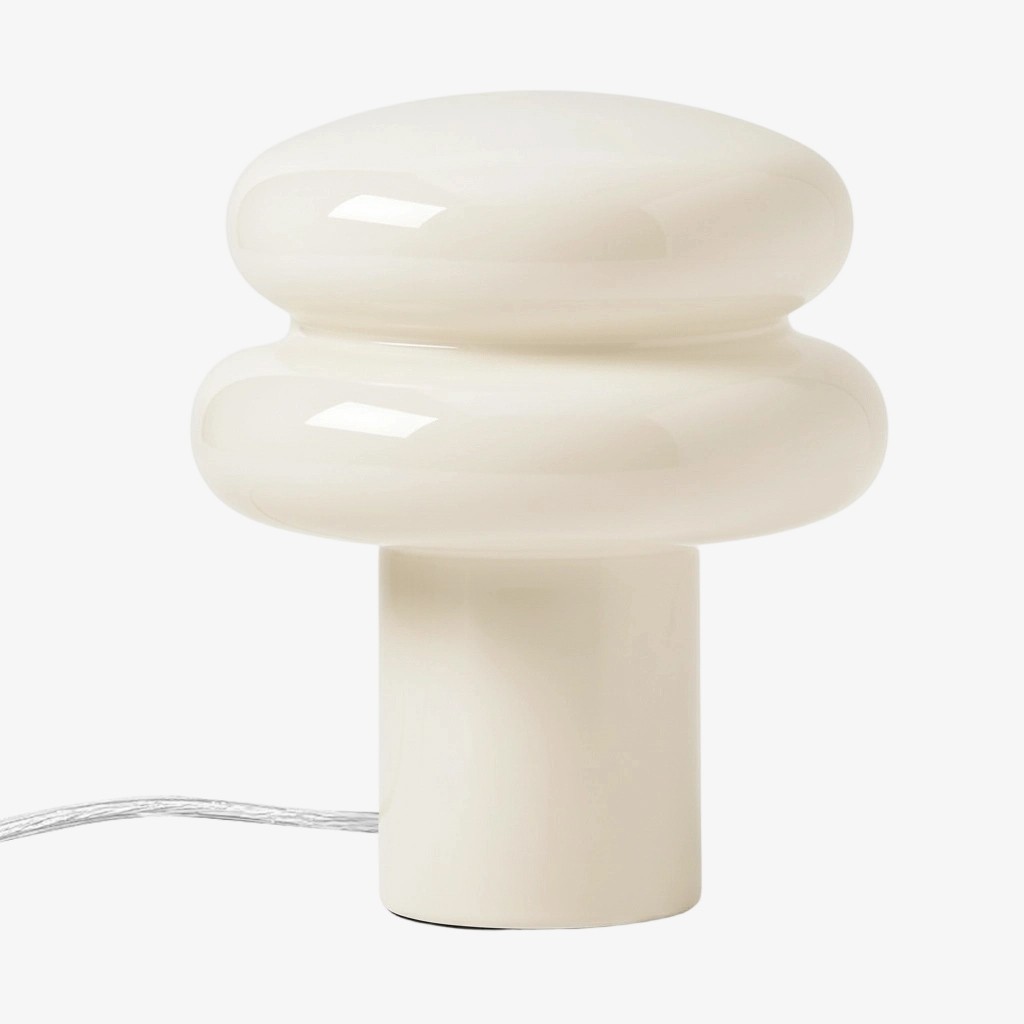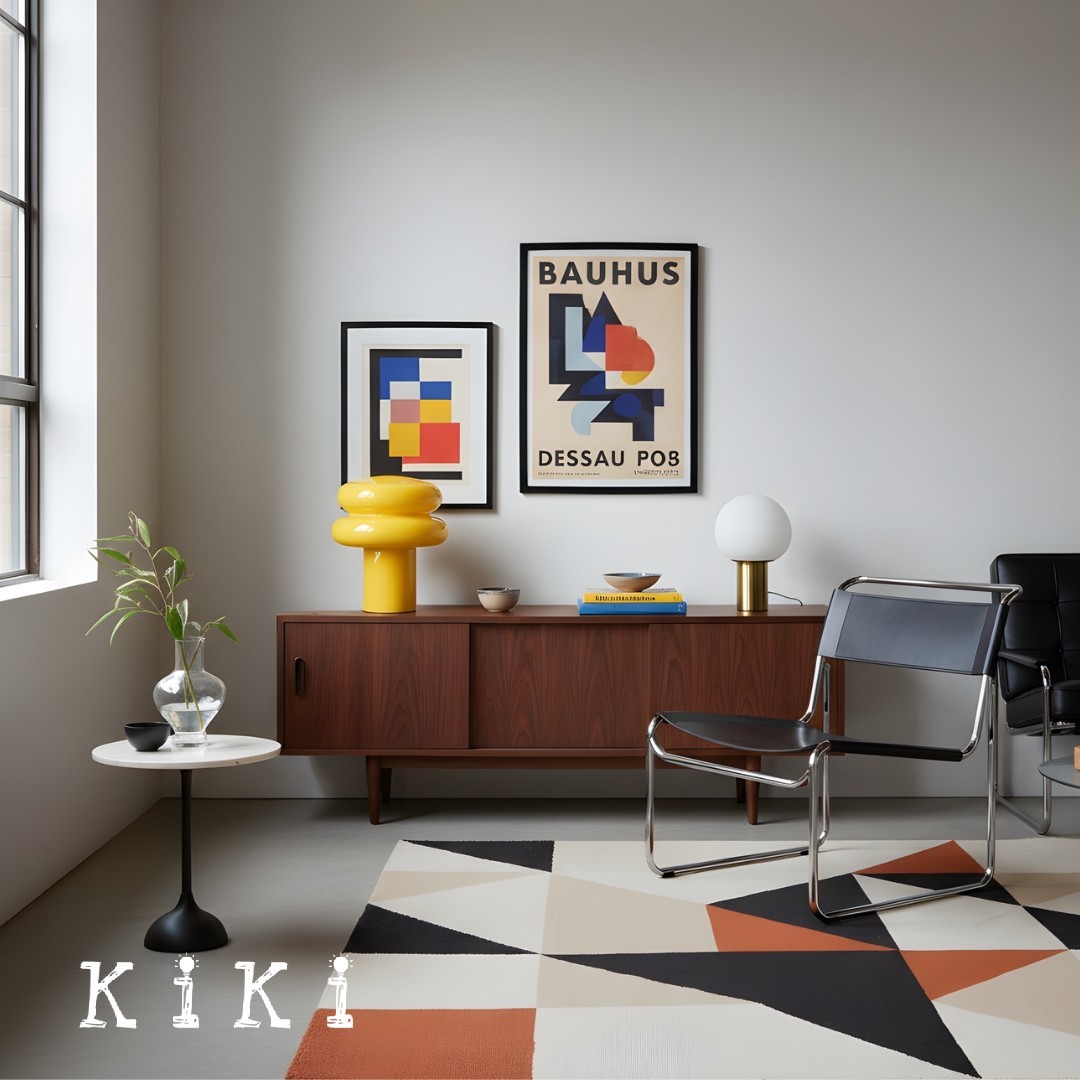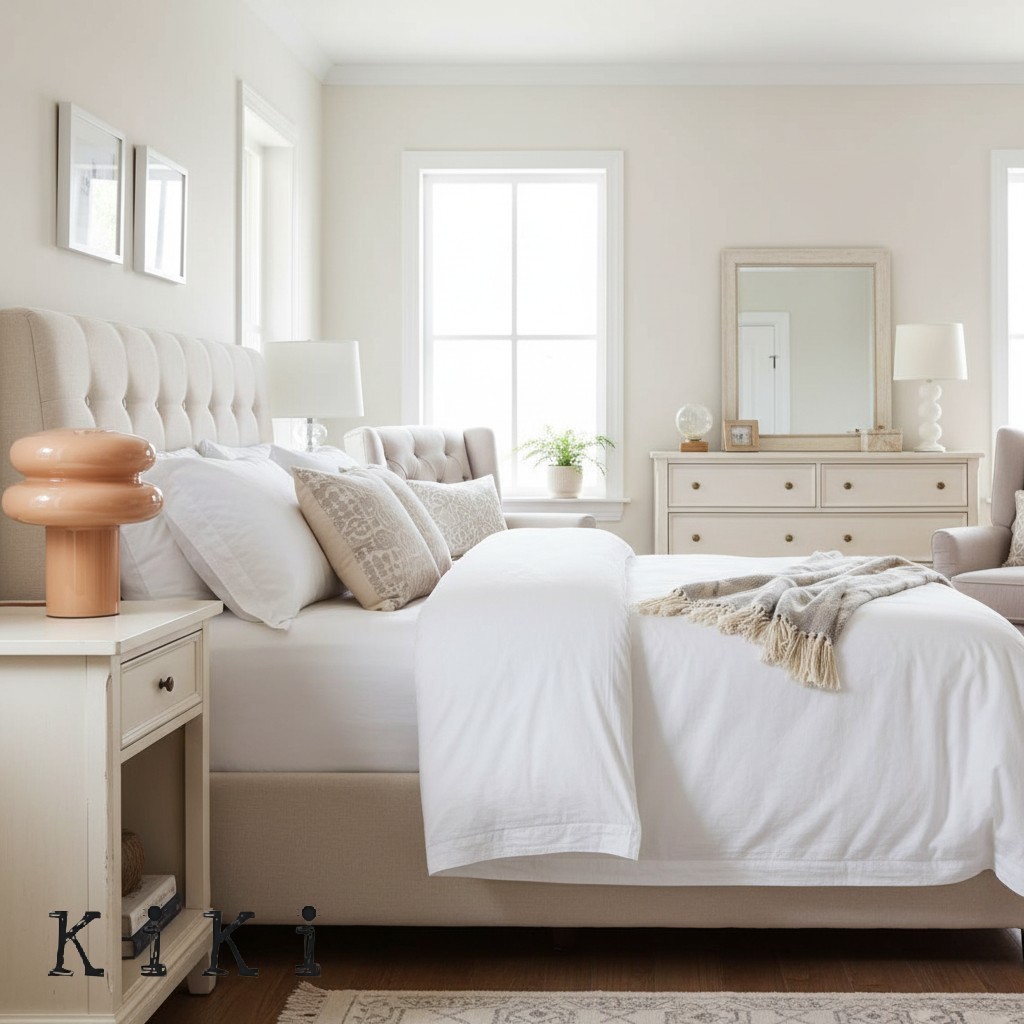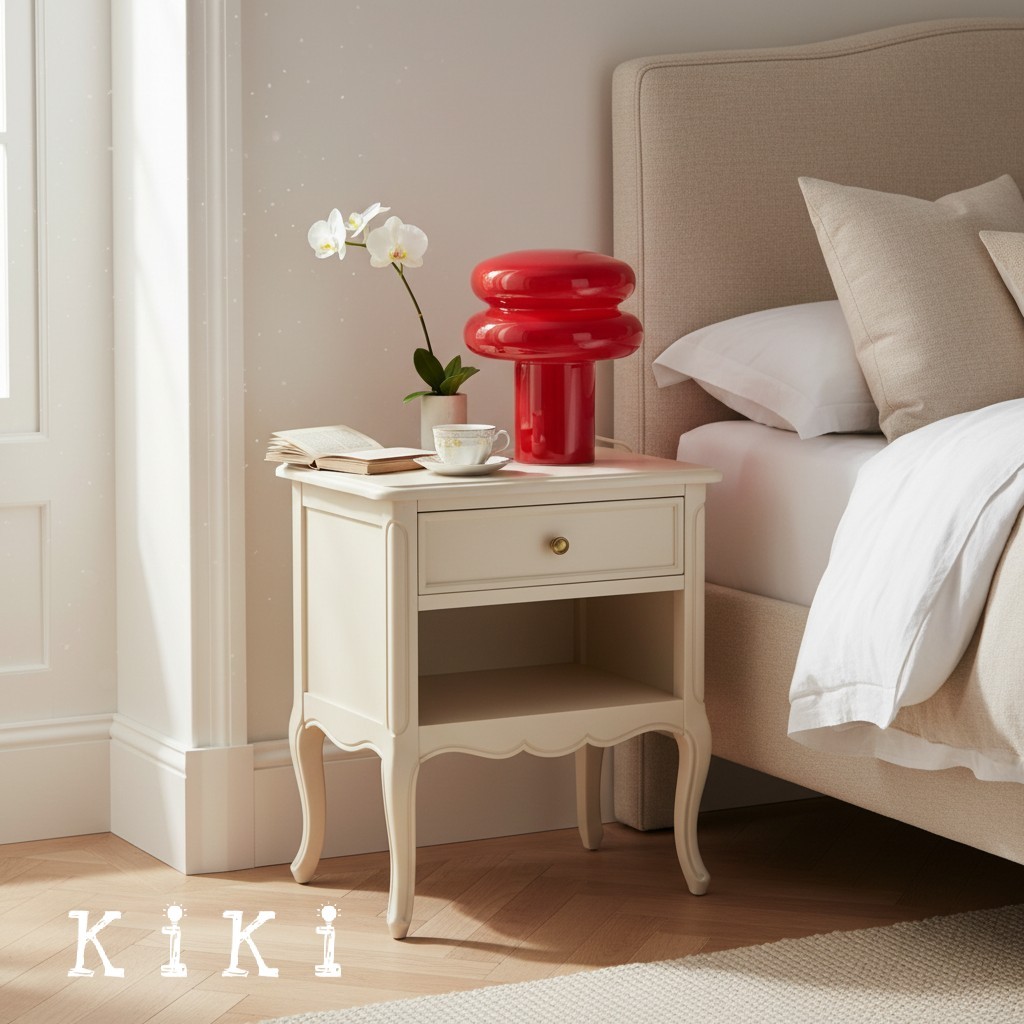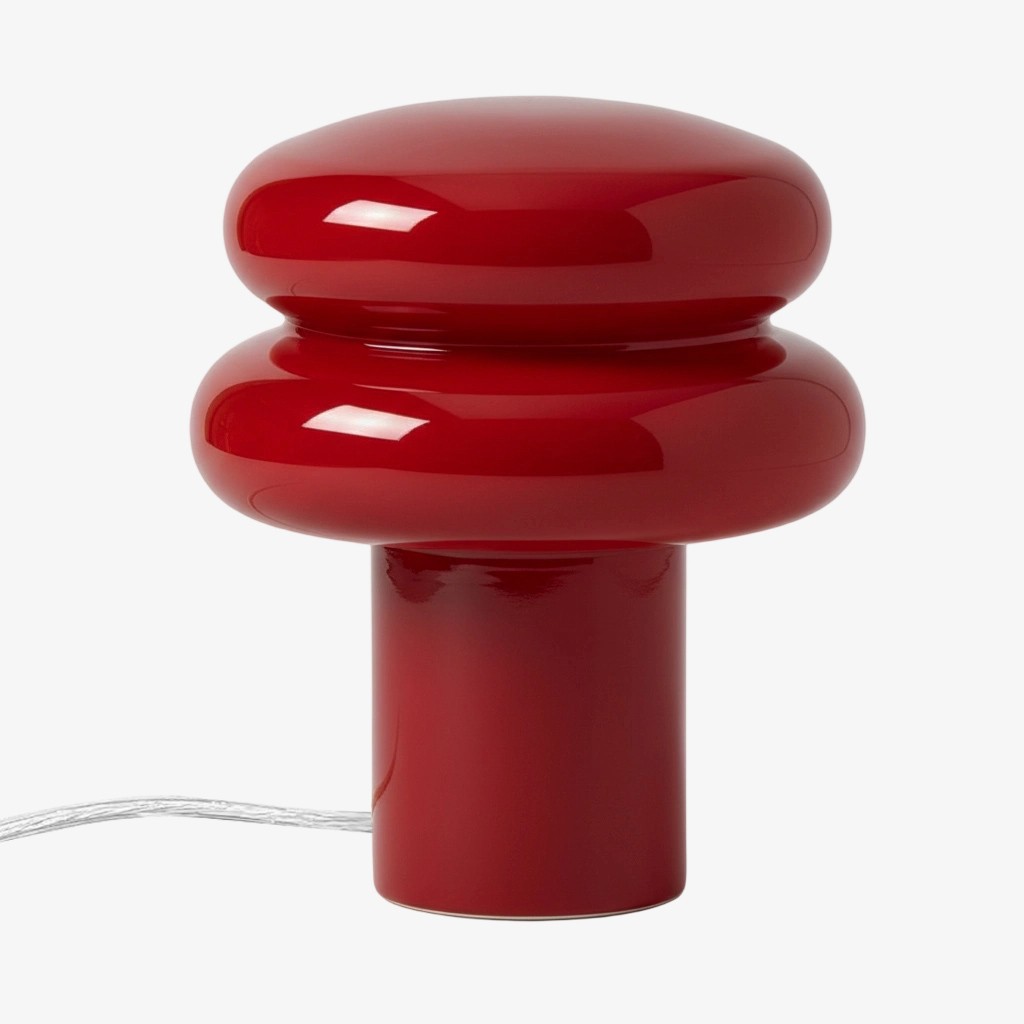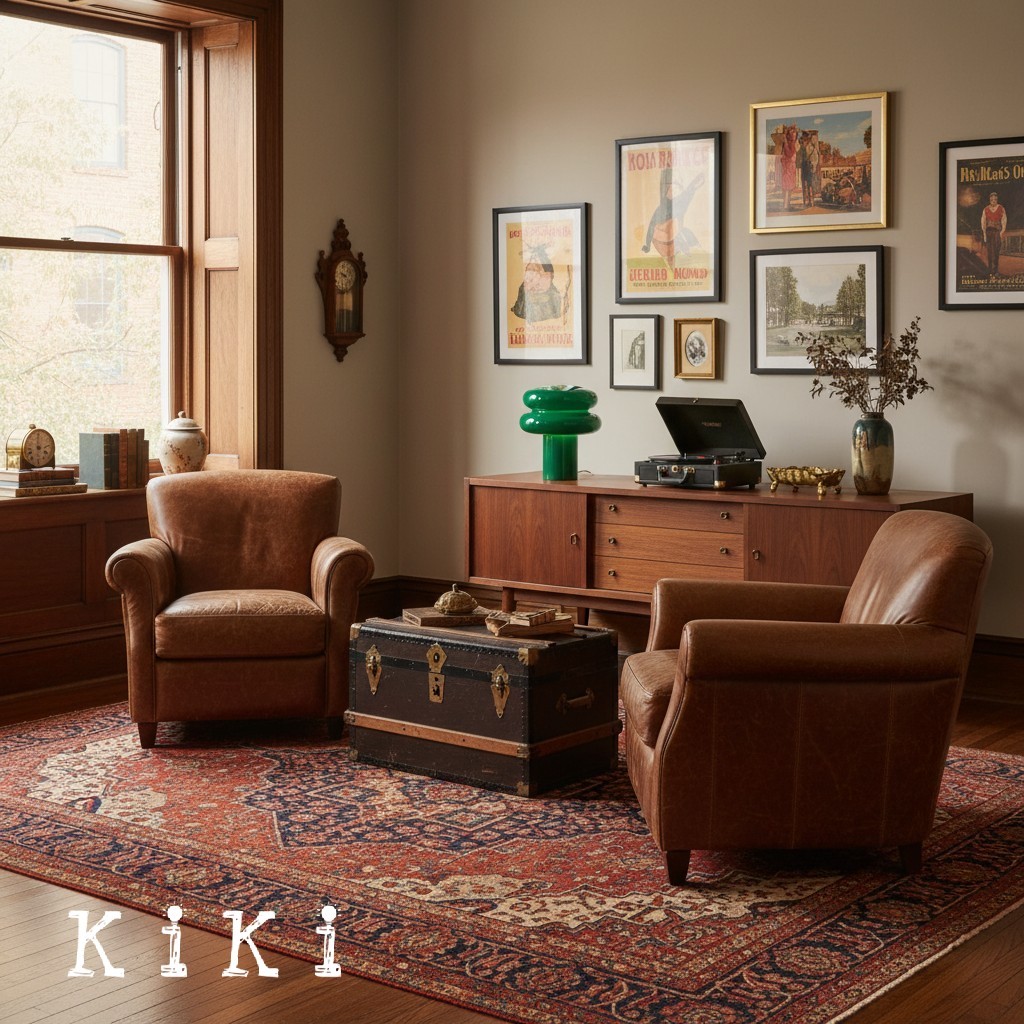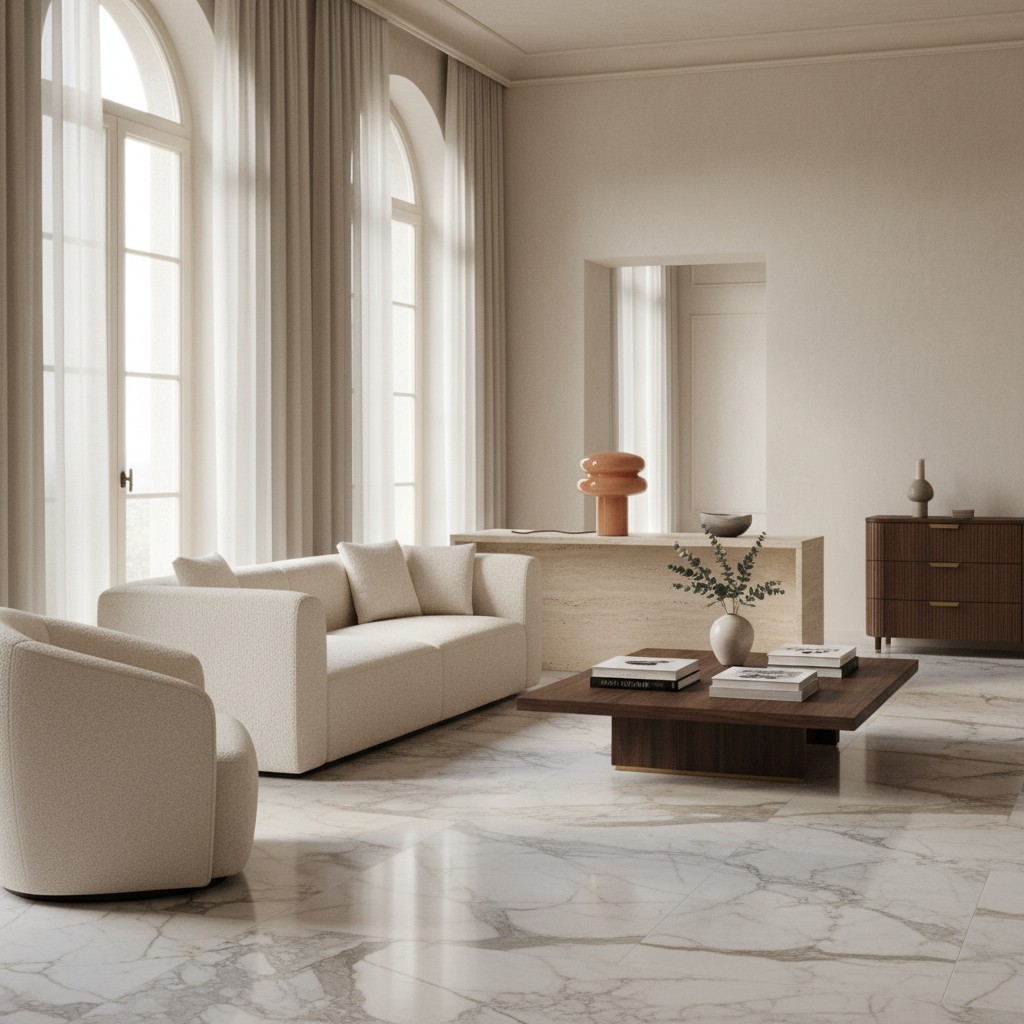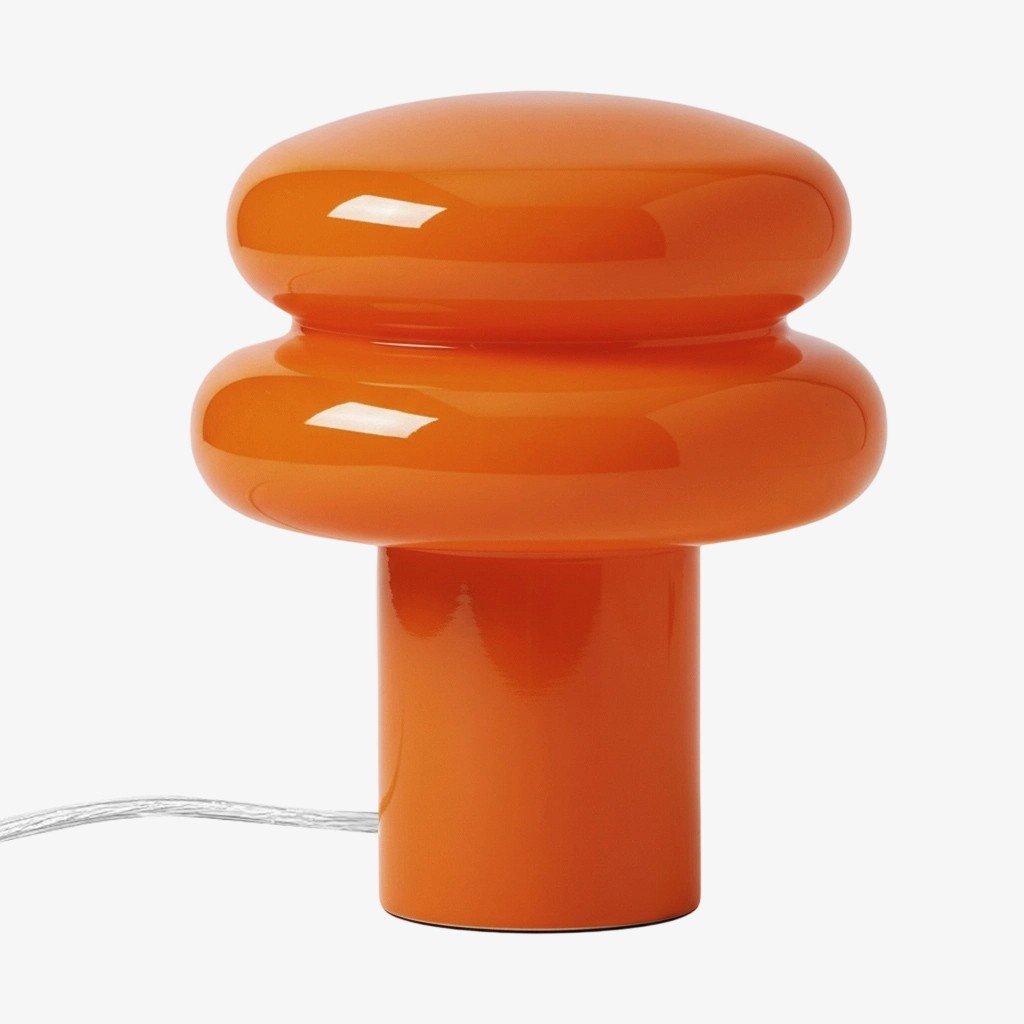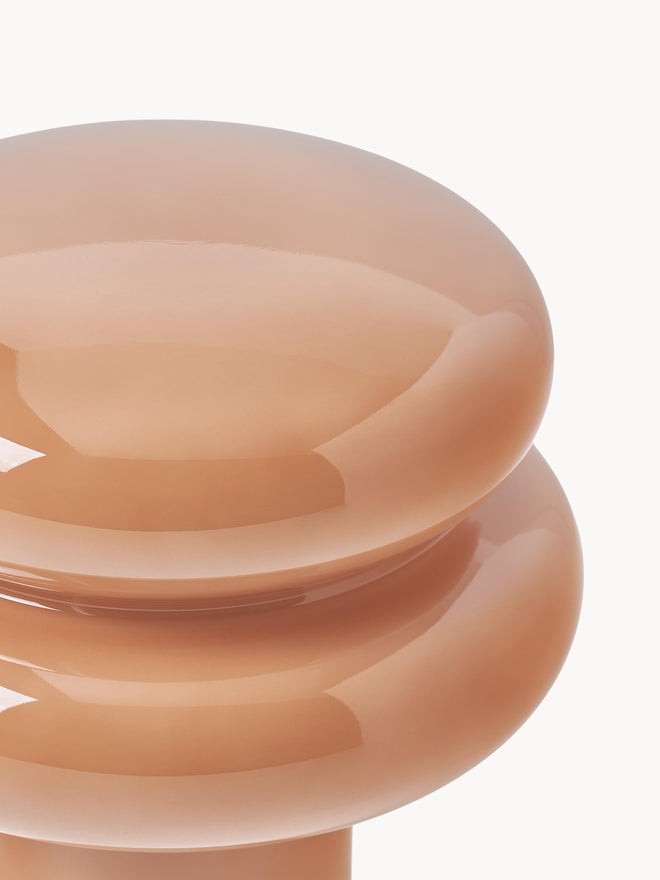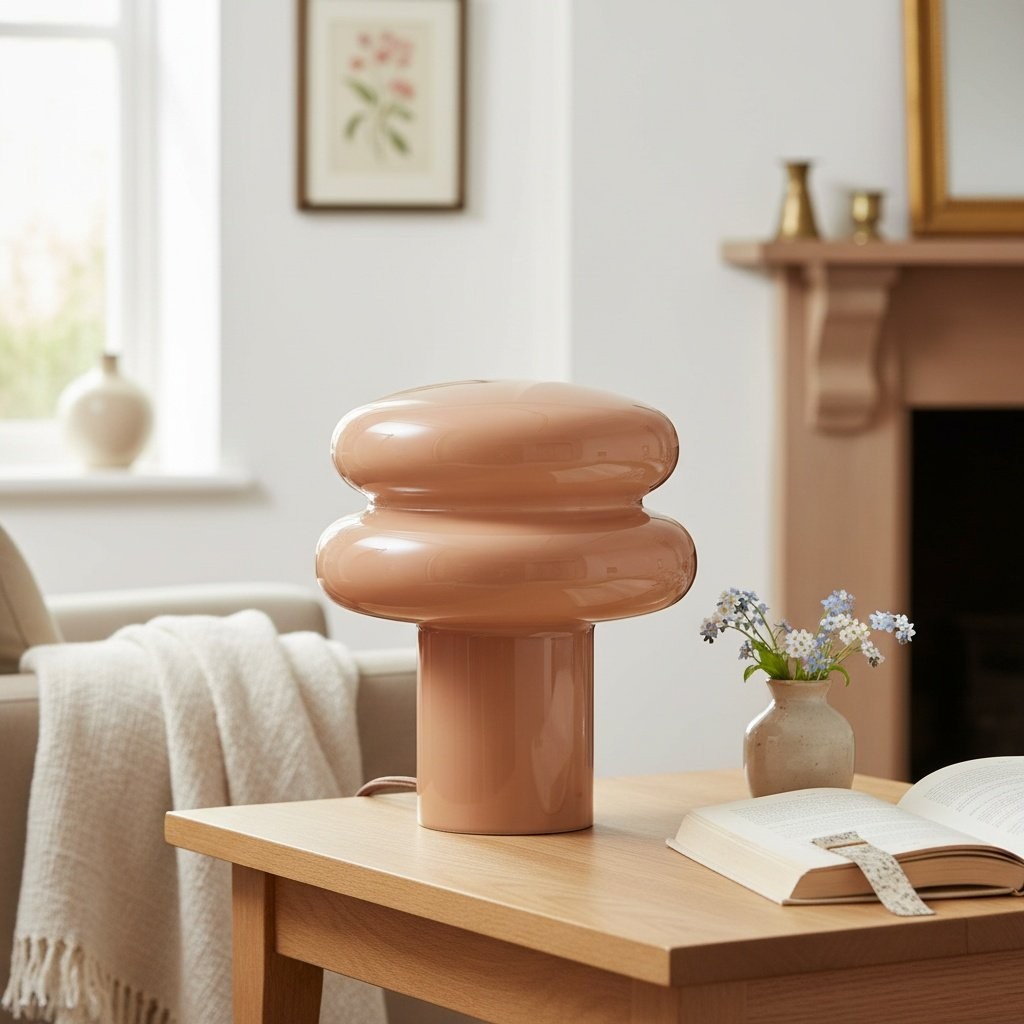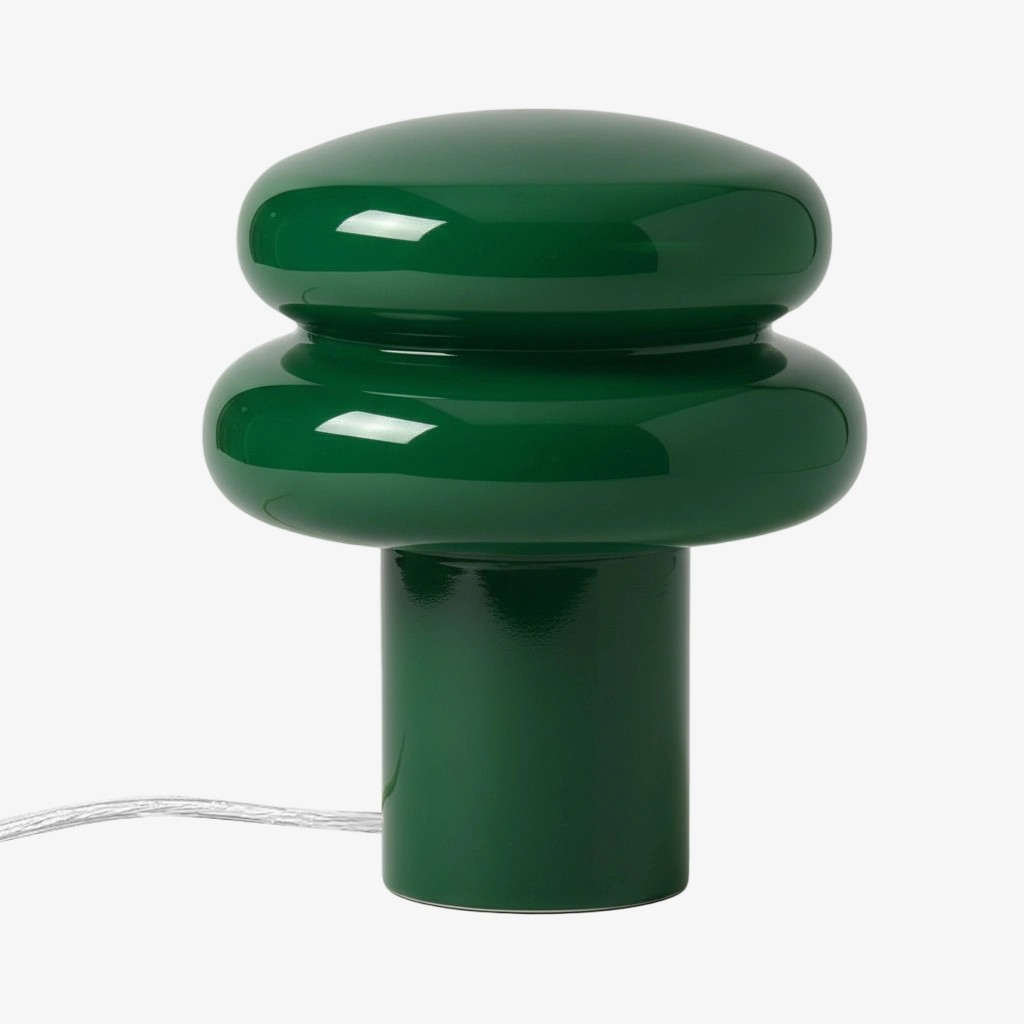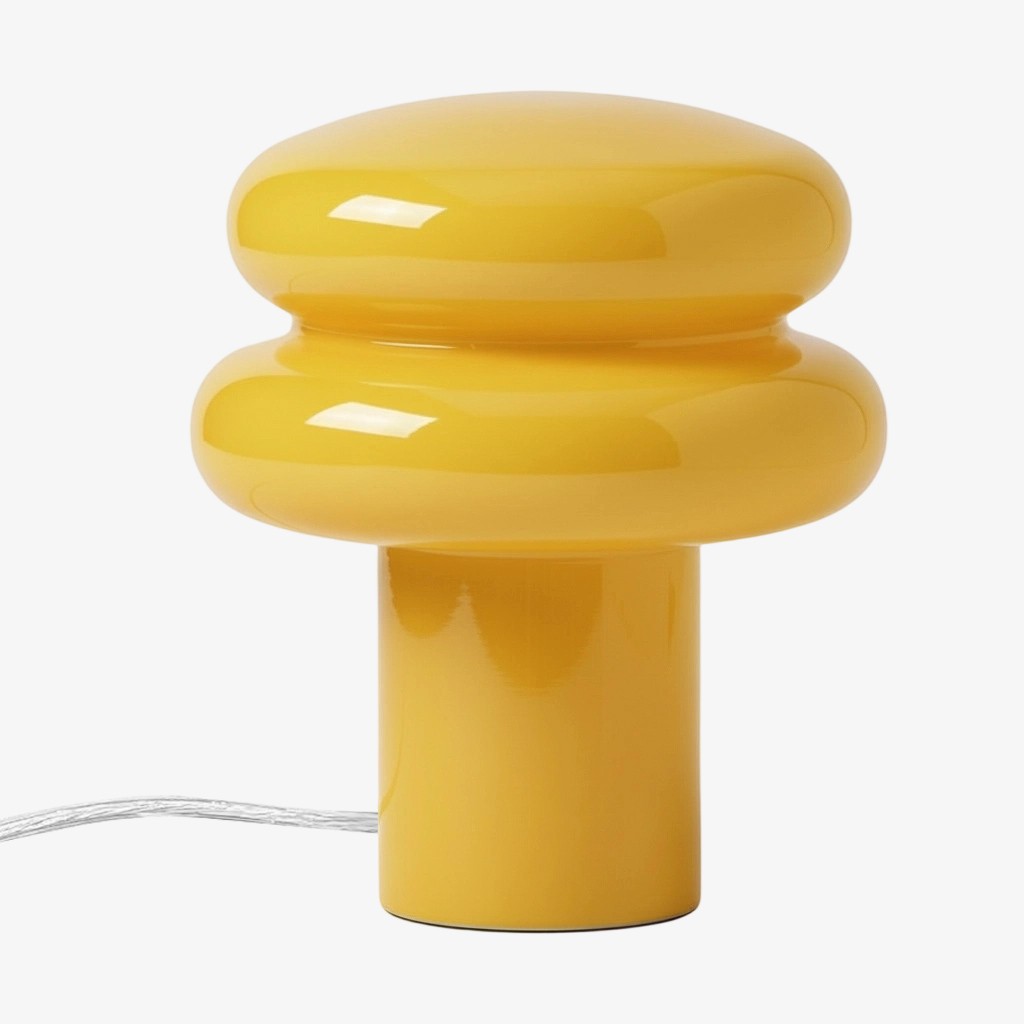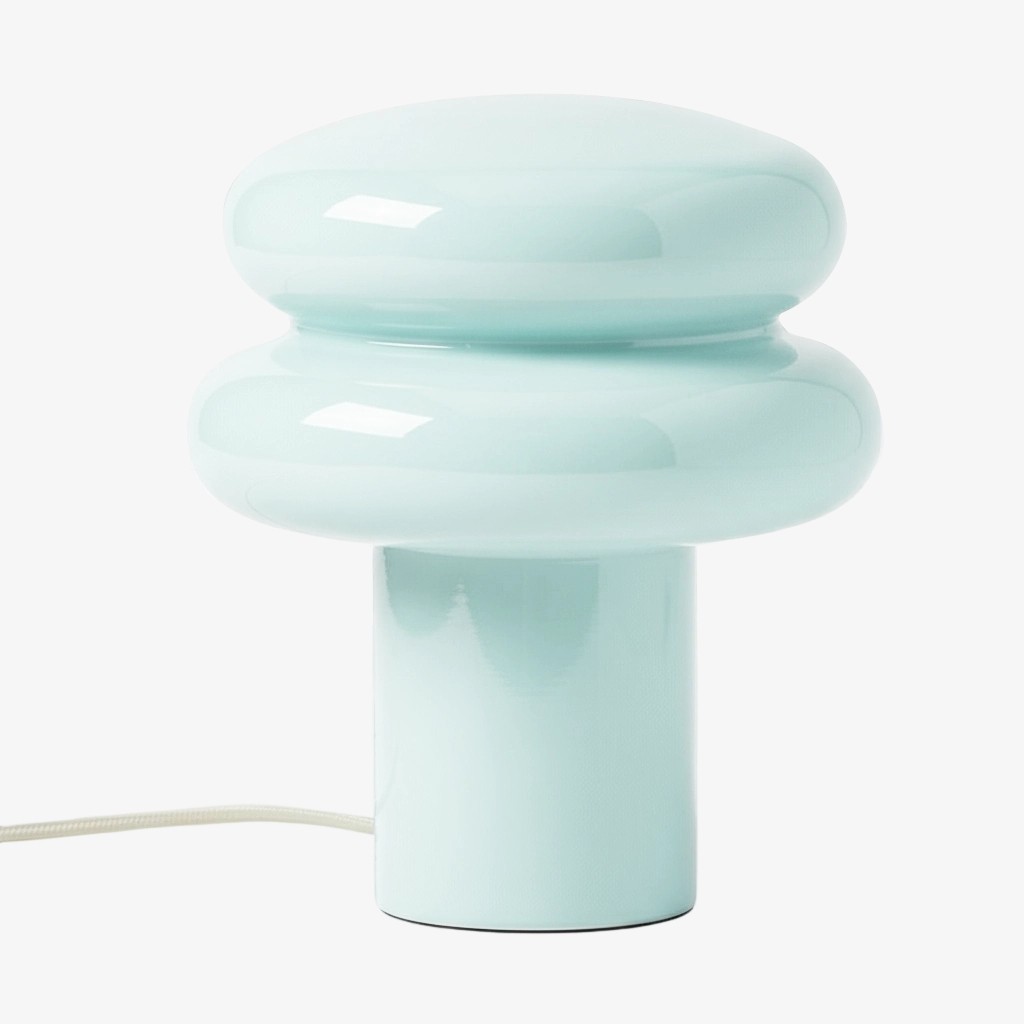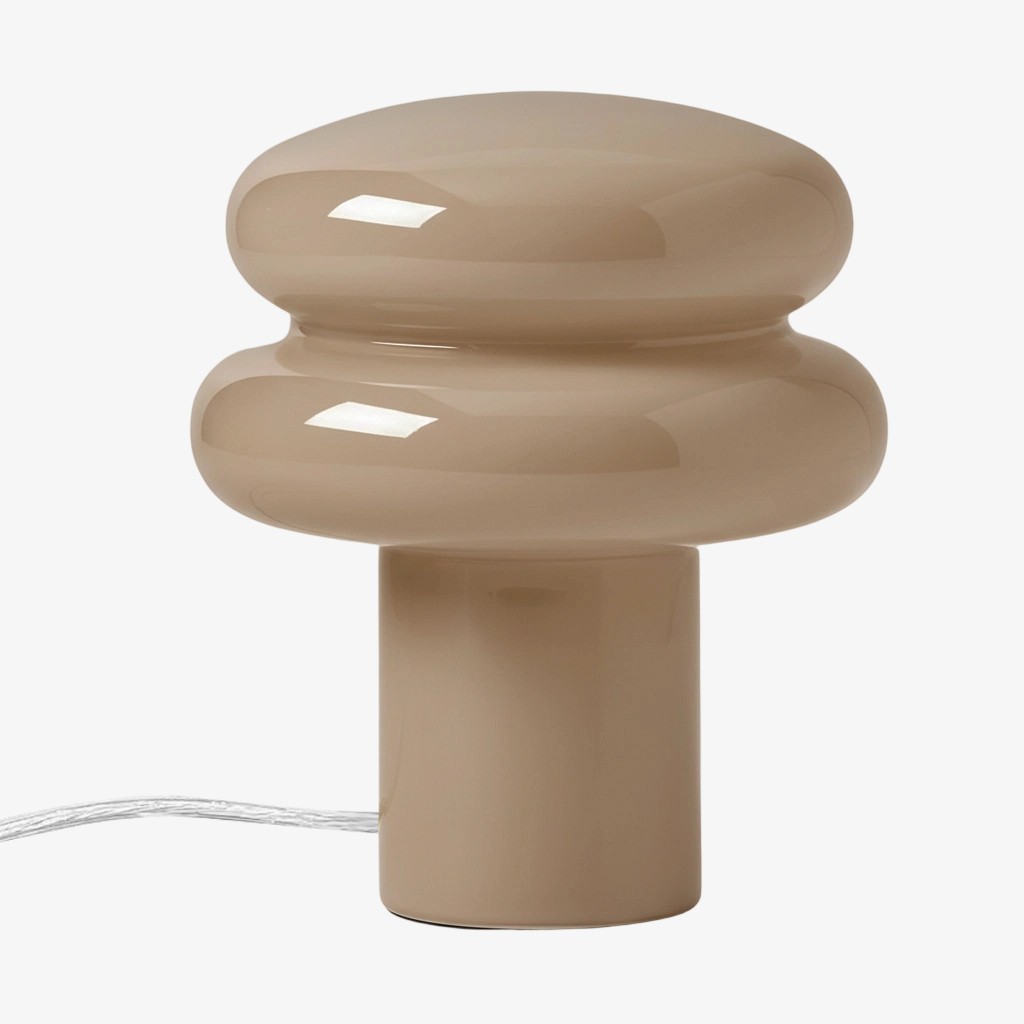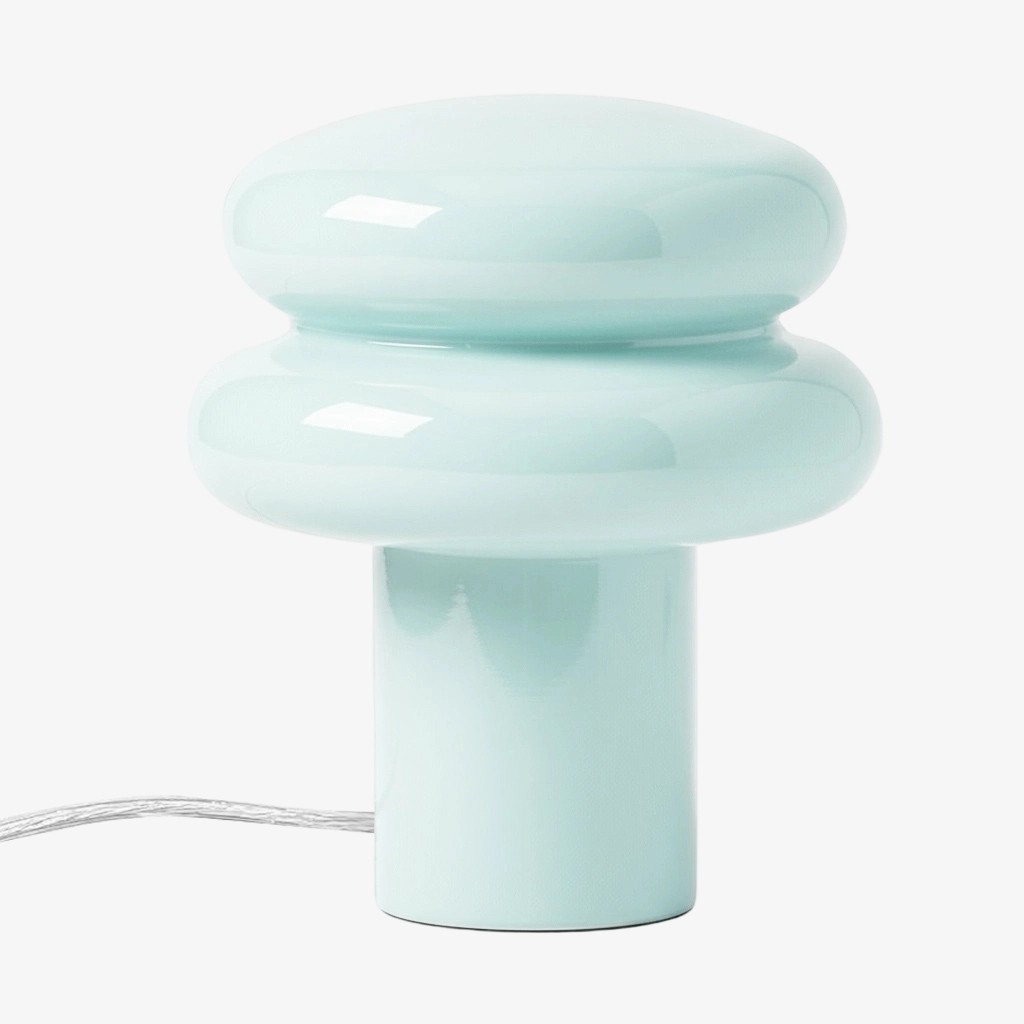
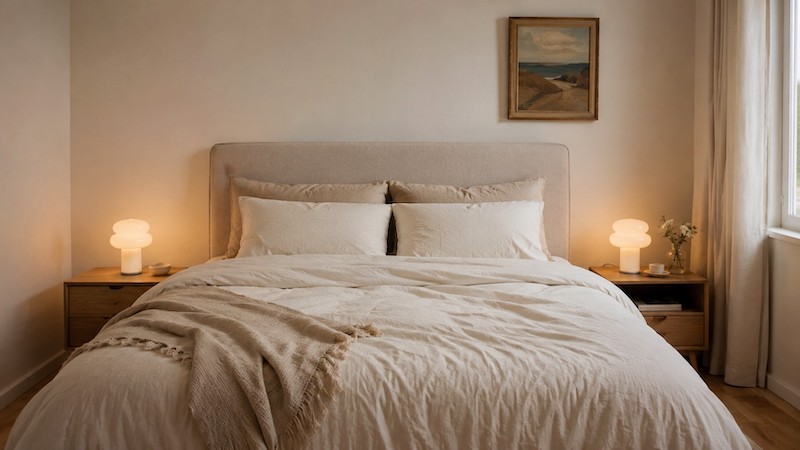
A pair can still be compact. The Orra Mushroom Glass Table Lamp is only 9 cm in diameter and is sold individually or as a set of two, so it supports either plan without forcing a wide traditional lampshade onto each table. The decision is less about design etiquette and more about sleepers, surfaces, outlets, and bedtime routines.
One Glance: One Lamp vs Two
| Decision factor | One lamp | Two lamps |
|---|---|---|
| Best for | One active side or one sleeper | Two active sides or two sleepers |
| Surface use | Lowest total footprint | Uses space on both nightstands |
| Control | One shared light point | Independent access on each side |
| Visual effect | Intentional asymmetry | Immediate repetition and symmetry |
| Outlet need | One convenient outlet | Two safe power positions |
| Budget | Lower initial cost | Higher cost but equal access |
The table gives a starting point, not a command. A single lamp can look finished when the rest of the room supports the asymmetry. Two lamps can still be wrong when one blocks a walkway, crowds a tiny table, or exists only to mirror the other side.
What One-Lamp Planning Actually Means
A one-lamp room should look intentional rather than unfinished. Put the lamp on the side that is regularly used, ideally where the switch is reachable from bed. Then balance the wider room through composition rather than duplication. Artwork can be centered over the bed, a curtain can add weight on the opposite wall, or the lamp color can be repeated in a cushion.
One lamp is especially sensible for a single sleeper, a guest room, a bed against a wall, or a studio where one side is a circulation path. It also works when the other side uses a wall-mounted reading light or when the ceiling light already provides the shared ambient layer.
Do not place the only lamp on the decorative side if the sleeper uses the opposite side. In a small room, the best position is the one that reduces reaching and keeps the path clear, even if it is not perfectly centered in photographs.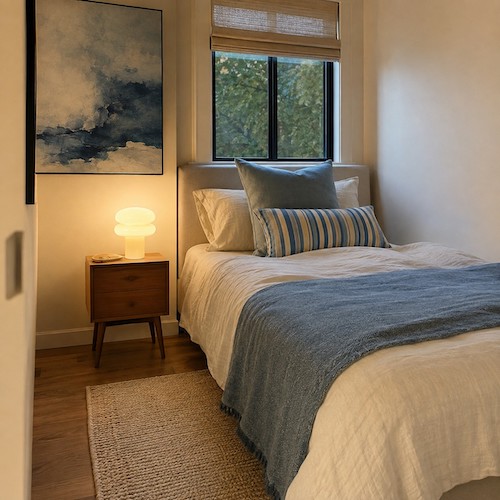
What a Pair Adds Beyond Symmetry
Two lamps give each sleeper independent access. One person can turn off their light without reaching across the bed, and both nightstands remain equally useful. A pair also creates a repeated glow that can make a small bedroom feel ordered, particularly when the bed is centered between two narrow tables.
The benefit depends on control. If both lamps plug into one remote outlet or one switch across the room, the pair may look balanced without improving the routine. Check that each person can reach the local switch and that both cords have safe routes.
Matching does not have to mean identical. Two lamps of similar scale and light character can work on different nightstands. If the room is already visually busy, identical compact lamps are the simpler choice because repetition reduces decision noise.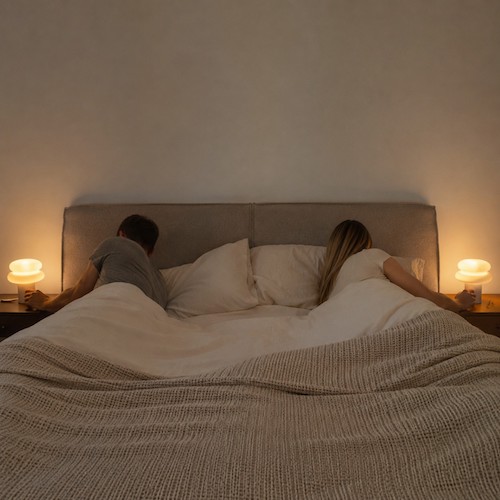
Choose One When Every Inch Matters
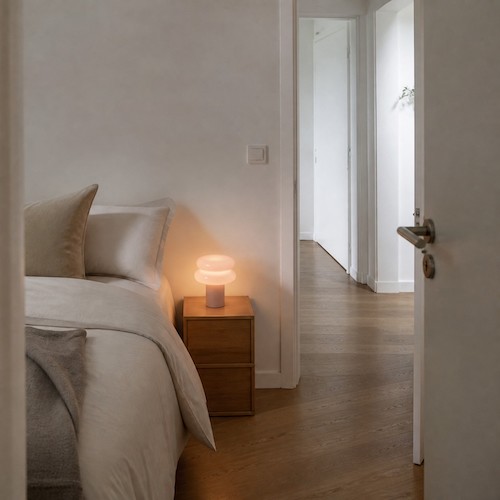
Select one lamp when the second nightstand would narrow the walkway, interfere with a door, or sit partly behind the bed. A clear route is more valuable than a symmetrical furniture set. One lamp also makes sense when only one side has an outlet and the alternative would require a loose extension cable across a traffic path.
- One person uses the room most of the time.
- Only one side has a stable nightstand or reachable outlet.
- The bed sits against a wall or close to a door.
- The main goal is ambient light rather than equal reading access.
- The budget is better spent on one useful lamp and a stronger shared room light.
Choose Two When Both Sides Are Active
Choose two when two sleepers use the room, both sides have nightstands, and each person regularly wants light before sleep or during the night. The improvement is practical: shorter reach, independent control, and equal surface visibility. Symmetry is a pleasant result, but it is not the only reason.
A pair can also help a centered bed feel anchored without a large overhead statement fixture. Keep the lamps compact if the tables are narrow. Article B1-1 shows how to compare a lamp footprint with a 24-inch nightstand, and the same method works on smaller tables: protect the daily items first, then allocate the lamp base.
For a guest room used by couples, two small ambient lamps are often more flexible than one large lamp. For a guest room with only one table, one lamp plus an accessible wall switch is more honest than squeezing a tiny table into a doorway.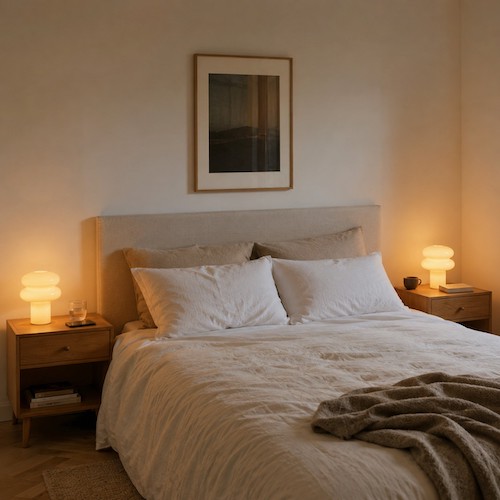
Keep a Small Bedroom From Feeling Over-Furnished
If two lamps make the room feel crowded, reduce the footprint before reducing function. A 9 cm lamp base uses far less surface than a wide ceramic base and traditional shade. Keep the nightstands visually light, avoid stacking multiple decorative objects around each lamp, and repeat only one or two colors across the bed.
Height also affects visual density. A 20 cm lamp creates a low line that can suit platform beds and compact furniture, but it should be treated as an ambient source unless the reading test says otherwise. Article B1-2 explains when that height is appropriate and when a separate adjustable reading light is needed.
If the nightstands do not match, use the lamps to create a common note. Identical color and shape can connect two different tables. Alternatively, choose related colors from the same lamp family so the pair feels coordinated without being rigid.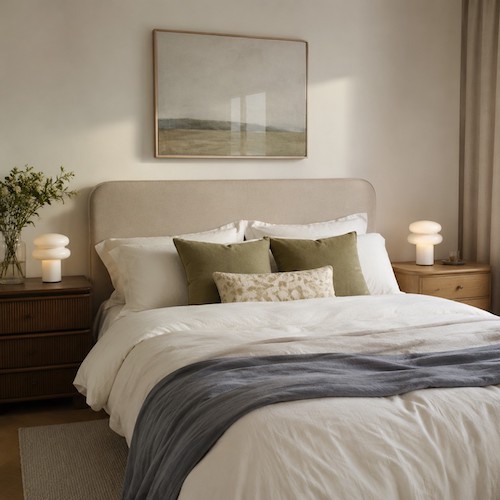
The Clear Recommendation
For one sleeper in a genuinely small bedroom, start with one lamp on the active side. The room gains useful light without sacrificing a walkway, surface, or outlet. Add a second later only if the second side develops a real purpose.
For two sleepers with two nightstands, choose two compact lamps. Independent access is worth more than the extra object count, and a small footprint prevents the pair from dominating the furniture. If reading is important, remember that two ambient lamps do not automatically become two reading lights; test height and light direction separately.
The broader small bedside table lamp guide in article B1 can help you confirm measurements, eye position, landing space, and bulb requirements before you finalize the quantity.
Frequently Asked Questions
Do I need two bedside lamps if I sleep alone?
No. One lamp on the active side is usually more practical. Add a second only if it improves a real use or the room composition.
Can a double bed look balanced with only one lamp?
Yes. Center the larger elements, repeat the lamp color elsewhere, and make the asymmetry look deliberate.
Do two bedside lamps have to match exactly?
No. Similar scale, color, or light character can connect them. Identical lamps are simply the easiest way to create calm repetition.
Is one larger lamp better than two small lamps?
It depends on access. One large lamp may give a stronger shared presence, while two small lamps serve both sides with less individual surface use.
What if only one side has a nightstand or outlet?
Use one lamp on that side. Avoid unsafe cable routes or squeezing furniture into a walkway only to create symmetry.